
Work stress, long hours, or those late-night shifts can quietly affect your fertility, and many women only notice these effects when they start trying to conceive. So even if you’re not actively planning for a baby, it’s still important to take steps to protect your reproductive system and keep your hormones balanced while juggling a busy work schedule.
What are the Causes of Infertility in Women
Several factors can contribute to infertility in women, especially when normal reproductive processes are disrupted.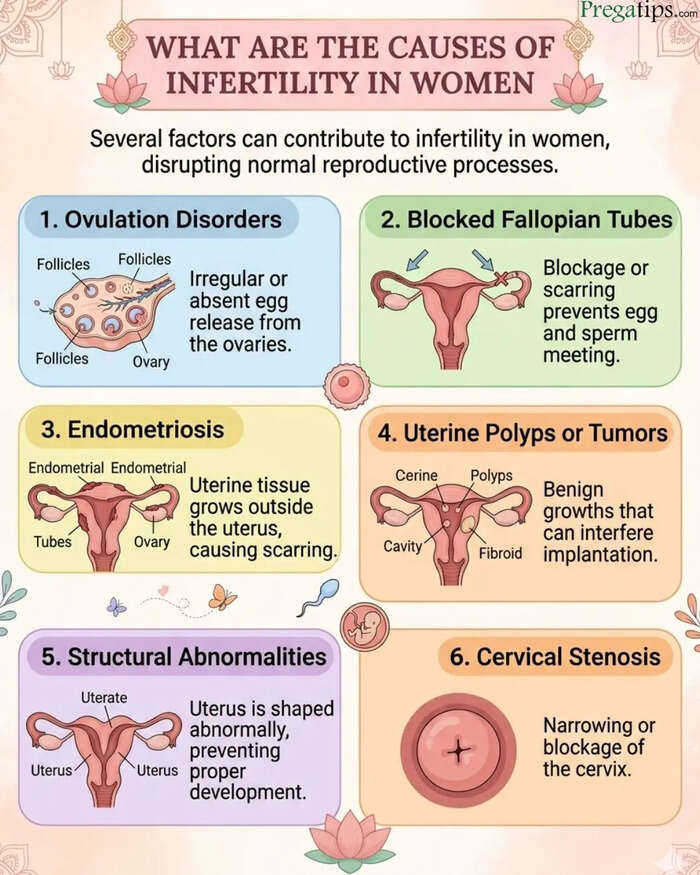
- Ovulation disorders: These are among the most common causes of female infertility. When ovulation is irregular or absent, the ovary does not release an egg, making pregnancy impossible. Conditions such as polycystic ovary syndrome (PCOS), hormonal imbalances related to FSH and LH due to hypothalamic dysfunction, premature ovarian failure, and high prolactin levels can all interfere with normal ovulation.
- Blocked or damaged fallopian tubes: If the tubes are blocked or scarred, sperm may not reach the egg, or the fertilised egg may not be able to reach the uterus. This can reduce the chance of pregnancy.
- Endometriosis: This condition occurs when tissue similar to the lining of the uterus grows outside the uterus. It can lead to scarring and inflammation that may block the fallopian tubes, prevent the sperm and egg from meeting, and also affect the uterine environment needed for implantation.
- Uterine and cervical problems: Issues such as benign polyps or tumours can block the fallopian tubes or interfere with implantation. Structural abnormalities present from birth, like an unusually shaped uterus, as well as conditions such as cervical stenosis, can also make it harder for pregnancy to occur.
How Work Influences Fertility in Women
Below are the main ways in which work life can increase the risk of infertility in women:- Higher mental stress levels: Work today often comes with tight deadlines, multitasking, and constant pressure to perform. Compared to earlier generations, many working women experience higher mental stress, which can interfere with the hormones that support regular ovulation and healthy menstrual cycles.
- Long working hours and overexertion: Many women tend to overwork, either due to professional demands or financial responsibilities. Continuous physical and mental strain can trigger hormonal changes, including lower oestrogen levels and higher androgens, which can affect egg development and overall fertility.
- Physically demanding jobs: Jobs that involve lifting, standing for long hours, or moving heavy objects add extra physical stress to the body. Women in such roles may have fewer antral follicles and lower egg counts, which can reduce the chances of conception.
- Night shifts and irregular schedules: Working night shifts or rotating shifts can disturb the body’s natural biological clock. This disruption affects sleep patterns and hormone release, which may lead to reduced egg quality, lower egg counts, and a higher risk of infertility over time.
- Added pressure on working mothers: For women who are already mothers, managing both career and family can increase emotional and physical stress. This ongoing pressure may contribute to secondary infertility, where conceiving a second child becomes more difficult than the first time.
- Lifestyle and nutrition challenges: Busy work schedules often leave little time for balanced meals and regular physical activity. This can lead to weight gain, obesity, and nutritional gaps, all of which can negatively affect ovulation and overall reproductive health.
- Cumulative impact on reproductive health: When stress, physical strain, irregular routines, and lifestyle factors come together, they can gradually reduce fertility. This is why working women today may face a higher risk of infertility compared to women from earlier generations.
Steps Working Women Can Take to Reduce Infertility Risk
Fortunately, simple changes can help manage fertility issues and improve your chances of conception:- Reduce physical and mental stress: Try to avoid physically exhausting tasks at work and manage daily pressures wherever possible.
- Take regular breaks and rest properly: Scheduling time off and getting enough sleep helps the body recover and supports overall reproductive health.
- Follow a balanced and nourishing diet: Eating regular, well-balanced meals with enough protein, fruits, vegetables, and healthy fats helps support hormone production and egg quality.
- Include gentle physical activity and relaxation practices: Activities like regular exercise, yoga, or meditation can improve blood circulation, reduce stress, and support hormonal balance.
- Maintain stable daily routines: Keeping sleep, meal times, and work schedules as consistent as possible helps regulate the body’s internal clock.
- Avoid overworking and burnout: Limiting excessive work hours and allowing time for recovery prevents long-term physical and mental strain that can affect fertility.
Infertility cases among working women continue to rise worldwide, which makes taking timely precautions increasingly important. Regular health checkups and fertility-related tests can help detect potential issues early and improve your chances of successful conception.
You’re not alone in your journey when trying to conceive. Join our supportive community to connect with others, share experiences, and find encouragement every step of the way.
FAQs on Can Work Stress Affect Fertility? What Working Women Should Know
- When to seek medical help for infertility?
You should consider seeking medical help if you are under 35 and haven’t conceived after a year of trying, or if you are 35 or older and haven’t conceived after six months. - How do irregular work schedules impact fertility?
Night shifts or rotating schedules can disrupt the body’s natural circadian rhythm, affecting menstrual cycles and ovulation.