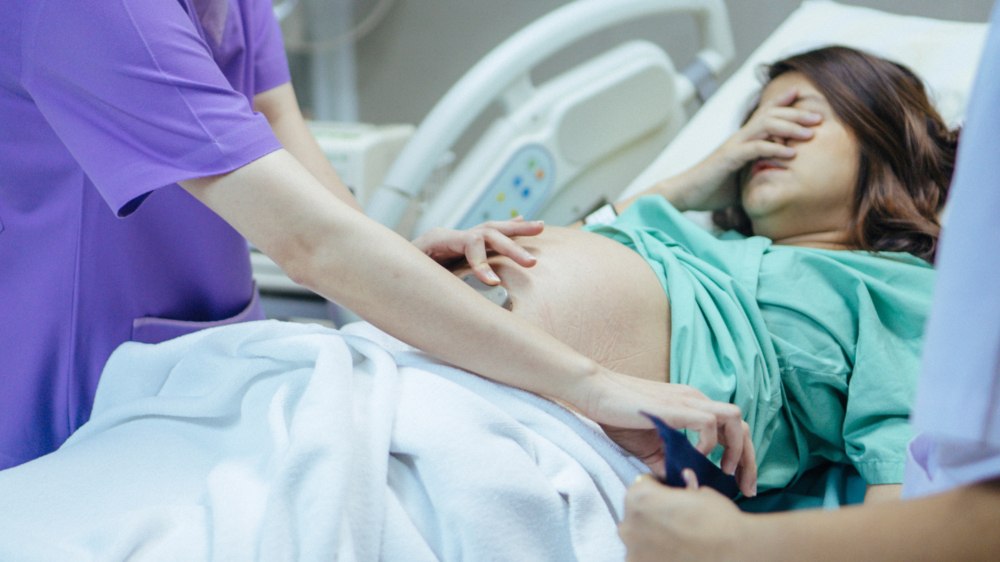
This blog will help you understand your feelings, manage them more effectively, and come to terms with your own unique birth experience.
Why Does an Unplanned C-Section Happen?
A C-section might become necessary if:- Your baby shows signs of distress
- Labour isn’t progressing as expected
- There’s an issue with the placenta (like placenta previa)
- You have high blood pressure or other complications
Why Do You Feel Upset After a C-Section?
It’s natural to feel a mix of emotions after an unexpected surgery. You might feel:- Disappointed or guilty for not having the “natural birth” you hoped for
- Anxious about recovery or bonding with your baby
- Disconnected from the birthing experience
- Fearful about complications or future pregnancies
How Can You Start Healing Emotionally?
Emotional recovery takes time, just as physical healing does. Here’s how you can begin:1. Acknowledge Your Feelings
It's alright to be sad about the delivery you didn't expect. You don't have to feel bad about being sad or angry. Expressing how you feel is the first step in managing your emotions.2. Talk to Someone You Trust
Share your thoughts with your partner, family, or friends. It can be helpful to state how you feel sometimes. If the sadness is too much or doesn't go away, you should talk to a counsellor.3. Write Down Your Birth Story
Writing about what happened to you helps you gain a deeper understanding of it. Writing helps you identify your strengths and reflect on how you have dealt with problems.4. Remember: You Didn’t Fail
You didn't fail at giving birth if you had a C-section; you did what was best for your baby's safety. It's not the way you gave birth that matters; it's the love and work you put into it.How Can You Bond With Your Baby After Surgery?
Some mothers are worried that a C-section would make it harder to bond. However, the manner of birth doesn't matter when it comes to emotional connection; it grows through love and presence.Try these gentle ways to bond:
- Hold your baby skin-to-skin as soon as possible
- Talk, hum, or sing to your baby while resting
- Let your partner help with small things so you can focus on recovery and bonding
- Spend quiet moments looking into your baby’s eyes; it strengthens attachment
What Can You Do When You Feel Overwhelmed?
It’s common to feel emotionally drained after an unplanned C-section. Here’s how to support yourself:- Rest as much as possible; fatigue can worsen emotional distress
- Accept help from family and friends with meals, chores, or baby care
- Eat nutritious foods to help your body heal
- Practice deep breathing or meditation to calm your mind
- Avoid comparing your story with others; every birth journey is unique
How Can Your Partner Support You?
Emotional recovery improves when your partner is involved. Encourage your partner to:- Listen without judgment
- Attend postpartum checkups with you
- Take on some baby duties so you can rest
- Reassure you that having a C-section doesn’t change your worth as a mother
How Long Does It Take to Feel “Normal” Again?
It can take 6 to 8 weeks for the body to heal after a C-section, but it may take longer for the mind to heal. Don't hurry the procedure. You are making progress every day by taking care of your body, your baby, and your mind.Be patient and kind to yourself. It's not about forgetting; it's about accepting your story and finding power in it.
What to Do Next: A Quick Checklist
- Accept your emotions, don’t bottle them up
- Ask for help when you need it
- Focus on small, positive steps daily
- Talk to your doctor about mental health support if needed
- Celebrate your courage, because bringing your baby safely into the world is the greatest achievement of all
FAQs on How To Cope With Unplanned C-Sections Emotionally
- Is it normal to feel sad after an unplanned C-section?
Yes, it’s completely normal. Many mothers experience feelings of sadness, guilt, or disappointment after a C-section. These emotions usually subside as you heal and adjust, but if they persist, consult your doctor. - Can I prevent emotional distress after a C-section?
You can't always stop it, but you can control it. Learn about all the different types of delivery and stay in touch with your doctor to prepare for the emotional aspects of the process. - When should I seek professional help for my emotions?
If you're persistently depressed, nervous, or having trouble bonding with your infant, talk to your doctor or a mental health expert. Seeking help early on is crucial.