In this article:
What Causes a False Pregnancy?
False pregnancy takes place when your body develops pregnancy-like symptoms without you actually carrying a baby. These symptoms are not imagined. Many real physical changes triggered by hormonal and psychological factors contribute to this situation.
Your missed periods, belly growth, nausea, breast tenderness, weight gain, and even the feeling of baby movement may trigger this. However, pregnancy tests and scans can help confirm that pregnancy hasn’t taken place.
What Makes a False Pregnancy Look Real?
Your body’s strong reaction to emotional and mental cues makes a false pregnancy look real. Prolonged stress or urge can influence prolactin, oestrogen, and progesterone by disrupting your brain’s communication with hormonal systems.
These hormones can create physical pregnancy symptoms even without carrying a baby.
Why Is False Pregnancy More Common After Fertility Struggles?
Emotional Aspects
Infertility can lead to stress that can feel like serious psychological issues, as suggested by medical studies. A strong desire for pregnancy can make your brain react by causing false pregnancy symptoms.Physical Factors
Unsuccessful pregnancy attempts might increase your body awareness, making pregnancy symptoms prominent. This can make hormonal fluctuations more intense with prominent symptoms.Hormonal Treatments & Cycles
Fertility treatments often involve hormone medicines. Even after stopping the treatment, your hormone levels might still change. This contributes to symptoms like bloating, breast tenderness, or late cycles. These changes can reinforce the belief that pregnancy has occurred.How Does the Mind-Body Connection Play a Role?
Your mental and emotional state strongly influences physical health. The brain controls the hypothalamus and pituitary gland, which regulate reproductive hormones.
Long-lasting emotional stress can disrupt your body’s mechanisms. It might cause late periods, skipped ovulation, and even make you feel like you are pregnant. This link between your mind and body shows that false pregnancy isn’t something you do purposely.
Who Is More Likely to Experience a False Pregnancy?
If you have experienced failed attempts at pregnancy, dealt with a past miscarriage, if treatments didn’t achieve success, or you felt social pressure to have a baby, you might be more at risk.
Cultural and family expectations about having children can create worry.
What Body Changes Could Happen?
With a false pregnancy, you could experience things such as:
- A missed period
- Swollen belly
- Feeling sick or vomiting
- Fatigue
- Enlarged breasts
- Leaking milk
- Changes in weight and hunger
How to Detect a False Pregnancy?
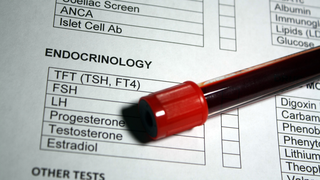
Medical examination helps doctors evaluate your condition. They are able to validate pregnancy through conducting tests, ultrasound scans, and checking the hormone levels in blood.
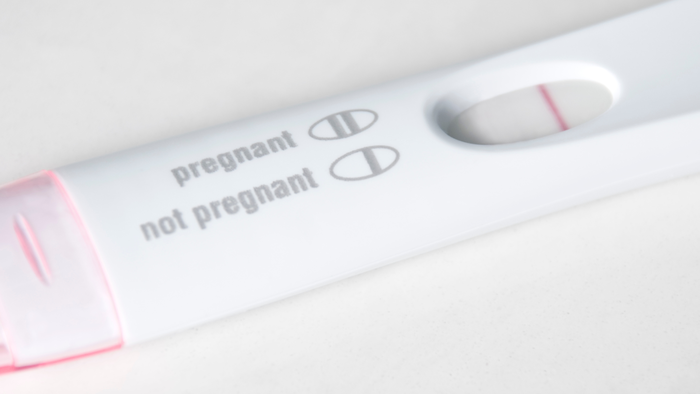
In the absence of pregnancy, doctors can test for hormonal or psychological issues.
How Does False Pregnancy Impact Feelings?
The emotional impact of this can feel unsettling. Learning these symptoms aren’t from actual pregnancy can create a sense of self-blame or depression. These feelings are valid and deserve care.
How Can Your Loved Ones Contribute?
Support from your loved ones helps you heal faster. Just having someone listen without judging can really take the edge off.
Your partner can play a vital role by just being there to listen, going with you to follow-ups, and offering you counselling suggestions.
What Are the Modes of Treatment?
Sometimes, doctors suggest ways to balance your hormones. Talking to a therapist can also help with the feelings that might be causing problems.
In many cases, symptoms resolve gradually once emotional balance improves and hormonal cycles stabilise.
What Can You Do If You Suspect False Pregnancy?
Seek Prompt Medical Evaluation
Getting a confirmation about the actual physical condition helps avoid prolonged uncertainty. Early diagnosis helps you become emotionally ready.Prioritise Mental Health Care
Counselling is not a sign of weakness. It provides tools to process fertility-related stress and rebuild emotional resilience.Reduce Social Pressure
Limiting conversations that increase stress and setting boundaries around fertility discussions can help with emotional healing.What Should You Do Next?
- Schedule an appointment to confirm your health status.
- Try to clear your doubts by following up accordingly.
- You must get help from professionals.
- Let yourself heal physically and emotionally.
Can False Pregnancy Be Prevented?
Prevention is not guaranteed, but emotional support lessens the risk. Managing stress about fertility, seeking early professional help, and clearing doubts with healthcare providers can lower vulnerability.
How Long Does Healing Take?
Healing times differ. Many feel better within weeks, but some need more time and attention. Recovery requires patience.
With patience, support, and professional guidance, recovery can be smoother and last longer.
False pregnancy is a possible scenario after long fertility issues because emotional stress, hormonal fluctuations, and a strong urge for pregnancy sync together. The symptoms may be emotionally unsettling, but the condition can be treated through good medical and emotional support. Knowing the reasons contributing to this helps you navigate this phase with clarity.
You’re not alone in your journey when trying to conceive. Join our supportive community to connect with others, share experiences, and find encouragement every step of the way.
FAQs on Why False Pregnancy Is More Common After Fertility Struggles
- Does false pregnancy become a psychological issue?
False pregnancy is a medical condition, not a mental illness. It is caused by hormonal and psychological factors. - Can false pregnancy happen more than once?
Yes, unresolved emotional stress, to be precise, may cause false pregnancy to recur. The chances get reduced with ongoing support. - Does false pregnancy affect future fertility?
No. It does not disrupt your reproductive system, but emotional support is important for better fertility health.