In this article:
What is Morning Sickness and Why Does It Happen?
Morning sickness is a common symptom of nausea and vomiting experienced during pregnancy, typically beginning between the 6th and 12th week. Although it is commonly referred to as morning sickness, it can occur at any time of day.
The main causes include:
- Hormonal alteration: An elevation of hormones such as human chorionic gonadotropin (hCG) and oestrogen.
- Heightened sensitivity: You are more sensitive to smell and taste.
- Stress and fatigue can both exacerbate nausea.
How Can Morning Sickness Affect Your Eye Health?
While morning sickness mainly affects digestion, it can indirectly impact your eyes in several ways:
- Dehydration: There is a loss of fluid as a result of repeated vomiting. Your eyes can become red, dry, or irritated when there is not enough water. Temporary effects of dehydration can also occur in your vision.
- Nutrient deficiency: It can prevent you from eating enough because you are frequently nauseated. A lack of essential nutrients, such as vitamins A, B12, and folate, can also affect your vision. These vitamins play a vital role in maintaining eye health and helping to prevent eye strain and fatigue.
- Electrolyte imbalance: Vomiting may reduce key minerals, such as potassium and magnesium, with effects including muscle weakness. This can occasionally affect the sensitive part of your eye and cause temporary eye pain or twitching.
- Headaches and eye strain: Morning sickness usually accompanies fatigue and headaches. People report having constant headaches, and it feels like you are straining and getting tired of your eyes, especially when you need to focus.
- Indirect effect on blood pressure: Extreme vomiting can lead to a reduction in blood pressure. With low blood pressure, the blood may be flowing too slowly, explaining why one feels lightheaded, has blurred vision, or sees black spots in their vision.
What Symptoms Should You Watch For?
In the case of morning sickness, it is recommended to monitor your vision. Other symptoms causing eye-related concerns will include:
- Dry, burning, or gritty eyes
- Frequent headaches with vision changes
- Blurred or hazy vision
- Twitching of eyelids or eye muscles
- Dizziness with vision blackouts
When Should You See a Doctor?
Seek medical help if you:
- Vomit more than 3–4 times a day and can’t keep fluids down.
- Notice sudden blurry vision or flashes of light in your vision.
- Feel extremely weak, dizzy, or faint.
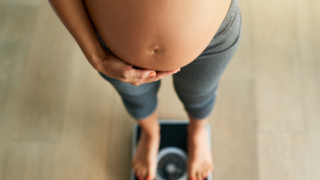
- Lose weight instead of gaining during pregnancy.
- See swelling along with nausea and vision changes (possible preeclampsia).
Practical Tips to Protect Eye Health During Morning Sickness
You can manage the situation to limit the extent of morning sickness, but this does not mean you can avoid it altogether. However, wearing a pair of eye protection helps safeguard your overall health as well as your eyes.
Try these steps:
- Stay hydrated – Sip small amounts of water or clear fluids throughout the day to maintain hydration.
- Eat nutrient-rich snacks – Foods like carrots, leafy greens, and nuts are beneficial for eye health.
- Rest your eyes – Have a break if you are feeling nauseous and tired.
- Use artificial tears – These are useful when you feel your eyes are dry due to dehydration.
- Ginger or lemon – Natural medicines will calm the feeling of nausea and allow you to eat.
- Prenatal vitamins – Continue taking them as prescribed even when intake of food is low.
What To Do Next: A Quick Checklist
- Note the frequency of vomiting
- Take fluids in small sips
- Monitor any changes in your vision, such as blurred vision or flashes of light.
- Neglecting your prenatal check-ups
- Discuss nausea with your doctor in case it is too much
Whether you’re pregnant, a new mom, or navigating postpartum, you don’t have to do it alone. Join our support group to connect, share, and support one another.
FAQs on How Morning Sickness May Indirectly Affect Eye Health in Pregnancy
- Can dehydration from morning sickness damage eyesight permanently?
No, mild dehydration typically causes temporary dehydration or blurred vision. Nevertheless, long-term dehydration may exacerbate its symptoms, underscoring the importance of drinking fluids frequently. - Should I see an eye doctor if I get blurry vision during morning sickness?
Yes, when blurred vision comes out of the blue, is severe, and accompanied by a feeling of dizziness, light-headedness, or swelling, then you should see your medical practitioner as soon as possible. - Can morning sickness affect my baby’s eye development?
Not directly. However, when you cannot eat or absorb sufficient nutrients due to morning sickness, it could continue to grow. This is why a healthy diet and vitamins are essential during pregnancy.