In this article:
What Makes Twin Pregnancies Different?
When you are pregnant with twins, it means your body is working extra hard to take care of the growing babies. Your body is the source of nutrients, blood flow, and oxygen for both babies. It also means that the chances of complications, such as premature birth, high blood pressure, or low birth weight, are higher compared to a single pregnancy.
Your doctors should closely monitor your progress to detect and manage any potential complications early.
Why Do Doctors Schedule More Frequent Checkups in Twin Pregnancies?
Generally, a single pregnancy requires you to visit the doctor once a month in the beginning and more frequently as you near the end. However, a twin pregnancy requires frequent visits right from the beginning.
- Growth monitoring: The growth of two babies can differ, so doctors want to make sure both are growing well.
- Placental health: A placenta can be shared (monochorionic) by twins or have separate ones (dichorionic). However, monitoring is necessary if the placenta is shared, as there can be an unequal distribution of nutrients.
- Amniotic fluid levels: The fluid levels can be too much or too little around any baby, which can be a problem.
- Early signs of complications: Preterm labour or preeclampsia (high blood pressure during pregnancy) can develop faster.
What Tests and Scans Should You Expect?
The doctors typically recommend the following tests for twin pregnancies.
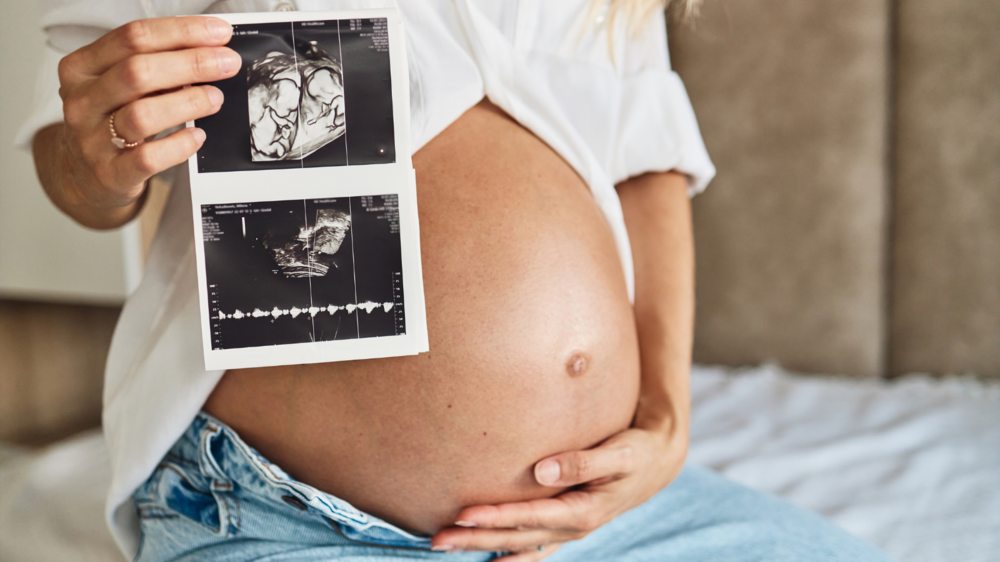
- Ultrasounds: You may need more scans to track the growth of both babies, which can be every 2-4 weeks.
- Blood pressure: The chances of high blood pressure are higher when you are carrying multiples.
- Urine tests: To check for the presence of protein, which can be a sign of preeclampsia.
- Cervical length scans: To check if you are at risk of preterm labour.
- Non-stress tests (NSTs): These tests monitor the heart’s response of your babies to movement.
What Are the Common Risks in Twin Pregnancies?
You may hear your doctor discuss risks more often in twin pregnancies. It will help you stay informed and also understand the reason for such close monitoring.
- Preterm birth: Most twins are born before 37 weeks, and the estimate is more than 50%.
- Low birth weight: Babies may weigh less than 2.5 kg because they share space and nutrients with their mother during pregnancy.
- Gestational diabetes: Your body’s insulin system may be under stress because of carrying twins.
- Preeclampsia: High blood pressure and swelling can develop more quickly in twin pregnancies.
- Twin-to-Twin Transfusion Syndrome (TTTS): In identical twins, the placenta is shared, so one baby may get more blood than the other.
How Can You Take Care of Yourself During a Twin Pregnancy?
You can also take some steps to support your twin pregnancy.
- Add more protein, iron, calcium, and folic acid to your diet. Think of adding extra servings of fruits, vegetables, and dairy to your meals.
- Stay hydrated to support the high blood volume.
- Rest often by taking breaks, and listen to your body.
- Track the movements of your babies daily when they are active.
- Attend all checkups, even if you feel fine.
- Visit your doctor regularly.
- Consume healthy meals that are rich in protein and iron.
- Drink at least 8–10 glasses of water throughout the day.
- Monitor the kicks of your baby after 28 weeks.
- Take rest and manage your stress levels.
When Should You Call Your Doctor Immediately?
Many twin pregnancies go smoothly, but do not ignore the following warning signs and consult your doctor immediately.
- Severe headaches or sudden swelling of the face, hands, or feet
- Blurred vision or dizziness
- Vaginal bleeding or fluid leakage
- Contractions before 37 weeks
- Sharp or persistent abdominal pain
- Sudden decrease in baby movements
How Does a Twin Pregnancy Affect Emotional and Social Well-being?
Pregnancy requires you to do well holistically, which means taking care of your mental health as well. It is also normal to feel overwhelmed with so many hospital visits, checkups, and the thought of handling two newborns.
You may experience anxiety about premature delivery, and also worry about the bills or long NICU stays. Although it is normal, the support of your partner, family, and friends can ease this stress.
Joining a support group for parents expecting multiples can make you feel less lonely.
A twin pregnancy means double the medical care and checkups to avoid any potential risks. You can improve your chances of a successful pregnancy outcome by undergoing regular scans and maintaining healthy habits. When you choose to stay informed, you can prepare your mind to embark on your journey with confidence.
Whether you’re pregnant, a new mom, or navigating postpartum, you don’t have to do it alone. Join our support group to connect, share, and support one another.
FAQs on Why Doctors Monitor Twin Pregnancies More Closely?
- Is a twin pregnancy always high-risk?
Many women deliver healthy twins without any major risks despite the higher risk associated with a twin pregnancy. Regular monitoring from your doctor makes a safe delivery possible. - Do I need to eat for three if I’m carrying twins?
You need extra calories in a twin pregnancy, but the quality of food is more crucial than quantity. Ensure you obtain sufficient protein, iron, and calcium from your meals. - Can I have a normal delivery with twins?
Vaginal delivery in case of a twin pregnancy is possible if both babies are in a head-down position without any complications. However, most twin deliveries are done via C-section to prevent risks. More C-sections are performed in cases of malpositions, such as breech presentation.