In this article:
What Is NFHS-6 And Why Does It Matter?
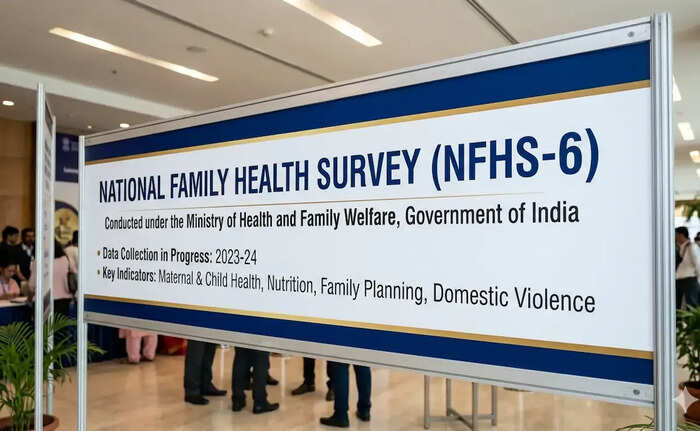
The NFHS-6 is India's largest and most comprehensive household health survey, covering nearly 6.79 lakh households across 715 districts. Conducted by the International Institute for Population Sciences (IIPS), Mumbai, on behalf of the Ministry of Health and Family Welfare, it tracks population, nutrition, fertility, and maternal health indicators over time. For pregnant women, it functions as a national report card on how well the country's healthcare system is supporting them.Antenatal Care Is Finally Reaching More Women
One of the most significant findings of NFHS-6 is the leap in antenatal care (ANC) coverage (ANC is the care a woman gets while pregnant). Overall ANC registration has risen to 95.9%, up from 92.6% in NFHS-5. More meaningfully, the proportion of mothers receiving care in the first trimester, the most critical window for foetal development, increased from 70% to 76.2%.This matters because, as per research published in the Journal of Maternal and Child Health, women who begin ANC in the first trimester experience significantly fewer complications, lower rates of low birth weight, and better overall delivery outcomes. The World Health Organization recommends a minimum of eight antenatal contacts starting in the first trimester to maximise maternal and foetal well-being.
The proportion of mothers completing at least four ANC visits has also increased from 58.5% to 65.2%, a positive trend, though it also means more than one in three women is still not meeting even the minimum recommended threshold.
What this means for you:
- Register your pregnancy with a healthcare provider as soon as possible, ideally before 12 weeks.
- Aim to complete all recommended visits, not just the first one.
- Do not wait until symptoms appear. Routine monitoring catches complications early.
Iron and Folic Acid: Progress, But Still A Concern
Perhaps the most telling indicator in NFHS-6 is the data on Iron Folic Acid (IFA) supplementation. The proportion of mothers consuming IFA for 100 days or more during pregnancy has increased from 44.1% to 54.9%. For 180 days or more, it rose from 26% to 37.8%.
While the direction is encouraging, the numbers still reveal that nearly half of pregnant women are not completing even 100 days of supplementation. According to NIH's StatPearls on antepartum care, iron and folic acid supplementation during pregnancy is essential for preventing maternal anaemia, supporting placental function, and reducing the risk of neural tube defects in the developing foetus. A full course of 180 days is recommended throughout the pregnancy for maximum benefit.
Breastfeeding: A Critical Win
One of the standout improvements in NFHS-6 is the rise in early breastfeeding initiation. The proportion of mothers beginning breastfeeding within one hour of birth has increased from 41.8% to 50.1%, an improvement of nearly 10 percentage points.Why it matters for you:
Breastfeeding has several key benefits.
- Early initiation supports immune protection, bonding, and healthy newborn weight.
- If you are delivering in a healthcare facility, discuss skin-to-skin contact and immediate breastfeeding with your care team as part of your birth plan.
FAQs on India's National Family Health Survey
- How Many Antenatal Care Visits Should I Have During Pregnancy?
The World Health Organization recommends a minimum of eight antenatal contacts, beginning in the first trimester. NFHS-6 data shows that fewer than two in three Indian women currently complete even four visits, making it important to plan your appointments early and keep to the schedule your doctor recommends. - Is It Safe To Have IFA Supplements Throughout The Entire Pregnancy?
Yes. Iron Folic Acid supplementation is recommended for the full duration of pregnancy, ideally for at least 180 days. NFHS-6 data show that only 37.8% of Indian mothers are currently completing this course, despite evidence linking consistent supplementation with reduced anaemia and better foetal growth outcomes.