In this article:
By 12 DPO, you may notice subtle physical changes that suggest pregnancy is underway, though it’s essential to be aware that some of these symptoms can also occur before your period starts.
This might cause anxiety and make the waiting period feel even longer. Try to notice the signs early on, it can help you feel more confident as you begin your pregnancy journey.
All You Must Know About DPO
DPO stands for "days past ovulation," a term used to measure how many days have passed since ovulation in your menstrual cycle. Ovulation occurs around the middle of your cycle when an egg is released from your ovary, typically around day 14 of a 28-day cycle, but this can vary. After ovulation, the luteal phase begins and lasts for about 12 to 14 days.If pregnancy occurs, the fertilised egg will usually implant in the uterine lining around 6 to 12 days after ovulation. During this time, the body starts producing hormones like progesterone and human chorionic gonadotropin (hCG), which are essential for maintaining a pregnancy. These hormonal shifts can result in early pregnancy symptoms, some of which may begin to show as early as 12 DPO.
However, these symptoms can be mild and similar to premenstrual symptoms, which is why tracking your cycle and knowing when you are 12 DPO is essential for recognising what’s happening in your body. Additionally, if you have unusual symptoms or are unsure, it’s always a good idea to consult a healthcare professional for further clarification.
12 DPO Symptoms Indicating Pregnancy
At 12 DPO, your body may begin to show signs of early pregnancy. While these symptoms can overlap with those of PMS, they may provide useful clues. Here are some of the most common signs to look out for at this stage:Implantation bleeding
Mild cramping
Breast changes
Fatigue
Nausea or queasiness
Bloating
Increased urination
Heightened sense of smell
Food cravings or aversions
Headaches
Changes in vaginal discharge
Backache
Mood swings
Differentiating DPO Symptoms from PMS
While the symptoms of early pregnancy and PMS can overlap, there are key differences that can help you tell them apart:Similarities between early pregnancy symptoms and premenstrual syndrome (PMS)
Key differences to help identify pregnancy
When to Take a Pregnancy Test
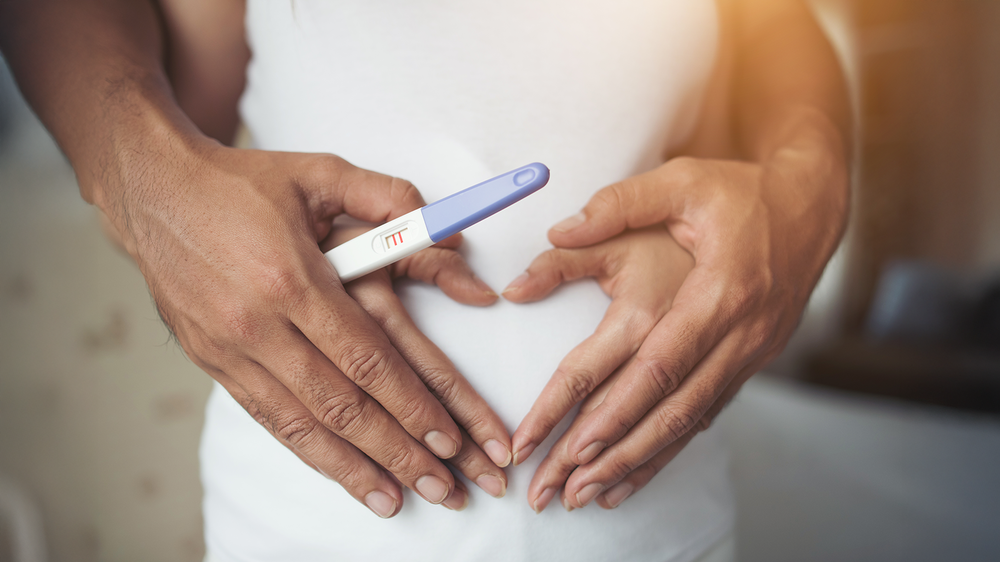
It’s essential to time your pregnancy test correctly for the most accurate results. By 12 DPO, your body may be producing detectable levels of hCG, the hormone that pregnancy tests measure. However, hCG levels can vary, and testing too early might lead to a false negative.For the most accurate result, it is generally recommended to wait until the first day after your missed period. If you test at 12 DPO and receive a negative result, you may still be pregnant, as hCG levels might not yet be high enough for detection. Retesting a few days later may provide more clarity.
It’s also helpful to use your first-morning urine when testing, as it is more concentrated and may increase the test's sensitivity. If you continue to receive negative results but your period doesn't start, consider consulting your doctor for further guidance.
Lifestyle Factors That May Affect DPO Symptoms
Several lifestyle factors can impact the severity and presence of DPO symptoms. Being aware of these factors can help you interpret your symptoms more accurately:- Diet: A balanced diet that includes a variety of nutrients can support hormonal balance and reduce the intensity of symptoms. Poor nutrition or irregular eating patterns can exacerbate fatigue, nausea, and cravings.
- Stress: High levels of stress may worsen symptoms and make it more difficult to differentiate between PMS and early pregnancy. Practising stress-reducing activities, such as yoga, meditation, or deep breathing, may help.
- Sleep: Adequate sleep is essential for overall health and can help alleviate fatigue, mood swings, and headaches. Disrupted sleep patterns can make these symptoms worse.
- Exercise: Moderate, regular exercise can support hormonal balance and improve mood. However, excessive exercise can interfere with your menstrual cycle and affect ovulation.
- Hydration: Staying hydrated is essential for reducing bloating and supporting overall well-being. Dehydration can make symptoms worse, especially fatigue and headaches.
When to Seek Medical Advice
Although many DPO symptoms are moderate and self-limiting, other circumstances could call for quick medical intervention. Should you suffer:- Severe abdominal or pelvic pain is uncommon in early pregnancy and may indicate an underlying health issue that needs medical attention.
- Bleeding that is heavier than a normal period or accompanied by big clots should be assessed.
- Persistent vomiting and nausea can cause dehydration and require medical assistance.
- Fever, chills, or foul-smelling discharge are among the symptoms that could suggest an infection and call for immediate evaluation.
- Seek advice if you have unusual symptoms or ones that cause great suffering.
- Talk to your doctor about any new symptoms if you have a chronic health condition or are on medication to guarantee safe control.
Though these symptoms sometimes coincide with PMS, knowing DPO symptoms can provide insightful hints regarding early pregnancy. Your body and the timing and type of symptoms should be closely monitored to help you read these changes more precisely. Underlying health issues, lifestyle choices, and stress can all affect symptom patterns. For the most dependable verification, think about doing a pregnancy test following a missed period and ask your doctor for tailored guidance. When necessary, trust your gut and look for help.
FAQs on DPO Symptoms: Signs You Could Be Pregnant
- When is the best time to take a pregnancy test after ovulation?
Usually, about 14 days beyond ovulation, after you have missed your period, is the most precise time to take a pregnancy test. If hCG levels are still low, testing earlier during the time at 12 DPO could lead to a false negative. Re-testing after a few days could offer a clearer response if you get a negative result, but your period does not come. - Can lifestyle factors affect my DPO symptoms?
Indeed, the severity and presence of DPO symptoms can be affected by lifestyle elements including nutrition, stress, sleep, exercise, and hydration. Stress management, a healthy diet, and rest prioritisation might help reduce symptoms. Should you be worried, speak with your medical professional for tailored advice.