In this article:
Tips For Getting Pregnant Fast
Whether you're monitoring your ovulation or making that all-important preconception checkup, these actions might help you become pregnant faster.Track your ovulation
It's crucial to know when you'll ovulate and, therefore, when you're most fertile if you want to become pregnant fast. Although it's not always easy to determine the precise moment of ovulation, there are a few techniques to try:Learn when ovulation occurs
When attempting to conceive, it's a good idea to understand how and when ovulation happens.Use an ovulation calculator
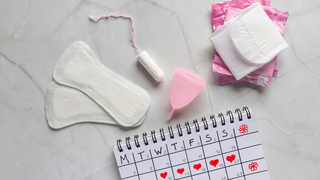
While you have an important objective, you use a calendar to keep track of what you need to accomplish—so it makes sense to do the same while planning one of your life's largest undertakings.Recognise ovulation symptoms
App
An app can crunch the statistics and offer you probabilities, but one of the easiest ways to become pregnant quicker is to listen to your body and watch for signs and symptoms of ovulation.Ovulation Kit
An ovulation kit might help you increase your chances of conception.Track your basal body temperature: Another method for determining ovulation is to track your basal body temperature (BBT). BBT is the lowest natural, non-pathologic body temperature recorded after a period of rest.
Stop using birth control
It may sound obvious, but if you want to get pregnant quickly, you must discontinue your method of birth control. Fertility may not return immediately, depending on the form used. With barrier techniques like condoms, increasing your chances of becoming pregnant is as simple as keeping them in your bedside drawer. When you have a non-hormonal intrauterine device (IUD) removed, your body is instantly prepared for conception.However, specialists note that for those who have been taking hormonal birth control (the pill or vaginal rings), it might take a few weeks for their bodies to balance and ovulate.
Have strategic sex
Getting pregnant isn't always straightforward and there are certain things to bear in mind when it comes to having a baby:- Do not "overdo" it
- Don't bother about precise sex positions
- Keep the pleasure (and closeness) alive
- Self-care might help you become pregnant faster
Maintain a healthy lifestyle
It's no secret that your body undergoes significant changes and difficulties throughout pregnancy and delivery, so begin your pregnancy journey in top form by taking crucial measures towards maintaining a healthy lifestyle.- Get some workout
- Aim for a healthy body weight
- Maintain a nutritious diet
- Begin taking prenatal vitamins
- Monitor your caffeine intake
- Reduce alcohol consumption
- Do not smoke
- Reduce outside stress
- Avoid heat to enhance sperm count
Schedule a preconception appointment
Scheduling a preconception check-up is a vital step in your fertility journey. Your ob-gyn may discuss your general health and recommend any lifestyle modifications to help you become pregnant quickly. Make sure to explain any pre-existing diseases that may influence your pregnancy, as well as any current drugs you are taking. You may also investigate your family history to determine if genetic screening is appropriate.It's also a good idea to visit your dentist while you're trying to conceive
Gum disease during pregnancy has been related to low birth weight and preterm delivery. Furthermore, pregnancy is particularly hard on teeth and gums.How Long Does It Take To Get Pregnant?
The majority of healthy couples who engage in regular, unprotected intercourse get pregnant within a year. One researcher discovered that 38 per cent conceived after one month, 68 per cent after three months, 81 per cent after six months, and 92 per cent after twelve months. When To Seek Fertility Support
Experts suggest that if you are under 35, you consider fertility treatment after a year of attempting to conceive. If you are between the ages of 35 and 40 and haven't conceived in six months, see your doctor. If you are over 40, please contact your provider for personalised guidance.The sooner you consult a doctor, the more possible you will get pregnant quickly. The idea is not to blame yourself if you don't get pregnant. According to research, one in every eight couples struggles to conceive or maintain a pregnancy. Having difficulties conceiving might be due to a variety of circumstances. If attempting to conceive is causing emotional distress, get help from a trusted friend, family member, or therapist. Consider attending an in-person or online support group to discuss your thoughts with people who are going through similar experiences.
You want to get pregnant quickly, but this may need time and patience. Some couples achieve quick success, while others will have a lengthy struggle ahead. The most essential thing you can do right now is to take charge of your physical and emotional health, so you can feel powerful as you begin on this journey. Be proactive now, and then take one step at a time together.
FAQs On How To Get Pregnant Fast: Tips For Trying To Conceive
- How can I ensure that my sperm meets my egg?
To ensure fertilisation, intercourse should take place no more than five days before ovulation. You may increase your chances of fertilisation by monitoring your cycle and having intercourse as near to ovulation as feasible. - When is the ideal time to get pregnant?
The probability of pregnancy is greatest during ovulation, which usually occurs between days 10 and 14. Intermenstrual bleeding may happen in between periods.