In this article:
Why is Baby-Proofing Important
Baby-proofing is all about creating a safe space where your baby can explore without getting hurt. Babies love to touch, grab, and put things in their mouths because that is how they learn about the world.But everyday household items can be risky for them, like sharp corners or loose cords. Preparing your home is really important to avoid mishaps. Imagine carrying your newborn and tripping on a slippery floor or bumping into a wobbly table. That's why baby-proofing early is such a big help. It takes the stress off your shoulders and lets you enjoy those sweet first months with your baby without worrying about accidents.
When to Start Baby-Proofing
You can start baby-proofing while you’re still expecting or right after your baby is born. The main thing is to have the basics done before your baby starts moving on their own, which usually happens around 4 to 6 months. Every baby grows at a different speed, though. Some may roll or scoot earlier, so it helps to be ready in advance.What Are the Best Baby Proofing Tips for Your Home
The easiest way to find hidden risks is to get down on the floor and see your home the way your baby will. From that angle, you will notice things you normally miss, like tiny objects on the floor or low shelves they can grab. Go room by room so it does not feel like too much at once.Here is a simple guide to baby-proofing during pregnancy before your little one comes home:
Preparing for Your Newborn’s Arrival
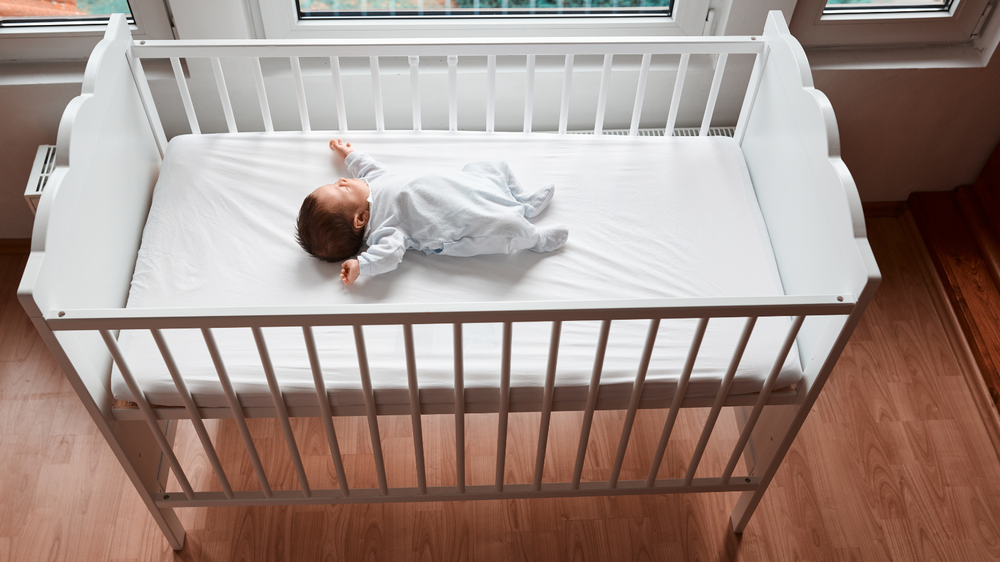
- Check the crib: Make sure the crib meets today’s safety standards. Slats should be no more than 6 cm apart, and the mattress should fit tightly with no gaps. Avoid using old cribs because they may have unsafe features. Keep pillows, blankets, and toys out of the crib to reduce suffocation risk.
- Follow safe sleep practices: Put your baby to sleep on their back in a crib or bassinet with only a fitted sheet. Keep the crib away from windows, cords, or decorations that could fall. Have your baby sleep in your room but not in your bed.
- Secure stairways: Check that all stairs have sturdy handrails. Hold on to them when carrying your baby to prevent falls.
- Check air quality: Make sure your home is smoke-free to protect your baby’s lungs. Do not allow anyone to smoke in or around your home. Politely refuse if someone asks to smoke even in your garden or terrace, as secondhand smoke can be harmful to your baby.
Baby-Proofing the Nursery
- Safe crib setup: Choose a crib with no fancy cutouts that could trap your baby’s head or arms. The surface should be smooth with no rough edges or peeling paint.
- Safe changing area: Baby-proofing during pregnancy includes setting up a secure changing spot. If you use a bed, place a firm changing pad or thick towel to keep your baby comfortable. Keep one hand on your baby at all times and never step away, even for a moment.
- Position furniture safely: Keep the crib and other furniture away from windows, heaters, lamps, or cords to avoid accidents.
Baby-Proofing the Kitchen
- Store hazardous items: Keep detergents, cleaning products, and sharp tools like knives or graters in high or locked cabinets.
- Manage appliances: Unplug appliances like toasters or coffeemakers when not in use and keep cords out of reach.
- Avoid tablecloths: Skip tablecloths or mats because babies can tug on them and pull down hot food, heavy dishes, or sharp objects.
Baby-Proofing the Bathroom
- Control water temperature: Keep your geyser or electric water heater at a safe temperature so your baby doesn’t get burnt.
- Store dangerous items: Keep medicines, cosmetics, and sharp tools like razors in locked cabinets.
- Unplug appliances: After using hairdryers, straighteners, or electric kettles, put them away immediately. Keep cords out of reach to prevent burns or accidents.
Whether you’re pregnant, a new mom, or navigating postpartum, you don’t have to do it alone. Join our support group to connect, share, and support one another.
FAQs on Pregnancy and Home Safety: Baby-Proofing Before Birth
- Is it safe to do baby-proofing tasks while pregnant?
Yes, most light baby proofing tasks are safe during pregnancy, like covering outlets or securing cabinets. - What kind of locks are best for cabinets and drawers when baby-proofing?
You can use magnetic locks or simple latch locks that stick on with strong tape. Both work well, and you can find them easily online.