In this article:
When babies spend time watching screens rather than faces, they miss valuable opportunities to learn language, recognise emotions, and form social bonds. Screen-free time helps the brain and body connect through touch, sight, and sound, naturally shaping early development.
How Screen Time Affects Baby Development
It may not seem like a big deal for babies to spend too much time in front of screens, but studies show that it can have minor effects that last a long time. Here's what happens when you spend more time in front of a screen than in the real world:
- Delayed speech development: Babies learn to talk by watching lips, faces, and gestures. Passively watching screens makes these interactions less likely.
- Shortened attention span: Babies' brains are still growing, so quickly changing pictures overstimulate them and make it harder for them to focus later in life.
- Insufficient sleep: Screens emit blue light that suppresses melatonin production, disrupting sleep patterns.
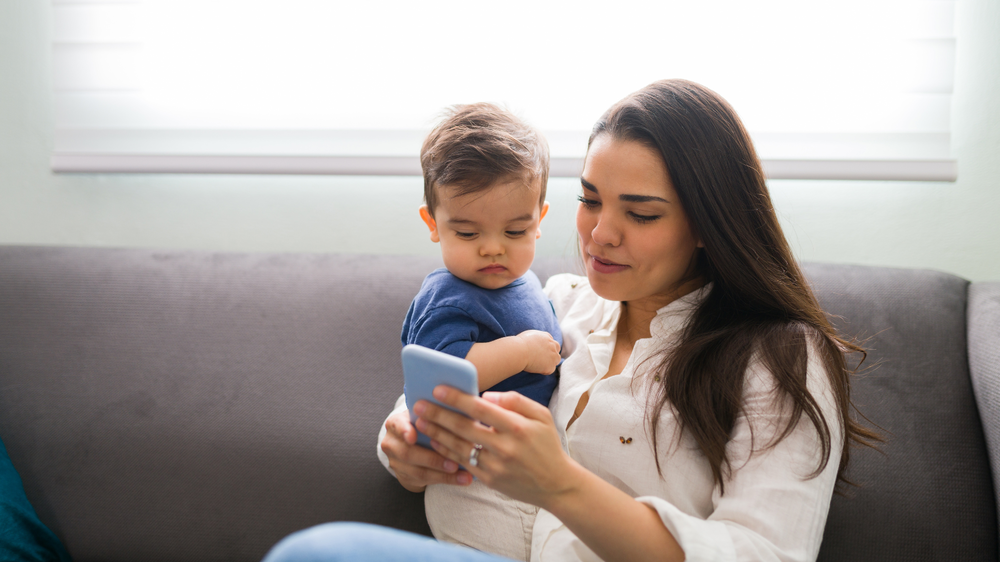
- Reduced parent-baby bonding: When parents are distracted by screens, babies receive fewer moments of eye contact and response, key ingredients for trust and emotional security.
The effects of baby screen time are not immediate, but over time, they can impact emotional stability, attention control, and learning readiness.
Creating a Family Digital Detox Routine
A digital detox for families is not about obliterating technology. It’s about creating mindful habits that give your baby a healthy, balanced start.
Here’s how you can make it work for everyone:
- Start with Awareness: Observe how often screens are used at home phones during feeds, TV in the background, or social media scrolling while holding the baby. Recognising patterns helps you identify what needs changing.
- Keep Screens Out of Baby Zones: Make feeding, sleeping, and play areas completely screen-free. Instead of videos, use songs, storytelling, or conversation. Babies love the sound of their parents’ voices more than any digital sound.
- Practise Screen-Free Feeding and Playtime: During feeding or play, keep your phone out of reach. Babies learn to trust and feel emotionally safe through your facial expressions and tone of voice. Each glance, smile, and word helps them feel secure.
- Replace Screens with Sensory Play: Simple, hands-on play builds curiosity and motor skills. Use rattles, soft toys, mirrors, or household items like fabric and spoons to engage their senses. Real textures and sounds teach far more than screens ever can.
- Schedule Family Screen-Free Hours: Choose daily times when all family members keep devices away, such as during meals or before bedtime. These routines model mindful parenting and show your baby that presence matters more than screens.
- Make Mornings and Evenings Screen-Free: Avoid screens for the first and last hour of the day. Early mornings and bedtimes are key bonding moments, perfect for cuddles, singing, or reading aloud.
- Lead by Example: Babies mirror their parents’ behaviour. If you often scroll on your phone, they notice. Keeping devices aside when spending time with your baby teaches them early lessons in attention and connection.
- Stay in Touch Without Screens: If your family lives far away, use short, live video calls instead of recorded videos. Wave, sing, or smile to keep the calls interesting and make the connection real and emotional.
Benefits of a Digital Detox for Families
Reducing screen time for infants doesn’t just protect babies. A digital detox brings:
- Better sleep routines: Less exposure to artificial light means deeper, longer rest for both baby and parents.
- More eye contact and conversation strengthen social and emotional intelligence.
- Healthier posture and movement: Babies explore freely instead of sitting passively in front of screens.
- Improved parent mindfulness: Parents become more aware and present in everyday interactions.
Families who consciously reduce screen use often report stronger bonds, calmer homes, and happier children.
Practical Tips for Parents Struggling with Screen Habits
- Make No-Phone Zones: Don't let phones into the bedroom or the baby's play area.
- Use apps wisely: Keep track of how much time you spend on your phone and set daily limits to stay aware of it.
- Plan Fun Things to Do: Instead of scrolling breaks, take short walks, read, or play creatively.
- Talk to Your Partner: Help each other stick to habits that don't involve screens.
- Accept that things aren't perfect: a digital detox is about getting better, not being perfect. Even little changes can have a significant effect.
The Emotional Side of Screen-Free Parenting
It's not just about protecting your eyes or brain development when you cut back on screen time. It's about how you feel. Babies need touch, laughter, and voice from people to grow. Every smile we share strengthens the neural pathways for trust and attachment.
Babies feel seen and understood when their parents put away their devices and pay attention to them. That emotional safety is what gives you confidence and helps you control your emotions for the rest of your life.
Technology can teach and entertain, but babies need faces, not screens, in their first year of life. A digital detox for the whole family makes room for talking, asking questions, and making connections—all of which are important for learning.
It's not about being alone when you cut down on screen time. It's about getting back to being there, being aware, and being happy in your baby's first moments. You have more time for what really matters when you spend less time online: taking care of your baby's growth, one real-life moment at a time.
Whether you’re pregnant, a new mom, or navigating postpartum, you don’t have to do it alone. Join our support group to connect, share, and support one another.
FAQs on Digital Detox for Families: Reducing Screen Time in Baby’s First Year
- Is any screen time safe for babies under one year?
No. Experts recommend avoiding all passive screen exposure for infants under 18 months, except for short, interactive video calls. - How does screen time affect baby sleep?
Screens emit blue light, which disrupts melatonin levels and disrupts your baby’s sleep rhythm. - How can families do a digital detox together?
Create daily screen-free hours, remove devices from dining areas, and replace screen time with family play or reading.