In this article:
The Role of Crying Right After Birth
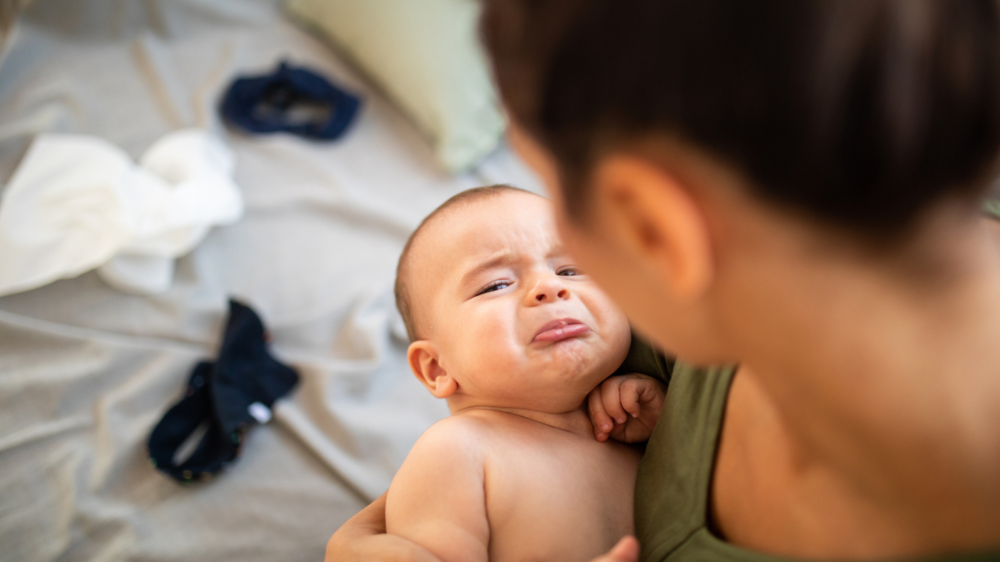
Babies do not breathe air when they are growing inside the womb, but they receive oxygen through the placenta and umbilical cord. They use their lungs to breathe for the first time after they are born and are separated from the umbilical cord.This first cry helps your baby expand the lungs and draw in oxygen, while also flushing out the fluids from it. The oxygen supply may not be sufficient for your baby if they do not immediately cry or breathe. Therefore, crying is just an assuring way of showing that your baby is ready to survive outside the womb.
A Natural Response to a New Environment
Your baby experiences a stark contrast at birth because the womb is usually warm, cushioned, and dark. However, after they are born, the environment suddenly changes to being bright, noisy, and cool for their comfort.These changes are enough to overwhelm your baby, and crying is the natural response to it. Crying also helps regulate their body temperature, heart rate, and circulation. It is just how your baby adjusts to the outside world.
Why Doctors Look for the First Cry
Your doctor and their team focus on your baby's first cry after the birth to know if they are healthy or not. They also perform a quick test, called the Apgar score, which assesses the breathing and crying patterns of your baby.A strong cry from the baby reassures the medical team that oxygen is reaching the baby's lungs and circulating well in the body. However, if the baby does not cry immediately, your doctor may stimulate them by rubbing their feet or back to encourage breathing. A suction may also be used to clear fluids from the baby's airway, helping them take their first breath.
Situations Where a Baby Might Not Cry Immediately
It is natural to worry when you do not hear your baby cry the moment they are born. You may find it reassuring that not every baby cries instantly, and some may need a little assistance. It does not always mean there is something wrong with your baby.Your baby may not cry under the following circumstances.
- Cesarean deliveries: Babies born by C-section may take slightly longer to cry because the birth process is different from vaginal delivery.
- Premature birth: Babies who are born before their due date may need extra support to breathe.
- Sedation during labour: Medicines given to you during labour may make the baby less active at first.
- Quick medical attention: The medical team immediately helps the baby with breathing support before crying happens naturally in some cases.
The Emotional Impact of Hearing Your Baby Cry
As a new parent, hearing the sound of your baby cry for the first time can feel emotionally heavy. You may also find relief and feel joy at the same time as your baby adapts to the conditions outside the womb. It also marks the beginning of the bonding process between you and your baby.Another fact worth noting is that your baby's cry stimulates milk production in your body to start breastfeeding. These signs demonstrate the natural connection and are one of the many ways to support early bonding.
What You Should Remember
See your baby's cry as a positive sign of them trying to breathe for the first time on their own. They are taking their first step out of the many steps into the outside world. Please do not worry, even if your baby does not immediately after birth, and trust your doctor as they will provide their best care to support them.A baby usually cries after birth, which can be a reassuring sign of life. It is a critical step that allows your baby to open its lungs and draw in air on their own. It also helps them adapt to the environment outside the womb. You will cherish this sound as a parent, and it may also fill you with relief.
However, do not be alarmed if your baby takes time or needs help from medical professionals to breathe. This natural process serves as a reminder of the resilient baby, ready to begin life outside the womb.
Whether you’re pregnant, a new mom, or navigating postpartum, you don’t have to do it alone. Join our support group to connect, share, and support one another.
FAQs on Why Babies Cry Immediately After Birth
- What if my baby does not cry immediately after birth?
Not all babies cry after birth, and it does not mean that there is a problem. Your doctor will stimulate your baby or assist them with breathing. - Does a baby's first cry indicate intelligence or personality?
The first cry is a sign of breathing and adjusting to the conditions outside the womb. It does not predict intelligence or behaviour in any way. - Can a baby be healthy even without crying at birth?
Some babies may breathe without crying loudly, yet remain healthy. Breathing is the essential aspect that matters the most after a baby is born.