In this article:
How Birth Control Influences Your Hormones
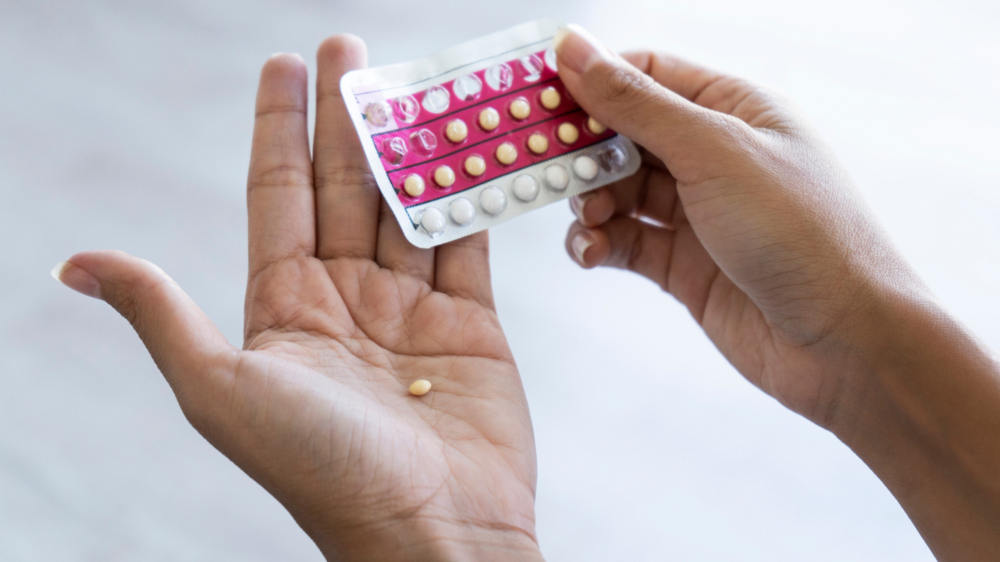
Birth control works by pausing ovulation. It keeps your hormones at steady levels so your body does not prepare to release an egg. When you stop using it, your body has to relearn its natural rhythm. This shift may feel confusing at first. Your ovaries, brain and hormonal pathways start communicating again, but it may take time for the signals to become regular.
Common temporary changes include
- Irregular periods
- Delayed ovulation
- Mood changes
- Skin fluctuations
- Changes in appetite or energy
These shifts are part of your body’s natural adjustment and are entirely normal. Understanding this can provide reassurance during your recovery.
Why Cycle Recovery Takes Time
Some women recover within weeks, while others take several months. This difference is normal and depends on your unique lifestyle, stress levels and overall health. Your recovery is as unique as you are, and understanding this can make you feel more understood.
Supporting Hormone Balance Naturally
Your hormones respond strongly to your daily habits. Supporting them through consistent routines helps you recover faster.
- Eat regular meals for balanced blood sugar
- Avoid skipping breakfast, which affects hormone regulation
- Add beneficial fats such as nuts and seeds to support hormone production
- Reduce excess caffeine, which may increase stress hormones
These small changes help your body restore rhythm naturally.
Restoring Ovulation After Birth Control
Ovulation is a sign that your fertility is returning. You can support ovulation through gentle actions.
- Maintain steady sleep patterns
- Reduce screen exposure before bedtime
- Manage stress through breathing or gentle movement
- Allow your body time to adjust without pressure
When your stress hormones decrease, your reproductive hormones stabilise, improving the timing of ovulation.
How Gut Health Influences Hormone Recovery
Your gut plays a critical role in regulating hormones. After birth control use, your gut bacteria may need time to rebalance. Supporting your gut helps your body process and clear hormones smoothly.
- Include fibre-rich foods
- Drink enough water
- Add fermented foods for natural probiotics
- Limit processed foods that slow digestion
A healthy gut creates a smoother hormonal transition.
Supporting Your Liver for Hormone Metabolism
Your liver processes hormones and helps maintain balance. After birth control use, supporting liver health can ease the transition.
- Include warm cooked meals.
- Add vegetables such as beetroot, carrots and spinach
- Use minimal oil and avoid heavily fried foods
- Stay hydrated throughout the day
These habits help improve hormone clearance.
Managing Post-Birth Control Symptoms
Some women experience deeper symptoms during recovery, such as acne, mood swings or shorter cycles. These symptoms are temporary and usually fade as your hormones stabilise. Supporting your body patiently helps reduce discomfort.
- Use gentle skincare
- Rest when your body feels tired
- Practise simple relaxation methods
- Keep track of your cycle changes without obsessing
Your body heals more easily when you are aware without feeling pressured. Keep in mind that this journey requires patience.
Monitoring Your Cycle While You Recuperate
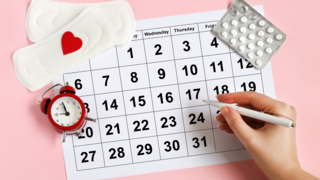
You can better understand your body's development by tracking your cycle. Changes like cervical mucus patterns are visible.
- Changes in cycle length
- Changes in temperature
- Symptoms of ovulation
Only when used calmly can cycle tracking be a helpful tool. It can be stressful to check several apps at once or compare them to others.
Fertility Nourishing Foods After Birth Control
Certain foods help support balance, energy and reproductive health.
- Leafy greens for iron and antioxidants
- Seeds such as flax, pumpkin and sesame for hormone support
- Whole grains for steady energy
- Fruits for natural vitamins
- Nuts for healthy fats
These foods help your body rebuild hormone stores and improve egg health.
Why Stress Reduction Is Key for Post-Birth Control Fertility
Stress disrupts hormone signalling between your brain and your ovaries. When stress remains high, ovulation may be delayed even if you stopped birth control months ago. Supporting emotional well-being helps your body feel safe enough to restart natural cycles.
Simple habits include
- Slow evening routines
- Fresh air in the morning
- Talking to a supportive friend
- Gentle stretching or yoga
A calmer body recovers faster.
When to Seek Guidance
Most women regain natural cycles within a few months. You should seek guidance if
- Your periods do not return for several months
- Cycles remain very unpredictable
- You experience severe mood changes
- You feel unsure about your symptoms
A doctor can evaluate your hormones and guide you with simple steps.
Building fertility health after long-term birth control use is a gradual process. Your body needs time to relearn its natural rhythm, restore ovulation and balance hormones. With gentle support through nourishing foods, restful sleep, minimal stress and steady routines, your cycle begins to stabilise. Every woman’s recovery looks different, and your body will guide you through its own pace. Supporting yourself with awareness and patience creates a healthier foundation for conception.
You’re not alone in your journey when trying to conceive. Join our supportive community to connect with others, share experiences, and find encouragement every step of the way.
FAQs on How to Build Fertility Health After Long-Term Birth Control Use
- How long does it take to regain natural cycles after birth control?
Most women regain their cycle within a few weeks to a few months. Some may take longer depending on stress and overall health. - Can long-term birth control harm fertility?
Birth control does not harm fertility but may delay ovulation temporarily as your body adjusts. - What helps restore hormone balance after stopping birth control?
Balanced meals, good sleep, reduced stress and gentle lifestyle habits support smoother hormonal recovery.