In this article:
Why Does Insulin Resistance Matter During Pregnancy?
Your body tries to balance it by releasing more insulin. In the second and third trimesters, the placenta releases more hormones to support the pregnancy; meanwhile, the body releases more insulin to balance them. That's why insulin resistance becomes important because pregnancy changes the way your body handles glucose.
Due to PCOD, you are already having insulin resistance even before pregnancy. So after pregnancy, your pancreas may not be able to manage it all, resulting in a higher risk of gestational diabetes.
This is why doctors check you at regular intervals, even if everything is okay.
What Are the Early Signs You Should Look For?
It doesn't always show obvious symptoms, but small things can still be signs.
- Urge to drink more water than usual
- Feeling tired no matter how you rest
- Blurry sight
- Feeling hungry more than you used to
- Any recent infections, especially fungal ones
Inform your doctor of any signs. Early treatments prevent future complications.
How Does Gestational Diabetes Affect Your Pregnancy?
Gestational diabetes won't make your pregnancy period tough. It will lead to several other risks or complications during delivery.
- The baby will weigh more than 4 kg, making vaginal delivery almost impossible
- The chances of a C-section will be higher
- You will face low blood pressure after delivery
- Both you and your baby will be at risk of type 2 diabetes later in your life
How Can You Reduce Your Risk If You Have PCOD?
The best part is that there are many ways to decrease the chances of gestational diabetes. Your small daily life habits can bring a large change if PCOD is a part of your life.
- Maintain a balanced diet: Try to eat more whole grains, proteins, and fibre-rich foods. Reduce your sugar intake and avoid junk food.
- Eat in smaller, frequent portions: It keeps your blood level in check.
- Stay active: Walk for 30 minutes daily, or do gentle yoga, to better manage your insulin.
- Monitor your weight gain: Check your weight frequently if it's increasing by more than 1.5kg per week. Consult the doctor.
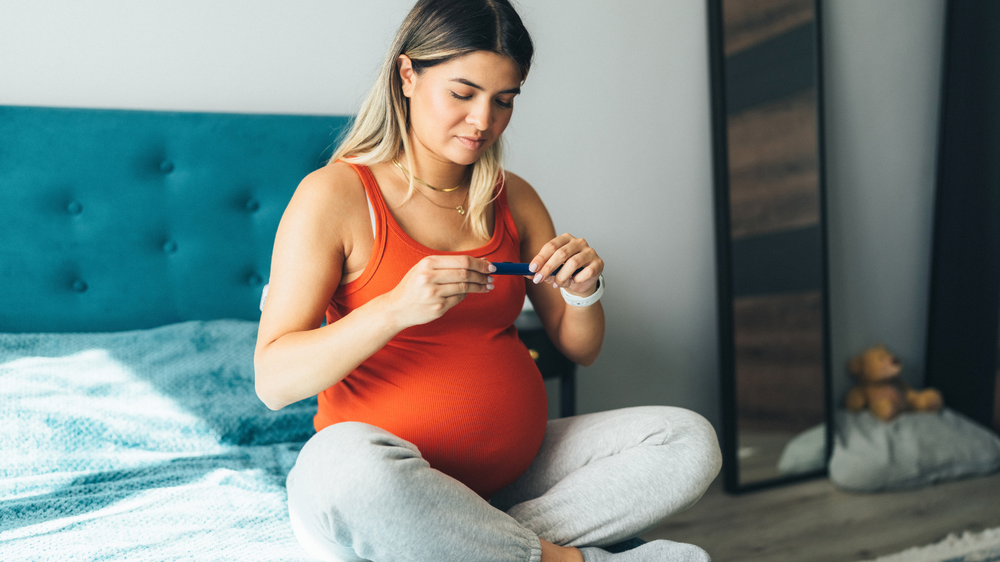
- Check blood sugar regularly: This helps you catch early changes and take timely action.
- Take medicines only if advised: Take medicine like the prescription metformin. But don't take any medicine during pregnancy without a doctor's advice.
What Role Do Emotional and Social Factors Play?
PCOD can make you feel anxious, overwhelmed, and confused about how your pregnancy is going to end.
During this time, your emotional health is at the same place as your physical health.
- Open up with your partner about your fear and stress
- Share your concerns with close friends or family
- If you feel constantly worried, consider speaking with a counsellor or joining a support group
When Should You See a Doctor Immediately?
Reach out to your doctor if you notice:
- Feeling the urge to drink water more than usual
- Extreme tiredness
- Gaining weight faster than usual
- Baby movement starts feeling less
- The level of sugar in the blood increases steadily
What Should You Do Next? A Quick Checklist
- Keep track of your blood sugar levels
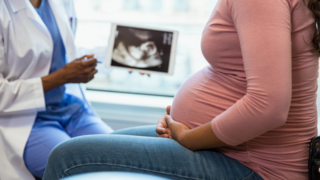
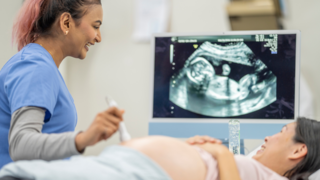
- Follow your prenatal checkups regularly
- Try to notice your energy level daily
- Let your family and partner know about your condition, open up to them, and let them take care of you
Having PCOD doesn't mean you will automatically have gestational diabetes. Yes, it increases the risk, but it doesn't mean you will have it. Having a general understanding of its connection and attending regular checkup sessions helps you manage it. It simply means you need more awareness and care, and have to follow a healthier lifestyle than others.
Always remember, you are not alone in this journey; many have gone through the same phase and had a safe, smooth delivery under guidance and care.
Whether you’re pregnant, a new mom, or navigating postpartum, you don’t have to do it alone. Join our support group to connect, share, and support one another.
FAQs on How PCOD Can Increase The Risk of Gestational Diabetes
- If you have PCOD, does that mean you will definitely get gestational diabetes?
No, the risk is definitely higher, but by maintaining a healthy lifestyle and having regular checkups, you can reduce it. - Will gestational diabetes stay till the delivery only?
Yes, in most cases, it fades away, but you are still at a higher risk of type 2 diabetes, so maintaining a healthy lifestyle and tracking your sugar levels is important. - Should metformin be taken during pregnancy if you have PCOD?
Don't take any medicine during pregnancy without the doctor's advice. If the doctor recommends it, then you can have it.