Learning about low AMH during fertility planning can be overwhelming. IVF can bring up even more questions. You might want clear guidance and easy-to-understand answers.
In this article:
This article shares practical tips to help you feel more confident as you move forward.
What is AMH
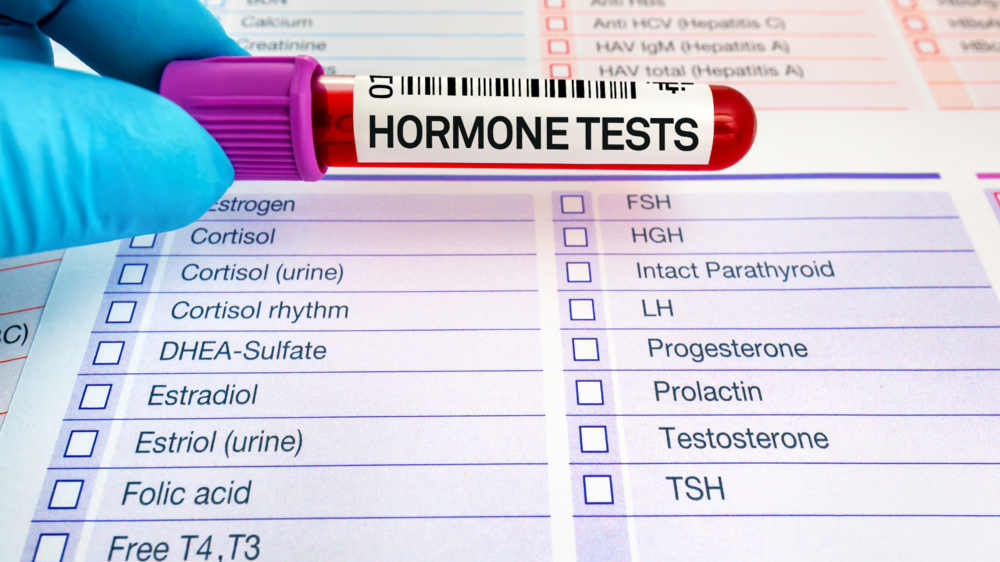
AMH, or Anti-Müllerian Hormone, is a hormone that reflects the approximate quantity of eggs in the ovaries. It does not assess egg quality but helps estimate how the ovaries may respond during IVF. Important points:- AMH levels are measured through a simple blood test.
- A lower AMH level usually indicates a lower ovarian reserve.
- AMH naturally declines with age, especially after the early thirties.
- Low AMH is common and does not remove the chance of pregnancy.
Low AMH in the Indian Context
In India, many individuals discover low AMH while planning to conceive, often during routine fertility tests. Common factors influencing AMH include:- Age
- Lifestyle pressures
- Delayed child planning
- Health conditions such as endometriosis
- Environmental stress
Why AMH Matters in IVF
In IVF, AMH helps clinics decide:- The expected number of eggs that may develop with medication
- The dosage of ovarian stimulation medicines
- The chances of needing modified treatment plans
- The ability to become pregnant
- Embryo quality
- Whether IVF will succeed
When Do Low AMH Levels Becomes a Concern
Low AMH suggests that the ovaries may produce fewer eggs. This may influence IVF because:- Fewer eggs may develop during stimulation.
- Fewer embryos may be available for transfer or freezing.
- Treatment may require more careful planning.
Signs That Lead to an AMH Test
People are often advised to take an AMH test if they have:- Irregular cycles
- Difficulty conceiving for a year or more
- Past ovarian surgery
- Family history of early menopause
- Hormonal conditions
- Age above 30 and planning ahead
Preparing for IVF with Low AMH
You can take practical steps to support treatment:- Discuss your complete medical history with the fertility specialist.
- Ask about treatment protocols suited for low AMH.
- Keep realistic expectations about egg numbers.
- Maintain a balanced routine, including daily movement and nutritious meals.
- Prioritise rest and emotional wellness.
Treatment Approaches for Low AMH
Common strategies include:- Modified ovarian stimulation
- Shorter stimulation protocols
- Using higher or more tailored doses of medicines
- Trigger timing adjustments
- Considering donor eggs, if recommended and chosen willingly
Lifestyle Factors That Support IVF
You can support your fertility journey by focusing on:- Regular, light exercise
- Nutritious meals with fresh vegetables, whole grains, and seasonal fruit
- Adequate hydration based on Indian weather conditions
- Managing stress with simple practices such as breathing exercises
- Disciplined sleep routines
What Low AMH Does Not Mean
Low AMH does not mean:- You cannot conceive
- IVF will fail
- Your body is less capable
- There is no hope
When to Consider a Specialist
You may benefit from visiting a fertility specialist if:- You have been trying to conceive for a year without success.
- You have irregular cycles.
- You are above 30 and want to assess fertility health.
- You have known hormonal conditions.
- You prefer early clarity before planning pregnancy.
Emotional Aspects of Low AMH and IVF
Fertility planning can bring mixed emotions. It may help to:- Talk openly with loved ones
- Join support groups in local communities
- Seek professional counselling if stress feels heavy
- Keep a journal to process thoughts
- Focus on each step instead of the entire journey at once
Questions to Ask the Specialist
Before starting IVF, you may ask:- What stimulation protocol will suit me?
- How many monitoring visits may I need?
- What are my estimated chances per cycle?
- How does low AMH influence my plan?
- What lifestyle adjustments should I follow?
- What costs should I expect, including medicines and procedures?
What Success Can Look Like
Success in IVF does not look the same for all. It may involve:- A healthy pregnancy
- Frozen embryos for future use
- A clearer understanding of fertility
- Peace of mind through informed choices
- Considering alternative paths if needed
Take time to learn about your options, ask questions freely, and trust the process. This can make the experience feel easier and more empowering, especially if you approach each step calmly.
IVF can feel overwhelming, but you’re not alone. Join our IVF support group, where stories, guidance, and strength are shared daily.
FAQs on Low AMH and IVF in India: What Everyone Planning Pregnancy Should Know
- Is it possible to improve AMH levels naturally?
No, AMH levels show the number of eggs, and this number cannot be increased. Still, you can support your reproductive health with healthy habits. Eating well, staying active, managing stress, and not smoking may help your body respond better during IVF, even if AMH does not go up. - How often should AMH be retested?
AMH does not usually change drastically within short periods. Retesting may be suggested if there has been a significant gap between tests, if symptoms change, or if treatment plans require updated information. Many specialists recommend retesting only when needed to guide decisions rather than checking it frequently.