In this article:
What Happens to Your Skin After Pregnancy?
Postpartum skin changes are the result of the internal recovery. Hormones play a major part. After delivery, the heightened levels of estrogen and progesterone plunge rapidly, leading to dryness, dullness, acne, breakout, hair shedding, and pigmentation. For lactating mothers, prolactin remains high, leading to irregular menstrual cycle and skin balance.The enlarged breasts and belly tear the collagen fibre, resulting in permanent stretch marks. Reduced blood volume may make the skin look dull and dehydrated. Newborns can be cranky and don't have a set sleeping routine. This anomaly in rest leads to frequent breakouts, dark circles, and uneven tone.
Hair also sees a rapid plummet after pregnancy. During pregnancy, the intake of vitamins, minerals, and calcium supplements worked well for hair growth. But after pregnancy, you might experience sudden and frequent hair loss.
Postpartum Skin Concerns and How to Deal with Them
Acne and Breakouts
Acne can appear right after or a few days after delivery. Postpartum acne is the result of sudden hormonal changes, stress, lack of sleep, or dehydration. Most women experience postpartum acne flaring up on their jawlines or chins. Here’s how you can tackle postpartum breakouts:- Use a mild cleanser and wash your face twice daily
- Opt for azelaic acid or niacinamide-based serums
- Don't scrub harshly, and don't touch your face often
- If it persists, consult your doctor for hormonal balance medicine
Postpartum Dark Spots
Again, hormonal imbalance should be blamed for postpartum dark spots. The sudden shift and reduced levels of hormones increase melanin production, resulting in hyperpigmentation and dark spots. Stress, sleeplessness, and hypertension may also cause melasma.- Never leave your home without sunscreen- opt for mineral-based SPF 30+sunscreen
- Add vitamin C, niacinamide and hyaluronic acid to your skincare
- Try to intake antioxidant-rich foods, including amla, citrus, and pomegranate
Stretch Marks
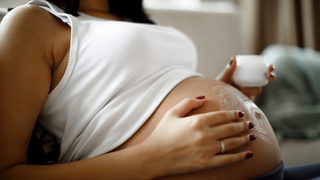
Dermal tearing during pregnancy creates a breakage, like stretching, to support the baby’s growth. The start of stretch marks looks purple or red, and over time, they turn into white marks. Start treating stretch marks as soon as it starts developing.- Apply hyaluronic acid or shea butter on the surface and massage it well
- If the marks seem so visible, consider microneedling only post-lactation
- Hydration is the key to supporting collagen and elasticity
Dryness and Sensitivity
After a few hours and days of delivery, hormones rapidly reduce, disrupting the skin barrier and causing dryness. Frequent washing may also strip the body’s natural oil and lead to patchy and dry skin. A moisturising body care routine helps.- Wash your face with creamy cleansers that feel nourishing and hydrating
- Apply a rich and ceramide-based moisturiser to damp skin
- You can also moisturise your face with essential oils or serums for the product to penetrate the skin
- Don't be in the shower too long
Postpartum Rash
Small red bumps and itchiness around the bump may indicate pruritic urticarial papules and plaques of pregnancy (PUPPP). Usually harmless and settles after a few weeks of delivery. The cause of PUPPP is rapid abdominal stretching, which in turn creates inflammation around the area, leading to rashes and itchiness. Consulting doctors is the best solution. Doctors may suggest steroid creams or oral antihistamines.Dark circles and Puffiness
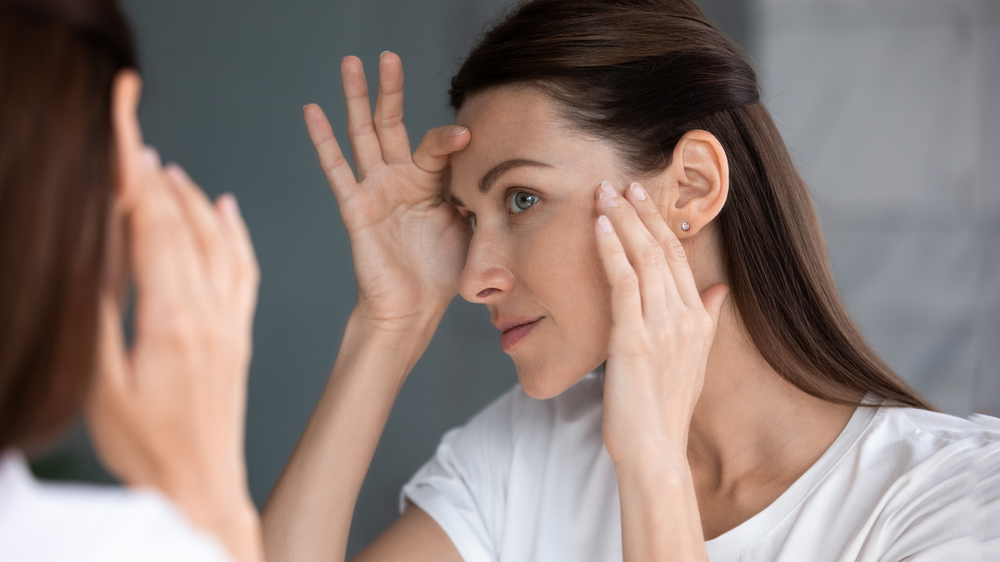
Dark circles and eye bags after pregnancy are a result of stress and sleeplessness. After long hours of labour, the body is tired; along with this, the baby’s irregular sleeping routine leads to added tiredness in new mothers. Lack of iron may also cause dark circles and puffiness.- Use a cold compress on your eyes
- Take vitamin B12, iron supplements or natural intake in your diet
- Catch up on your sleep when you get time
- Topical creams infused with caffeine or antioxidants also work
Safe Skincare Routine for Postpartum Glow
- With a gently hydrating cleanser, wash your face twice daily. If cleansing twice makes your skin feel itchy or patchy, wash your face with clear water in the morning and use a face wash in the evening.
- If you feel tightness or open pores, try an alcohol alcohol-free toner.
- Follow it up with a few drops of serums- according to your skin concern, pick vitamin C, niacinamide, azelaic or hyaluronic acid serums.
- Seal the serum with ceramide-based moisturiser.
- Never skip sunscreen. Broad-spectrum mineral sunscreen with SPF 30+ should be included in your daily routine.
Ingredients to Use and Avoid
Lactating mothers should be mindful of the ingredients they use on their skincare. Some ingredients can be toxic and easily absorbed into the bloodstream, causing irreversible damage to the baby. This table gives a clear understanding of what to avoid and what to add:| Ingredients to (re)Introduce | Ingredient to Avoid |
| Vitamin C | Retinoids |
| Hyaluronic acid | Hydroquinone |
| Nyacinamide | Chemical peels |
| Azelaic acid | Chemical sunscreen |
| Lactic acid | Botox |
Postpartum skin needs time and care to repair and rejuvenate. Don't start your full-blown skincare routine as soon as the baby is born. Your skin needs detox and time to breathe and relax after that rollercoaster hormonal activity. Slowly introduce the routine step by step. You might be tempted to start every acid seeing your skin condition. But wait till the hormone finds its balance. Focus on hydration and cellular repair before reintroducing acids and additives. Try to repair your body and skin with real food, nutrition, sleep and hydration.
Whether you’re pregnant, a new mom, or navigating postpartum, you don’t have to do it alone. Join our support group to connect, share, and support one another.
FAQs on How To Restore Your Skin After Baby Arrives- Postpartum Skincare
- How to get a glow after delivery?
You can restore your glow by getting optimal rest, maintaining your mental health, having enough nutrition, and following a simple 2 or 3-step skincare routine. - Why is my skin dull after delivery?
After delivery, the levels of hormone plummet quickly, leading to postpartum acne, dryness, rashes, and other skin issues. Skin will start to improve once the hormones start to settle.