In this article:
Ayurveda takes a wider view. It understands conception as the final outcome of a system working in harmony. When even one part of that system is strained, conception may be delayed or fragile, even if medical reports appear normal. This framework does not reject modern medicine. Instead, it offers a way to understand why fertility struggles can exist without obvious disease, and why pre-conception health deserves as much attention as pregnancy itself.
Fertility in Ayurveda Is About Harmony, Not Just Hormones
Classical Ayurvedic texts such as the Charaka Samhita describe conception as possible only when four conditions are adequately balanced:- Beej: the quality of the reproductive seed
- Kshetra: the womb and internal environment
- Ambu: nourishment and fluid balance
- Ritu: appropriate timing
Beej: The Quality of the Reproductive Seed
Beej refers to the ovum and sperm. In Ayurveda, fertility does not depend only on their presence but on their strength, vitality, and integrity. From a modern perspective, this aligns with what is known about gamete quality. Eggs and sperm carry DNA, mitochondria, and epigenetic signals that influence fertilisation, implantation, and early embryonic development.Key influences on Beej include:
- Oxidative stress: Excess free radicals damage sperm DNA and reduce motility. In eggs, oxidative stress affects chromosomal alignment and mitochondrial energy production, increasing the risk of failed fertilisation or early loss.
- Metabolic health: Insulin resistance, thyroid imbalance, and chronic inflammation impair ovulation and sperm production even when cycles appear regular.
- Stress and sleep: Elevated cortisol disrupts reproductive hormone signalling. Poor sleep reduces melatonin, a hormone crucial for protecting eggs from oxidative damage.
- Environmental toxins: Pesticides, heavy metals, and endocrine-disrupting chemicals interfere with hormone receptors and damage reproductive cells.
Kshetra: The Womb and Internal Environment
Kshetra refers to the uterus, pelvis, hormonal milieu, and overall internal atmosphere in which conception and implantation occur.In modern fertility science, this includes:
- Endometrial thickness and receptivity
- Uterine blood flow
- Inflammatory status
- Hormonal balance across the cycle
Factors that weaken Kshetra include:
- Chronic inflammation: Conditions such as endometriosis, fibroids, and adenomyosis create inflammatory signals that interfere with implantation.
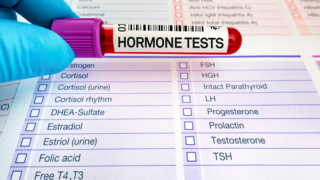
- Hormonal imbalance: Excess oestrogen, inadequate progesterone, or disrupted LH and FSH signalling affect endometrial development.
- Stress-related uterine changes: Psychological stress reduces uterine blood flow and alters immune responses within the endometrium.
Ambu: Nourishment, Fluids, and Cellular Nutrition
Ambu translates loosely to nourishment and fluid balance. It encompasses not only what you eat, but how nutrients are absorbed, metabolised, and delivered to tissues.Modern parallels include:
- Micronutrient sufficiency
- Blood volume and circulation
- Cellular hydration
- Digestive and metabolic efficiency
Important nutritional influences include:
- Iron and B vitamins: Iron deficiency is linked to ovulatory infertility. Folate and B12 support DNA synthesis and methylation in early embryonic development.
- Omega-3 fatty acids: These reduce inflammation and support hormonal signalling and endometrial receptivity.
- Protein adequacy: Amino acids are required for hormone synthesis and follicular development. Both deficiency and excess can disrupt ovulation.
- Digestive health: Ayurveda places strong emphasis on Agni, or digestive fire. Poor digestion leads to nutrient malabsorption, regardless of diet quality.
Ritu: Timing and Biological Readiness
Ritu refers to the appropriate time for conception. While often simplified to ovulation, Ayurvedic texts emphasise that timing is meaningful only when the body and mind are receptive.Modern medicine recognises that:
- Ovulation does not guarantee fertility
- Implantation success varies by cycle
- Stress and illness alter cycle quality even when ovulation occurs
- Ovulatory timing: The fertile window is necessary but insufficient on its own.
- Circadian and hormonal rhythm: Disrupted sleep-wake cycles alter reproductive hormone secretion.
- Mental readiness: Ayurveda notes that conception is less likely when the mind is restless or distressed. Modern research supports this through observed links between stress hormones and implantation failure.
When One Factor Is Out of Balance
Ayurveda explains fertility challenges through imbalance rather than isolated disease. This perspective is particularly helpful when medical tests appear normal but conception does not occur.Examples include:
- Healthy ovulation with repeated implantation failure, suggesting Kshetra imbalance.
- Normal sperm counts with high DNA fragmentation, indicating Beej stress.
- Regular cycles with chronic fatigue or nutrient deficiency, reflecting Ambu weakness.
- Accurate ovulation tracking with persistent stress or exhaustion, affecting Ritu.
The Mind–Body Connection in Fertility
"One of the most consistent themes in both Ayurveda and modern science is the influence of the nervous system", says Gurpreet Kaur Sanyal, a Fertility & Prenatal Coach with over two decades of experience in Beej Sanskar. She also adds, "When someone faces chronic stress, it affects fertility by suppressing ovulation through hypothalamic signalling. It also reduces sperm concentration and motility. It Increases uterine inflammation and also disrupts sleep and circadian rhythms. Ayurveda refers to this as Manas disturbance. Modern medicine measures it through cortisol, inflammatory markers, and altered hormone patterns. This does not mean fertility requires emotional perfection. It means prolonged emotional overload carries a biological cost."Integrating Ayurvedic Principles With Modern Care
The Ayurvedic framework is not a substitute for medical evaluation. It works best as a complementary lens.Integration may involve:
- Medical testing to rule out structural or endocrine conditions.
- Nutritional and metabolic optimisation before conception.
- Addressing sleep, stress, and emotional support.
- Allowing sufficient time for biological changes to occur.
What This Approach Does and Does Not Promise
It is important to be clear.This approach:
- Supports reproductive health and biological readiness.
- Explains subtle fertility barriers.
- Aligns with preventive and pre-conception care.
- Guarantee conception
- Replace fertility treatment when needed
- Assign blame for infertility
You’re not alone in your journey when trying to conceive. Join our supportive community to connect with others, share experiences, and find encouragement every step of the way.
FAQs on Ayurvedic Approach to Fertility: Understanding Beej, Kshetra, Ambu, and Ritu Before Conception
- Is this approach useful if I am planning IVF?
Yes. Improving Beej, Kshetra, Ambu, and Ritu before treatment can support egg quality, implantation, and overall response, but it does not replace medical protocols. - Can stress alone prevent conception?
Stress rarely acts alone, but chronic stress can significantly impair hormonal balance, implantation, and gamete quality. - Is Ayurveda saying fertility problems are psychological?
No. It recognises physical, metabolic, hormonal, and emotional factors as interconnected, not interchangeable.