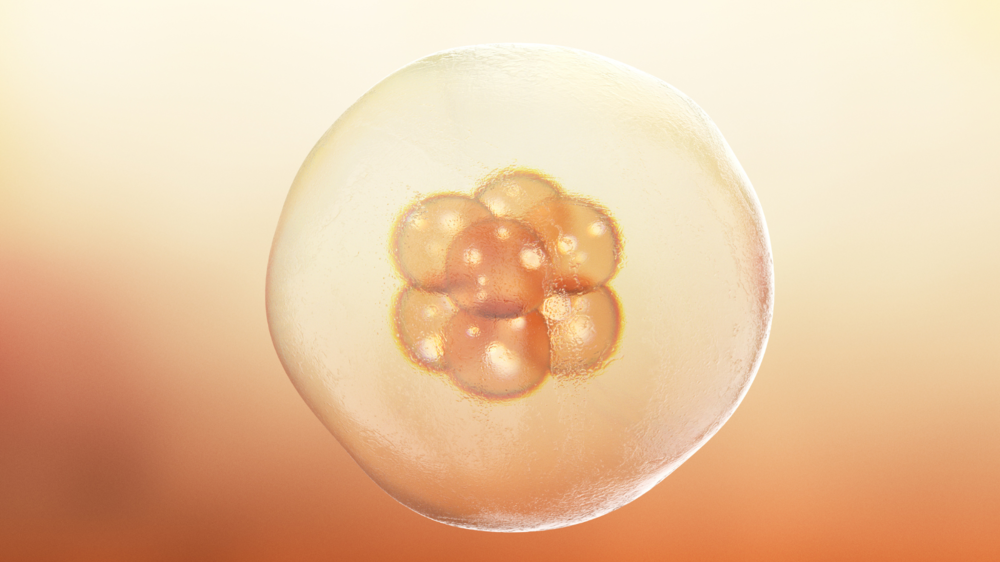
It is the moment when doctors develop and nurture an embryo in the lab, then place it in the uterus in the hope of achieving pregnancy.
While the procedure itself is simple and painless for most women, the anticipation surrounding the day often brings excitement and nervousness.
But it also raises many questions: What happens during the transfer? How should you prepare? What should you avoid afterwards?
Let’s discuss the procedure, preparation, and aftercare of the embryo transfer day to lead your pregnancy journey calmly and confidently.
In this article:
What Procedures Do Doctors Follow on Embryo Transfer Day?
An embryo transfer usually happens on Day 3 or Day 5 after fertilisation, depending on how well the embryo has grown. The procedure takes about 10-20 minutes, and doctors rarely use sedation. You remain awake, comfortable, and able to follow instructions throughout the process.The doctor guides a thin catheter through the cervix using an ultrasound to ensure accurate placement. At the same time, embryologists select the best-quality embryo, sometimes with support from PGT results, to maximise implantation potential.
Once selected, the embryo is loaded into the catheter and gently transferred into the uterus. You then rest in the clinic for 15-30 minutes before going home. Most women feel slight discomfort, similar to a routine pelvic exam, and can resume light activities soon after the procedure.
How to Prepare for Embryo Transfer Day?
Good preparation helps you feel calm, improves your comfort during the procedure, and may also support implantation success. Following a few mindful steps can make the embryo transfer day smoother and less stressful. Here’s how to prepare yourself for embryo transfer day.Drink Water Before the Procedure
- Arrive with a comfortably full bladder; not overfull, just enough to feel pressure. A full bladder straightens the uterus and improves ultrasound clarity, allowing doctors to guide the embryo to the ideal placement site. It ultimately increases the overall procedural comfort. You may be asked to adjust your water intake at the clinic depending on visual clarity.
- Tight outfits can press against the pelvic area, increasing discomfort during or after the procedure. Choose soft, loose-fitting clothes such as a dress, relaxed pants, or a gentle waistband. Furthermore, comfortable clothing also makes it easier to change for the procedure and relax during the resting period after the transfer.
- Follow your medication schedule strictly, especially progesterone or other hormonal support. These medicines prepare the uterine lining, increase its thickness, improve embryo receptivity, and reduce the risk of implantation failure. Missing doses may disrupt the environment needed for the embryo to attach, so timely intake is crucial to success.
- Walk into the clinic scent-free, as fragrances, even mild ones, can interfere with embryo development and lab culture media. Embryos are extremely sensitive to external chemicals, and scented products may compromise the sterile environment. Furthermore, avoid perfume, cologne, hairspray, scented moisturisers, and strong makeup products on transfer day.
- Sleep early, eat light, and avoid stress to give your body and mind enough relaxation. Talking about adequate rest helps improve hormonal regulation and supports emotional balance, both of which are valuable during the procedure. Furthermore, gentle breathing exercises, slow music, or light stretching may help you stay centred and composed before your appointment.
What are the Essential Aftercare Tips Following Embryo Transfer?
Once your embryo transfer is done, your actions after embryo transfer play a supportive role in implantation. Gentle care, proper nutrition, and emotional calmness help create an optimal environment for embryo attachment. Here’s what to do after embryo transfer.Don’t Overlook Hydration & Eat Nutrient-Dense Meals
Drink enough water throughout the day to support metabolism and reduce bloating. Choose meals rich in protein, healthy fats, antioxidants, and vitamins, such as lean meat, eggs, nuts, leafy greens, and whole grains. These nutrients support cell growth, hormonal function, and overall reproductive health.
Avoid Hot Baths, Saunas, and Overheating
- Stay away from environments that significantly raise body temperature. Excess heat may alter hormonal balance or affect blood circulation to the uterus. Prefer lukewarm showers, skip steam rooms, and avoid electric heating blankets for the first few days. Consult your doctor before implementing these tips to reduce health risks.
- Follow your medication plan without delay or skipped doses. Hormonal support, especially progesterone, helps maintain the uterine lining and encourages embryo implantation. However, stopping too early or taking irregular doses may reduce the chances of success, so consistency is key.
- Emotional calmness is valuable during the two-week wait. Gentle activities like meditation, slow walks, journaling, or listening to soothing music can reduce anxiety and keep your mind centred. Staying relaxed creates a supportive environment for your body to do its natural work.
Embryo transfer day marks a meaningful step in the IVF process, marked by hope and anticipation. When you understand the procedure, prepare well, and follow a balanced aftercare plan, you support your body through this crucial phase. Following the right tips, such as continuing medications as advised, maintaining a calm mindset, and staying connected with your medical team, may help you move forward with confidence.
FAQs on Embryo Transfer Day: Procedure, Preparation & Aftercare
- Can embryo transfer be done with more than one embryo?
Yes, but the number depends on age, embryo quality, medical history, and risk of multiple pregnancy. - Does embryo grading guarantee pregnancy?
No. High-grade embryos have better potential, but even lower-grade embryos can result in healthy pregnancies.