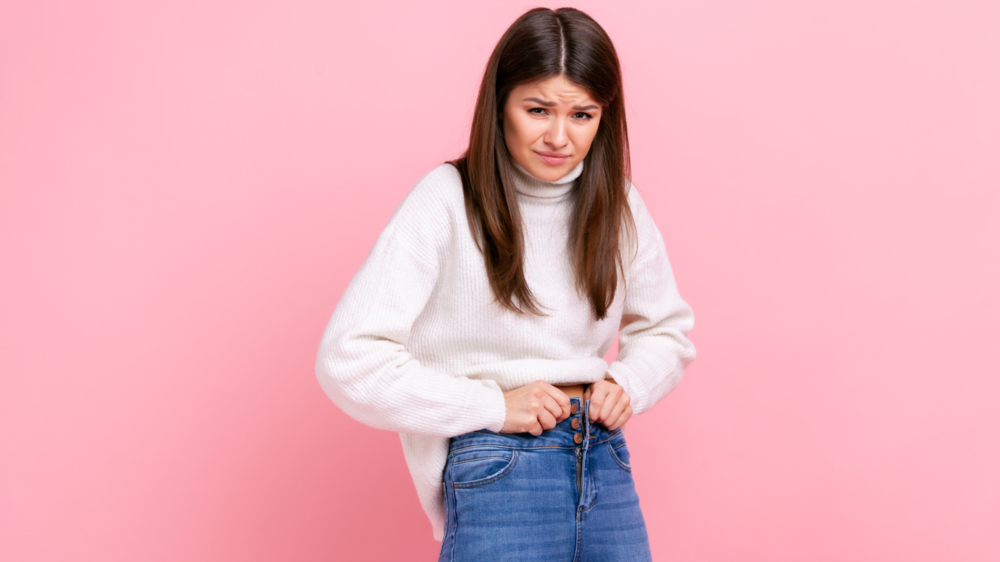
This type of clothing is essential to support your body functions, improve comfort and avoid interference of outside factors that may otherwise affect your reproductive health.
In this article:
Wear Natural, Breathable Fabrics
Most synthetic fabrics, such as polyester, nylon, and spandex, may trap heat and moisture. This creates a warm, humid environment that is not ideal for your reproductive organs. On the other hand, natural fabrics like cotton, bamboo, and linen allow air to pass through, keeping you cool and dry.Cotton underwear is important for women, as it reduces the risk of yeast infections and irritation. For men, breathable underwear helps maintain a cooler temperature in the scrotal area, which supports sperm health.
Tip: Always check the label before buying clothes to look for 100% cotton or other natural fibres tags.
Avoid Tight Clothing Around the Waist and Groin
Check whether your jeans dig into your waist or your underwear leaves marks on your skin. These are the signs of tight clothes, which can reduce blood flow, trap heat, and create pressure around your reproductive organs.For men, this pressure and heat may slightly reduce sperm quality. For women, it may affect circulation around the ovaries and uterus.
Tip: Prefer high-waist underwear or pants with a stretchable waistband, allowing your clothes to move with your body movement and not restrict them.
Choose Loose, Comfortable Styles
Loose clothing allows better air flow and gives your body room to breathe. Consider wearing flowy skirts, wide-legged trousers, A-line dresses, or relaxed-fit tops. You do not have to wear baggy clothes, but avoid anything overly snug.This is helpful during ovulation or when you are experiencing bloating or hormonal changes. When your body feels supported, your stress levels drop, which improves your fertility too.
Tip: Avoid skinny jeans or shapewear if you sit for long hours. Opt for lounge-friendly outfits that feel soft and easy on your body.
Pick Fertility-Friendly Underwear
Underwear is one of the most important pieces of clothing for fertility. For women, cotton panties with breathable fabric are the best choice. Avoid thongs or tight synthetic underwear if you are prone to infections or irritation.For men, most doctors agree that boxers help keep the scrotum cooler, which can improve sperm quality.
Tip: Invest in quality underwear made from natural fabrics if you are trying to conceive. Avoid wearing the same pair overnight, and always change after workouts to stay fresh.
Be Cautious with Shapewear
Shapewear may give you a smooth silhouette, but wearing it regularly can compress your abdominal and pelvic areas. This may affect digestion, circulation, and your menstrual cycle if it is too tight or worn for too long.Tip: Wear shapewear only on special occasions, and make sure it fits well. Go for soft, body-skimming outfits that flatter your shape on regular days.
Say No to Toxic Dyes and Chemicals
Some clothes are dyed with chemicals that may act as hormone disruptors, common in fast fashion items. These chemicals can be absorbed through the skin over time. Also, new clothes can have residues of formaldehyde or other finishes that can be harmful to your skin.Tip: Wash new clothes before wearing them, especially underwear and innerwear. Buy from brands that use organic or certified fabrics whenever possible.
Watch the Waistband
Tight waistbands of jeans, leggings, or even skirts can dig into your belly when you are bloated during your cycle. This constant pressure can cause discomfort and restrict blood flow.Look for elastic or drawstring waists, especially in your loungewear and everyday clothes. This gives your body the flexibility and comfort it needs without the squeeze.
Tip: A maternity-style waistband is not just for pregnant people, as it can be super comfortable if you are trying to conceive, too.
Prioritise Comfort During Your Fertile Window
You may not feel like dressing up when you are close to ovulation, but this is the time to be kind to your body. Avoid tight clothes that trap heat if you live in a hot or humid climate.Instead, wear soft cotton dresses, lightweight tops, and easy pants. You will feel more comfortable and less stressed, which is good for your fertility journey.
Tip: Keep a few fertility-friendly outfits ready in your wardrobe so you are not reaching for uncomfortable pieces on crucial days.
You do not have to throw away your favourite clothes or spend a lot on buying fertility-friendly clothing. You can always start with small changes, such as switching from wearing synthetic underwear to cotton ones or loosening up your jeans.
Remember that fertility is more than just biology, and sometimes even outside factors may affect it. So, always create a safe and healthy space for your body inside and out to support it during critical days.
You’re not alone in your journey when trying to conceive. Join our supportive community to connect with others, share experiences, and find encouragement every step of the way.
FAQs on Tips for Choosing Fertility-Friendly Clothing
- Can tight clothing affect fertility?
Tight clothes around the waist and groin may reduce blood flow, increase heat, and cause discomfort. These factors can affect both male and female reproductive health over time after continuous wear. Although they are not the only cause of fertility issues, switching to comfortable, breathable clothing is a positive step toward your reproductive health. - Are synthetic fabrics harmful when trying to conceive?
Synthetic fabrics are non-breathable, so they trap heat and moisture, and some contain chemicals that may disrupt your hormones. You can wear them occasionally, but consider natural fabrics, such as cotton, bamboo, or linen, for innerwear, especially if you'll be wearing them for long hours.