However, understanding why they occur and how to manage them can help women regain control over their skin, hair, and emotional well-being. Let’s discuss why these symptoms occur and what practical steps women can take to manage them effectively.
In this article:
Why PCOS Causes Hair Loss and Acne?
PCOS affects several internal systems, and its hormonal and metabolic disruptions directly influence the skin and hair. Understanding these underlying conditions helps women recognise why these symptoms appear.Increased Androgen Levels
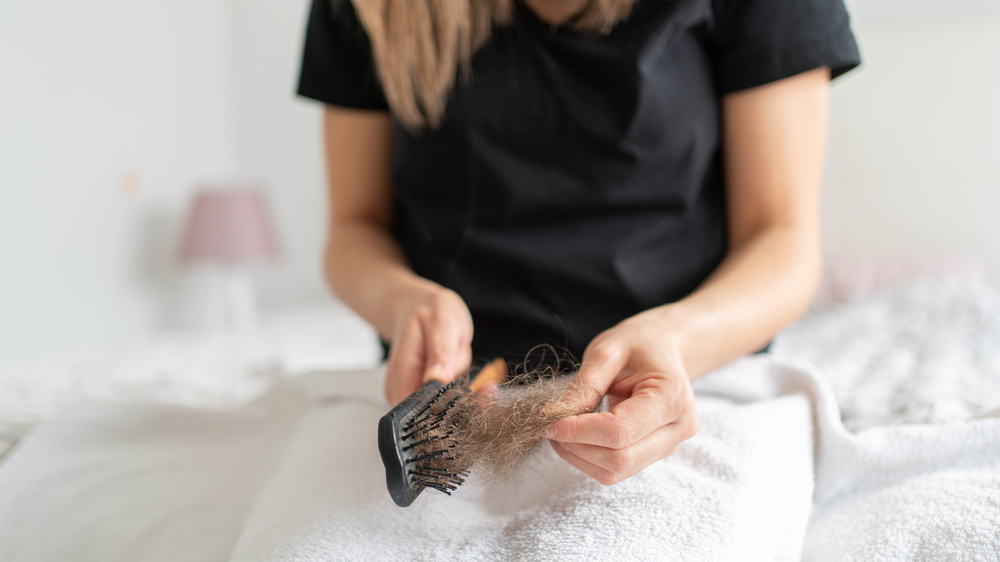
- PCOS raises androgen levels and creates noticeable changes in the skin and hair. Androgens increase facial and body hair growth while weakening scalp follicles, which leads to thinning. They also overstimulate the oil glands, increasing sebum production. Furthermore, these changes clog pores, trigger inflammation, and cause frequent acne.
- Insulin resistance, a common feature of PCOS, increases systemic inflammation and directly affects the skin. Higher inflammatory activity triggers acne flare-ups and slows healing. Furthermore, fluctuating insulin levels weaken hair follicles and shorten the growth cycle, leading to increased shedding and reduced density.
- Chronic stress raises cortisol levels and intensifies hormonal imbalance. Elevated cortisol increases sebum production, heightens sensitivity to inflammation, and worsens breakouts. Stress also disrupts the hair growth cycle by pushing more follicles into the shedding phase. When these changes are not addressed promptly, they contribute to visible thinning and slower regrowth.
- Metabolic disturbances in PCOS often lead to nutrient deficiencies. Low levels of vitamin D, B12, iron, zinc, and omega-3 fatty acids weaken the skin barrier, impair healing, and reduce hair strength. Furthermore, these deficiencies trigger more breakouts, increase scalp dryness, and contribute to ongoing hair loss.
- PCOS-related inflammation alters normal repair and renewal processes in the skin and scalp. It disrupts cell turnover, clogs pores, and contributes to persistent acne. Furthermore, it shortens the growth phase and weakens follicles, making your hair fragile and prone to shedding.
How to Manage Hair Loss and Acne?
Women with PCOS manage hair and skin concerns more effectively when they adopt consistent lifestyle habits and seek timely medical support. These strategies improve hormonal balance, reduce inflammation, and strengthen skin and hair health. Here is how you can manage these symptoms.Follow a Balanced Diet
- Eat regular meals rich in protein, fibre, and healthy fats to stabilise blood sugar and reduce inflammation. When you keep blood glucose steady, you support healthier hormone function, improve skin clarity, and strengthen hair follicles. Furthermore, a nutrient-dense diet increases energy and promotes long-term well-being.
- Choose non-comedogenic skincare, mild cleansers, and strengthening hair products to reduce irritation and protect your skin barrier. When you use gentle products every day, you allow your skin and scalp to recover and function properly. Furthermore, maintaining a consistent routine helps minimise breakouts and improve hair strength.
- Practise deep breathing, yoga, meditation, or mindfulness to lower cortisol levels. When you manage stress effectively, you reduce hormonal fluctuations that trigger acne and increase hair shedding. Furthermore, these practices support emotional stability and promote healthier skin and hair.
- Consult a dermatologist for personalised treatments such as prescription creams, medicated shampoos, anti-androgen medications, or laser therapy. A specialist identifies the root cause of your symptoms and recommends evidence-based options that improve your skin and hair health safely.
- Add omega-3 fatty acids, iron-rich foods, zinc, and antioxidant-rich vegetables to your meals to strengthen your skin and hair. These nutrients enhance collagen production, improve circulation, and support strong hair follicles. When necessary, seek guidance before starting supplements.
What to Do Next?
- Review your symptoms and note any patterns in breakouts or hair shedding.
- Consult a dermatologist or endocrinologist for personalised guidance.
- Begin small lifestyle changes such as gentle skincare and balanced meals.
- Track your progress weekly to understand what supports your body best.
- Adhere to medical advice to support long-term skin and hair health.
You’re not alone in your journey when trying to conceive. Join our supportive community to connect with others, share experiences, and find encouragement every step of the way.
FAQs on Struggling With Hair Loss and Acne Due to PCOS? Here’s What You Need to Know
- Does every woman with PCOS experience acne and hair loss?
No. These symptoms vary from person to person, depending on hormone levels, genetics, and lifestyle factors. - Can PCOS-related hair loss be reversed?
In many cases, hair thinning improves with proper treatment, nutrition, and hormonal balance. However, early treatment provides the best results. - Will dietary changes alone clear acne?
Healthy nutrition supports skin health, but many women require a combination of skincare, medical treatment, and lifestyle changes.