In this article:
But your period isn’t just “downtime.” It marks the start of a new cycle, quietly preparing your body for the chance of pregnancy in the weeks ahead. What you do during these days can support healthier hormones, strengthen your uterine lining, and improve ovulation later on.
How Does Your Menstrual Cycle Work?
Your menstrual cycle has four main phases, and each prepares your body for the next. When you understand what is happening at each stage, it becomes easier to notice what feels normal for you and what might need attention.
1. Menstrual phase
This is when you get your period. It usually lasts between 3 and 7 days. During this time, your body sheds the uterine lining from the previous cycle because pregnancy did not occur. You may feel tired, experience cramps, or notice mood changes, all of which are common during this phase.2. Follicular phase
This phase begins on the first day of your period and continues even after bleeding stops. Your body starts producing hormones that stimulate the ovaries to develop follicles. Each follicle contains an egg, and one of them will become dominant and mature. During this phase, your energy may gradually improve.3. Ovulation
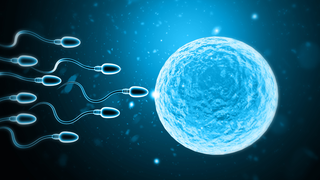
Ovulation usually happens around day 14 in a typical 28-day cycle, though your cycle length may be different. This is when the mature egg is released from the ovary. You are most fertile at this time. The egg survives for about 24 hours, but sperm can live inside your body for up to 5 days, which is why your fertile window is a few days long.4. Luteal phase
After ovulation, your body enters the luteal phase. Hormones work to prepare the uterus for a possible pregnancy. If the egg is not fertilised, hormone levels drop, and your next period begins. You may notice symptoms like breast tenderness, bloating, or mood changes during this phase.Why does this matter for fertility?
Your most fertile days are around ovulation, not during your period. Still, your period gives important clues about your overall cycle health. Very painful, heavy, or irregular periods can signal hormonal imbalances that may affect ovulation or implantation later.Why Is the Menstrual Phase Important for Conception?
During your period, your hormones go through a natural reset. Oestrogen and progesterone levels fall, which signals your body to shed the old uterine lining. While this is happening, your ovaries are already getting to work by preparing a new group of follicles for the next cycle.
This phase is important because it sets the tone for what comes next. Over the following weeks, your uterine lining needs to rebuild and become thick and nutrient-rich to support a possible pregnancy. A healthy period often reflects good blood flow and lower inflammation, both of which play a role in supporting regular ovulation and overall fertility.
When this phase functions well, it helps your body move smoothly into the next stages of your menstrual cycle.
What Lifestyle Habits During Your Period Support Conception?
The habits you follow during your period influence how well your body prepares for ovulation and implantation later in the cycle.
1. Nutrition and Hydration
Your body loses blood during menstruation, so proper nourishment is essential for hormone balance and uterine health. Focus on:
- Iron-rich foods include spinach, lentils, pumpkin seeds, and fortified cereals.
- Vitamin C-rich foods, such as oranges, strawberries, and bell peppers to support iron absorption.
- Healthy fats from nuts, seeds, avocados, olive oil, and fatty fish support hormone production.
- Adequate hydration with 8 to 10 glasses of water daily to support blood flow and tissue repair.
2. Managing Stress
Chronic inflammation and ongoing stress can interfere with ovulation. To support your body:
- Choose anti-inflammatory foods such as warm soups, ginger tea, berries, and turmeric to calm your system.
- Take adequate rest so your body can regulate hormones and recover more effectively.
- Use gentle stress relievers like reading, warm baths, or short walks in fresh air.
- Be mindful of stimulants by keeping caffeine under 200 mg per day, avoiding alcohol when possible, and staying away from smoking to protect egg quality.
3. Physical Activity
Your body benefits more from gentle movement than intense exertion during this phase of the cycle:
- Light activities such as yoga, stretching, walking, or swimming can ease cramps and improve circulation.
- Avoiding high-intensity workouts and heavy lifting can increase discomfort and inflammation.
- Prioritising quality sleep by aiming for 7 to 9 hours each night so your body can focus on recovery and hormonal balance.
4. Cycle Tracking
Keeping track of your cycle helps you understand your fertility patterns and plan effectively for conception. How to track your cycle:
- Start from day 1 of your period and note how long it lasts, along with symptoms like flow, heaviness or cramps.
- Use a calendar or app to estimate ovulation, usually around day 14 in a 28-day cycle.
- Know your fertile window, which typically includes the 5 days before ovulation plus the day of ovulation itself.
Your period isn’t the time conception happens, but it’s a valuable preparatory phase that influences everything that follows. By eating nutrient-rich foods, staying hydrated, and keeping track of your cycle, you are helping your body build a strong foundation for ovulation and a healthy pregnancy!
You’re not alone in your journey when trying to conceive. Join our supportive community to connect with others, share experiences, and find encouragement every step of the way.
FAQs on Week 1 Checklist for Couples Trying to Conceive
- Are irregular periods a sign of fertility issues?
Occasional irregularity is common, but consistently irregular cycles may indicate hormonal imbalances, thyroid issues, or other reproductive concerns. - Can sudden weight changes affect the menstrual phase?
Yes. Rapid weight gain or loss can disrupt hormone balance, leading to irregular cycles or skipped periods, which may affect ovulation and fertility.