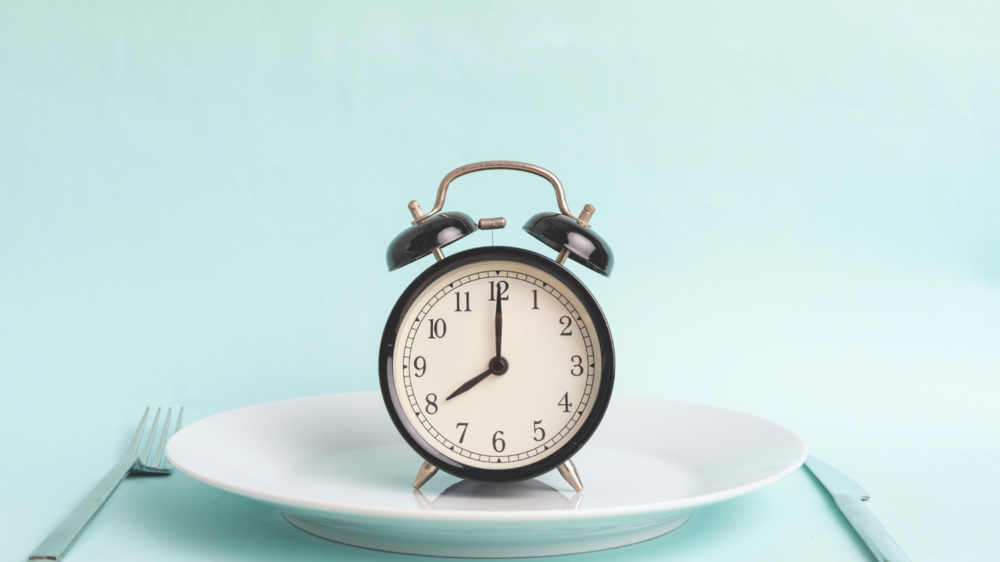
But is it really that good? Can a mother, especially a newly delivered breastfeeding mother, start intermittent fasting? Short answer: Generally not recommended, especially the 16/8 and 24-hour fasting windows during early postpartum. While nursing and healing, the mother's body undergoes rapid hormonal fluctuations, and intermittent fasting can reduce milk supply and hinder healing. After 6 months, with your doctor's consultation, 12-14 hours of overnight fasting may be viable.
6gb
In this article:
What is 16/8 Intermittent Fasting?
Intermittent fasting (IF), or time-restricted eating, is one such diet in which you can eat whatever you want (preferably healthy), but only during a specific window. Intermittent fasting emphasises “when to eat” over “what to eat”. In this fasting technique, you divide your 24 hours into two parts: one for “eating” and another for “fasting”.16/8 IF restricts the feeding window to 8 hours and the fasting window to 16 hours. However, breastfeeding mothers need more calories to support their health as well as the growth of their baby. Lactating mothers require 2300-2500 total calories.
The exact calorie intake depends on their health condition, age, weight, breastfeeding frequency, and activity levels. But the rule of thumb is to add 550-500 extra calories for a healthy, regular-breastfeeding mother. Healthcare professionals use the Dietary Reference Intake Calculator to determine your caloric needs based on your gender, height, and weight.
While increasing your calorie intake, you must ensure that those calories are nourished with enough nutrients. Add 1.1g of protein per 1 kg of body weight. Add calcium, iron, folate, and vitamin D for bone health and blood volume. Breast milk contains 87% water, 3.8% fat, 1% protein, and 7% lactose. Staying hydrated is also crucial. Aim to drink 3-4 litres of water and other fluids daily.
Can you do 16/8 Intermittent Fasting while Breastfeeding?
Intermittent fasting while breastfeeding is not recommended. IF burns calories quickly and affects milk production by reducing milk’s nutritional quality and quantity. After delivery, estrogen and progesterone levels will gradually decline, while oxytocin and prolactin levels will increase. Oxytocin and prolactin are responsible for milk production and letdown.During nursing, the body burns an additional 450-500 calories per day. During breastfeeding, the mother's body is focused on producing more milk. When the body doesn't get its energy from food, rather than completely stopping milk production, it starts to drain your energy, making you feel stressed, drained, and weak.
How to do Intermittent Fasting while Breastfeeding?
If you still want to lose weight without impacting your milk supply, start IF after 6 months. Completely avoid fasting for 6 months. After 6 months, begin with a 10-hour overnight fast and gradually increase it by 1 hour per week.- Discuss your plans with your doctor before starting any diet.
- Start slowly, as sudden fasting can affect your milk supply.
- Focus on adding both macro and micronutrients.
- Include a lot of seasonal fruits and vegetables in your diet.
- Include plenty of water, healthy drinks, and juices to ensure adequate fluid intake.
- Stop stressing about weight gain.
- Keep an eye on your body and milk supply.
- Avoid doing vigorous exercises.
- Gradually incorporate exercise like walking or light jogging.
- Plan your meals to avoid maternal burnout.
| Postpartum Timeline | Safe Fasting Hours |
| 0-6 Months | Completely avoid fasting |
| 6-9 Months | 10 hours overnight fast |
| 9-12 Months | 12 hours overnight fast |
| 12+ Months | 14 hours |
Does Fasting Affect Breast Milk Supply?
Yes. Intermittent fasting does affect breast milk supply. It is better to first establish a milk supply before hopping into the diet. Breastfeeding frequently, maintaining skin-to-skin contact, and emptying the breast milk during nursing signals the body to produce more milk.During postpartum, your body will go through a rollercoaster ride of hormonal changes, and starting intermittent fasting can make you tired and frustrated. To fight fatigue and exhaustion, eat healthy, micronutrient- and macronutrient-rich foods to nourish your body, and do some gentle exercises like walking and yoga.
Short-term overnight fasting of 10-14 hours doesn't affect milk production or
supply after 6 months. Research findings showed that Ramadan fasting, with repeated cycles of 15-16 hours of fasting, reduced breast milk protein by 9% and DHA by 13%.
Intermittent fasting while breastfeeding can be safe if you adjust your diet according to the baby’s needs, your body’s requirements, and your milk supply. Research shows that short-term fasting does not affect macronutrients (lactose, protein, fat solids, triglycerides, cholesterol) in breast milk. However, it is strongly not recommended to follow long-term (24-hour) fasting, especially for new mothers.
Before starting any diet or changing your meal plans, you must consult a dietician or your healthcare provider. Your doctor will guide you according to your health needs, milk supply, and the baby’s growth. The expert knows which foods have the right amounts of healthy calories, macronutrients, micronutrients, fats, and lactose.
Whether you’re pregnant, a new mom, or navigating postpartum, you don’t have to do it alone. Join our support group to connect, share, and support one another.
Frequently Asked Questions on Can You Do 16/8 Intermittent Fasting While Breastfeeding?
- What is the fastest way to lose weight while breastfeeding?
Exclusive breastfeeding burns around 500 calories per day, depending on each body. Instead of eating empty calories and junk food, be mindful to incorporate whole foods and optimal hydration to lose weight. - What are the risks of fasting while breastfeeding?
Breastfeeding mothers need energy to produce milk and heal from delivery. Fasting and limiting water intake can reduce milk supply and alter the nutrient composition of breast milk.