In this article:
What Exactly Are Postpartum Infections?
Postpartum infections are bacterial infections that occur within the first six weeks after childbirth. They can develop in the uterus (womb), the urinary tract, the breasts, or at the site of a C-section or tear.
In simple terms, when germs enter your body and start multiplying, they cause an infection. Your body is at its most vulnerable state after delivery because of wounds and a comparatively weaker immune system.
Why Do Some Women Get Infections After Delivery?
It is easy to question “why me?” when you are already going through a sensitive phase. But the truth is that you can develop an infection after childbirth due to various reasons.
- Those who have Cesarean (C-section) deliveries are up to 10 times more likely to get infections than those with vaginal births.
- Bacteria have more time to reach your uterus if your water breaks long before delivery.
- In some cases, a lack of sterile tools or hospital environments can lead to infection.
- When some parts of the placenta remain in the uterus, they can cause an infection.
- If your body is already weak, it struggles to fight off germs.
- A urinary catheter used during or after delivery can introduce bacteria into your urinary tract.
What Types of Infections Can Occur After Childbirth?
The infections can affect your body in different ways.
Uterine Infection (Endometritis)
Wound or Stitches Infection
Urinary Tract Infection (UTI)
Breast Infection (Mastitis)
Vaginal Infection
How Can You Tell If You Have a Postpartum Infection?
Infections may not show up immediately after birth, but you can look out for the signs listed below:
- Fever over 100.4°F (38°C)
- Chills or body aches
- Foul-smelling vaginal discharge
- Pain or swelling around stitches or incisions
- Burning sensation while urinating
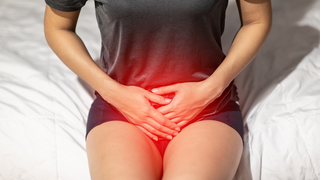
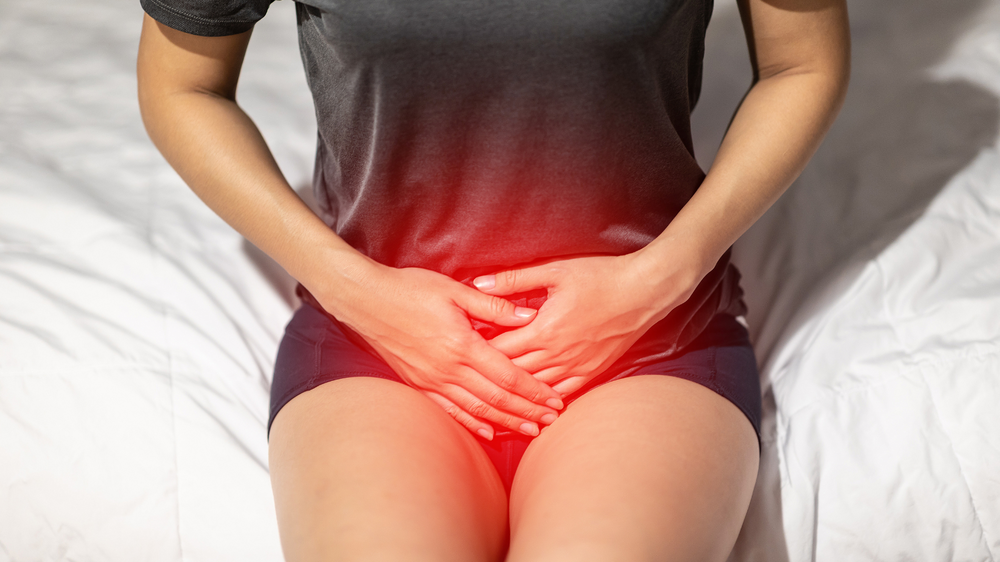
- Severe lower abdominal pain
- Red, swollen, or painful breasts
How Are These Infections Treated?
Postpartum infections are treatable with antibiotics, but remember to take your doctor's advice.
- Uterine or wound infections require oral or IV antibiotics and proper cleaning of the affected area
- UTIs are treated with safe antibiotics for breastfeeding mothers
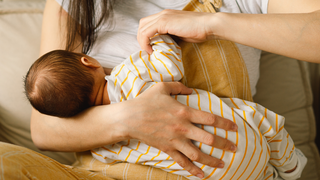
- Mastitis requires antibiotics, warm compresses, and breastfeeding to keep milk flowing
- Doctors prescribe antifungal creams or tablets to treat yeast infections
When Should You See a Doctor Immediately?
The following signs mean you need urgent medical help:
- High fever for more than 24 hours
- Pus or foul-smelling discharge
- Red, hot, or painful incision area
- Severe abdominal pain or swelling
- Difficulty breathing or feeling faint
What You Can Do Next: A Quick Checklist
- Check your body temperature daily for the first week
- Keep your stitches clean and dry
- Drink 8–10 glasses of water daily
- Get enough rest to help your body heal faster
- Do not skip postnatal checkups
The Emotional Side: Healing Beyond the Physical
Infections after delivery are common, but can also be stressful to deal with when you do not know how. They can impact your mind as well when all you want to do is tend to your newborn’s needs. Do not hesitate to express your feelings to your partner, family or doctor for guidance. There is nothing you did that caused this situation, but paying attention to recovery is the most critical thing in this period.
Your body works incredibly hard to bring life into the world, and it deserves gentle care after delivery. Postpartum infections can feel concerning, but most of them are treatable. You can take care of your health by recognising symptoms, maintaining hygiene, and staying in touch with your medical team.
Whether you’re pregnant, a new mom, or navigating postpartum, you don’t have to do it alone. Join our support group to connect, share, and support one another.
FAQs on Why Some Women Develop Infections After Delivery?
- How common are postpartum infections?
Postpartum infections are quite common after delivery, and around 5-10% of women experience them. The chances are higher with C-sections or complicated deliveries. - Can infections affect my baby?
Infections do not harm your baby. Severe infections with high fever and dehydration require antibiotics. Your doctor will suggest better feeding options in such cases, as some are not suitable while breastfeeding. - How long does it take to recover from a postpartum infection?
You may feel better after 7-10 days of treatment in most cases, but recovery time varies for everyone, depending on the type of infection. Complete your course of medicines as advised by your doctor to recover fully.