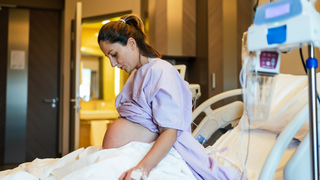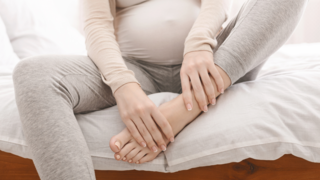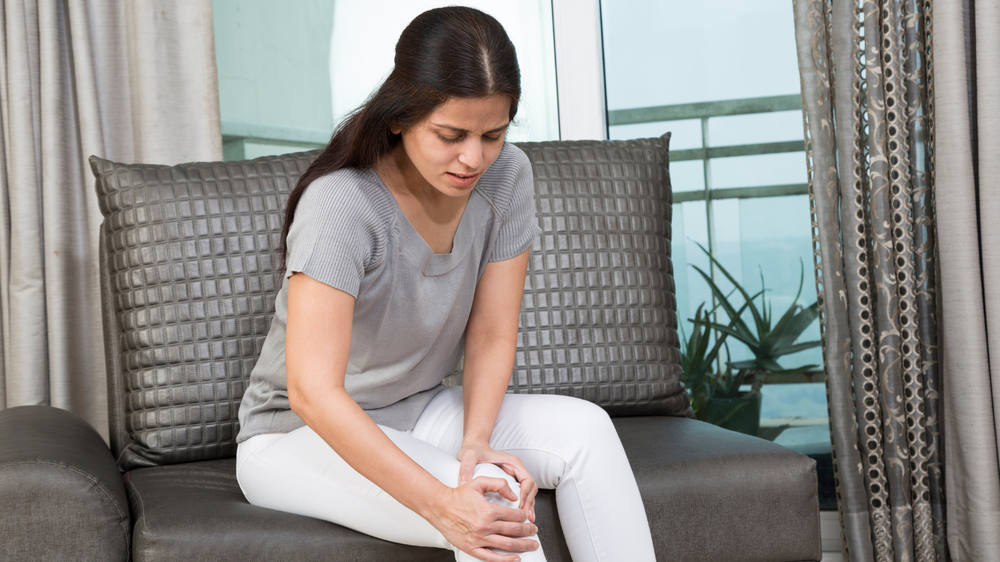
For some women, this loss can lead to a temporary condition called pregnancy- and lactation-associated osteoporosis (PLO). Although it is rare, PLO can cause bone pain, fractures, or ongoing weakness. Learning about this condition can help you take better care of your bones and avoid future problems.
What Exactly Is Osteoporosis After Pregnancy?
Osteoporosis means “porous bones”. It occurs when bones lose minerals, such as calcium, and become weak or brittle.
During pregnancy and breastfeeding, your baby needs more calcium. If your diet does not provide enough, your body takes calcium from your bones. Most of the time, bones regain their strength after breastfeeding ends, but sometimes this balance is not fully restored, which can lead to osteoporosis.
Think of your bones as a 'calcium bank.' During pregnancy and breastfeeding, your body makes large withdrawals. If you do not replace this calcium through food and healthy habits, your bone density can decrease.
When Does It Usually Occur?
Osteoporosis related to pregnancy generally appears:
- During the last trimester, when the baby’s bone growth peaks.
- Within the first 6–12 months after childbirth, especially during exclusive breastfeeding.
Who Is at Risk?
Not everyone experiences this condition, but certain factors increase vulnerability:
- Low calcium or vitamin D intake
- Frequent pregnancies with short recovery gaps
- Extended breastfeeding without adequate nutrition
- Sedentary lifestyle or lack of weight-bearing exercise
- Family history of osteoporosis
- Thyroid or hormonal imbalances
- Low body weight or restrictive diets
Signs and Symptoms to Watch For
Many people think early symptoms are just post-pregnancy tiredness or back strain. Still, your body often gives you small warning signs:
- Persistent lower back or hip pain
- Sudden sharp pain while lifting or bending
- Height loss or slight stooping
- Pain that worsens with movement
- Occasional fractures from minor falls
Understanding the Role of Hormones
Hormones, especially oestrogen, are important for bone strength. After childbirth, oestrogen levels drop for a while, especially if you are breastfeeding. This natural drop can slow down bone-building activity.
Usually, when your periods return, oestrogen levels go back to normal and help your bones recover. If this recovery takes longer or does not happen fully, it can lead to longer-lasting bone loss.
Simple Steps to Protect Bone Health
Building stronger bones does not have to be complicated. Being consistent and balanced is more important than making big changes.
1. Focus on Nutrition
Ensure your daily diet includes:- Calcium-rich foods: milk, curd, paneer, ragi, sesame seeds, amaranth, and leafy greens.
- Vitamin D sources: moderate sunlight exposure (15–20 minutes a day), fortified foods, or supplements if advised.
- Protein is essential for repairing bone structure. Include foods like pulses, dals, eggs, and nuts in your diet.
- Magnesium and phosphorus: found in whole grains and seeds, also support bone health.
2. Move for Stronger Bones
Bones get stronger when you move. Try these activities:- Weight-bearing exercises: brisk walking, stair climbing, or light jogging.
- Strength training: using light weights or resistance bands.
- Yoga or Pilates: improves balance and posture, reducing fall risk.
3. Mind Your Posture
After childbirth, your posture may change because of feeding, carrying, and caring for your baby. Poor posture can make back strain and bone discomfort worse.- Sit upright with back support.
- Use a pillow while feeding.
- Avoid bending forward suddenly.
4. Get Regular Health Checks
Annual check-ups for bone health are vital if you:- Had fractures during or after pregnancy
- Experienced prolonged breastfeeding
- Have a family history of osteoporosis
5. Rest and Recovery
Getting enough sleep and rest helps your body heal and rebuild bone tissue. Drinking enough water, using relaxation techniques, and managing stress are also important for recovery. Rest is a powerful part of bone repair.When to Seek Medical Help
Consult a doctor immediately if you:- Experience sharp, persistent bone pain
- Have a sudden fracture or noticeable height loss
- Feel severe fatigue or weakness despite rest
Pregnancy is a time when your body gives a lot to support new life. After your baby is born, it is just as important to take care of yourself.
By eating well, staying active, and paying attention to your body, you can rebuild your strength. Bone health is not just about getting older; it is about building resilience now for a stronger future.
Whether you’re pregnant, a new mom, or navigating postpartum, you don’t have to do it alone. Join our support group to connect, share, and support one another.
FAQs on Post-Pregnancy Bone Health: How to Prevent and Manage Osteoporosis Naturally
- Can breastfeeding cause long-term bone loss?
Breastfeeding temporarily lowers oestrogen levels, which can reduce bone density. However, this is usually reversible. Once breastfeeding stops and menstruation resumes, bone strength typically recovers within six to twelve months. The key is maintaining adequate calcium and vitamin D intake during and after breastfeeding to support natural bone growth and development. - Is osteoporosis after pregnancy hereditary?
While genetics can influence bone density, osteoporosis after pregnancy is mainly linked to nutrition, lifestyle, and hormonal changes. Having a family history may increase susceptibility, but it doesn’t guarantee the condition. A balanced diet, regular exercise, and early screening can help offset genetic risks and preserve lifelong bone health.