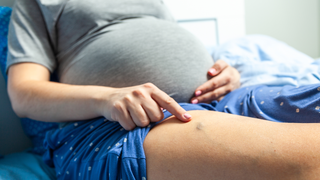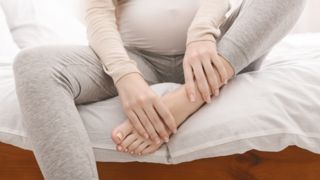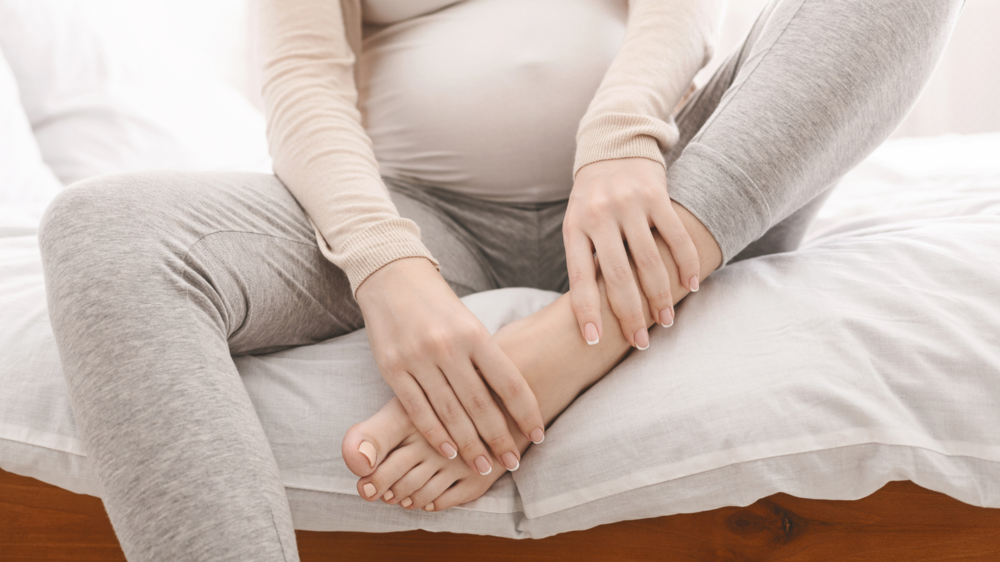
Understanding why these pains occur can help you manage them more effectively. The good news is that with a few simple habits, you can often find relief without needing medical treatment.
Why Knee and Foot Pain Happen During Pregnancy
1. Weight Gain and Pressure on Joints
- The growing baby naturally increases body weight.
- This additional weight puts pressure on the knees and feet, especially the arches.
- The knees may feel sore after standing, climbing stairs, or even after short walks.
2. Hormonal Changes and Joint Loosening
- Pregnancy hormones, especially relaxin, soften ligaments to prepare for childbirth.
- While this is necessary, it can make joints more flexible and less stable.
- The knees and ankles, which bear most of the body’s weight, can become strained easily.
3. Postural Shifts
- As the belly grows, posture naturally changes to balance the weight.
- This shift often increases pressure on the lower back, knees, and feet.
- Over time, it can cause mild swelling, stiffness, or pain during movement.
4. Water Retention and Swelling (Oedema)
- Fluid retention, widespread in Indian summers, can cause swollen feet and ankles.
- The added swelling can make walking painful or uncomfortable.
- Wearing tight footwear or standing for long periods worsens the discomfort.
5. Nutrient Deficiency
- Inadequate levels of calcium, vitamin D, and magnesium can impact bone and muscle health.
- Iron deficiency can also cause fatigue, leading to poor posture and additional strain on joints.
Simple Fixes for Knee and Foot Pain
1. Stay Active – But Gently
Regular, light movement can ease stiffness and improve circulation.Try:
- Prenatal yoga: Enhances flexibility and relieves joint stress.
- Walking: A short 15–20 minute walk daily improves blood flow.
- Ankle and knee rotations: Keep joints mobile and reduce swelling.
- Standing or sitting for too long.
- High-impact exercises like jumping or running.
2. Mind Your Posture
Minor corrections can prevent major discomfort:- Keep your back straight and shoulders relaxed.
- When sitting, rest your feet on a small stool to reduce pressure.
- Avoid crossing legs, as it may affect circulation.
- When lying down, place a small pillow between your knees for support.
3. Foot Elevation and Massage
- Elevate your feet for 10–15 minutes several times a day.
- Gentle foot massage with mild pressure helps reduce swelling and relax tired muscles.
- Focus on the arches, heels, and ankles.
4. Wear Supportive Footwear
Footwear makes a major difference during pregnancy.Choose:
- Soft, cushioned slippers or sandals.
- Flat, arch-supporting soles instead of heels.
- Breathable materials that allow air circulation, especially in humid weather.
5. Warm and Cold Compress
- Use a warm compress on the knees to relieve stiffness.
- For swollen feet, a cold compress helps reduce inflammation.
- Alternate between the two for balanced relief.
6. Balanced Diet for Bone and Muscle Strength
Include foods rich in:- Calcium: Ragi, sesame seeds, curd, and paneer.
- Vitamin D: Sun exposure for 15–20 minutes a day.
- Iron: Spinach, jaggery, dates, and lentils.
- Magnesium: Bananas, almonds, and leafy greens.
7. Rest Smartly
Rest is as crucial as movement.- Avoid long hours of standing or sitting.
- Sleep on your left side to improve circulation.
- Use supportive cushions or pregnancy pillows for comfort.
8. Gentle Stretching Before Bedtime
Simple stretches can prevent morning stiffness:- Flex and point your toes several times.
- Roll ankles slowly in circles.
- Lightly stretch the calves against a wall.
9. Mindful Weight Management
Healthy, gradual weight gain supports both parent and baby.- Eat balanced meals with whole grains, fruits, and vegetables.
- Avoid overeating or processed foods high in salt and sugar.
- Regular prenatal check-ups help track weight safely.
10. When to Seek Medical Help
Pain is common, but if you notice:- Sudden or severe swelling in one leg,
- Redness, warmth, or visible veins,
- Sharp or ongoing joint pain, it should be reported to a healthcare professional immediately.
Knee and foot pain during pregnancy are natural outcomes of the body’s changing structure and hormonal adjustments. With gentle movement, good rest, balanced nutrition, and the right footwear, you can ease much of the discomfort. Listening to your body is important. When you pay attention and care for it, your body often responds well.
Whether you’re pregnant, a new mom, or navigating postpartum, you don’t have to do it alone. Join our support group to connect, share, and support one another.
FAQs on Knee and Foot Pain During Pregnancy: Causes, Relief Tips, and Simple Indian Remedies
- Can knee and foot pain continue after childbirth?
Yes, in some cases, mild knee and foot pain may continue for a few weeks after delivery. This happens because hormones like relaxin stay in the body for some time, keeping joints slightly loose. Additionally, carrying or feeding the baby may strain the same joints. Gentle postnatal exercises, a balanced diet, and a gradual increase in activity can help restore strength and stability over time. If the pain lasts beyond two months, consulting a physiotherapist can be beneficial. - Are home remedies safe for managing pain during pregnancy?
Most home remedies, such as warm compresses, gentle massage, or simple stretches, are safe when used carefully and moderately. However, avoid deep tissue massage or applying intense pressure on swollen areas. Always ensure comfort and stop any practice that increases pain. Natural approaches are most effective when combined with rest, hydration, and a balanced routine. It’s also wise to consult a healthcare provider before trying anything new, especially in the later months of pregnancy.