In this article:
You're not alone. These cravings are real and surprisingly common during pregnancy. But they could also be a sign of pica, a condition where your body craves non-food substances. While many in India casually joke about mitti cravings or pagophagia (ice chewing), pica isn’t harmless. It often points to something your body desperately needs or a kind of control your mind is searching for.
Let’s explore what’s really happening underneath these urges.
What Is Pica and Why It Feels So Compelling
Pica is a recognised condition where you repeatedly crave and sometimes eat non-nutritive substances. These might include:- Ice (pagophagia)
- Clay or mitti (geophagia)
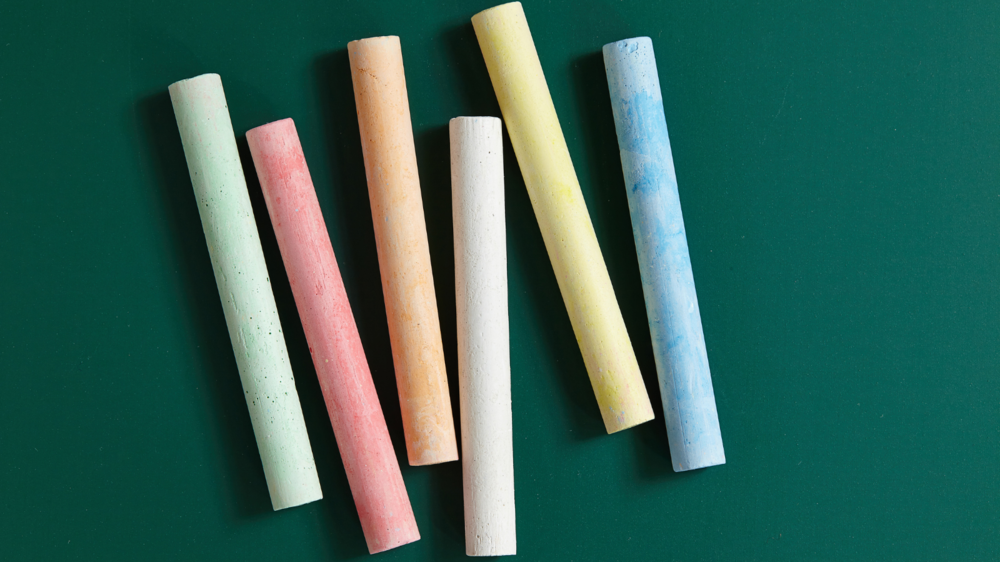
- Chalk
- Raw rice
- Toothpaste
- Paper or ash
In India, the line between cultural habit and medical concern often gets blurred. Craving mitti is sometimes brushed off by family as “normal” or even desirable. But that doesn’t make it safe or emotionally easy to navigate.
Why Pica Cravings Matter in Pregnancy
These cravings aren’t just quirky. They’re often trying to tell you something.- Iron deficiency (especially anaemia): The most common medical reason behind pica, particularly ice chewing. Studies have shown that pagophagia often improves when iron levels are corrected.
- Zinc or calcium deficiency: Clay and chalk cravings may be your body’s attempt to correct a mineral imbalance.
- Chronic stress or trauma: For some, pica becomes a coping mechanism, a way to soothe internal distress through oral or tactile stimulation.
- Sensory-seeking behaviour: The cool crunch of ice, the dry texture of chalk, or the earthy smell of mitti can provide relief to pregnant bodies overwhelmed by hormonal shifts.
When left unaddressed, these cravings can cause:
- Dental damage from chewing ice or chalk
- Constipation or intestinal blockages from clay or mud ingestion
- Parasite exposure from contaminated soil
- Lead poisoning if ingesting old paint chips or certain clays
How to Know If What You’re Craving Is Actually Pica
Here’s how to differentiate between unusual cravings and clinical pica:- You feel a persistent urge to chew or eat something non-food for weeks, not just once or twice.
- The craving feels compulsive. You may hide it from others, feel guilty afterwards, or struggle to stop.
- You experience relief, comfort, or focus from the action (e.g., chewing ice eases your irritability).
- The craving is not linked to hunger or pleasure. It's about texture, sensation, or relief.
- It disrupts your daily life. You plan your day around it or go out of your way to get the item.
What Might Be Causing It
- Iron-deficiency anaemia:One of the most documented links to pagophagia (ice chewing). The craving often stops once iron levels are restored.
- Zinc or calcium deficiency: Especially linked to chalk or clay cravings.
- Hormonal shifts – Pregnancy changes how your brain processes taste, texture, and appetite cues.
- Stress, trauma, or a history of disordered eating: Cravings for control or emotional regulation can show up as pica.
- Cultural normalisation: In India, some communities view mitti-eating as benign or even beneficial, delaying diagnosis and treatment.
How Pica Is Diagnosed
There’s no “pica test,” but diagnosis usually includes:- Detailed history: Your doctor will ask about the frequency, type, and impact of the craving.
- Nutritional blood work: Especially serum iron, ferritin, haemoglobin, zinc, calcium, and vitamin D.
- Mental health screening: Especially if pica is linked to anxiety, depression, or OCD tendencies.
- Cultural context review: Your healthcare provider may consider cultural norms, but chronic pica is diagnosed if the behaviour puts health at risk.
What You Can Do: Treatment and Support
- Correct the deficiency: If iron, zinc, or calcium levels are low, supplements or dietary changes can reduce pica cravings dramatically. Pagophagia, in particular, responds quickly to iron therapy.
- Keep a craving journal: Track when the craving arises, what you’re doing, and how you feel. This helps identify emotional or physical triggers.
- Get support for emotional drivers: Therapies like CBT (Cognitive Behavioural Therapy) are useful for breaking the compulsion loop, especially if cravings are tied to anxiety, trauma, or control.
- Substitute oral stimulation: Chewing sugar-free gum, sucking on ice chips (instead of blocks), or using crunchy vegetables like cucumber sticks can offer safer alternatives.
- Avoid unsafe cultural remedies: Avoid ingesting mitti sold in unregulated markets or home-prepared chalk. These may contain lead, arsenic, or other toxins.
- Speak openly to your doctor: If you're scared to bring it up, start by saying: “I’ve been having cravings that don’t feel like food. Could it be linked to my blood levels?”
When to Get Help Immediately
- You’ve eaten soil, soap, ash, or any substance with potential toxins.
- You’re experiencing constipation, pain, or GI distress after a craving episode.
- You’ve recently stopped eating meals in favour of your cravings.
- You’re feeling ashamed, scared, or alone about your behaviour.
- You’re afraid to tell anyone, including your doctor.
Pica might make you feel strange, ashamed, or even scared, but your body is likely signalling something real. Whether it’s iron deficiency, emotional distress, or a sensory need, your craving deserves attention, not judgment. With the right help, you can uncover the root cause, protect your health, and feel more in control of your pregnancy journey.
FAQs on Why You Might Suddenly Crave Ice, Clay, or Chalk
- Does craving ice always mean I have anaemia?
Not always, but persistent ice chewing (pagophagia) is strongly linked to iron deficiency. A simple blood test can confirm this. - Is it safe to eat mitti or chalk if it's “natural”?
No. Even “natural” clay or chalk can contain bacteria, parasites, or heavy metals. Eating them may cause infection, lead toxicity, or digestive issues. - Will my cravings go away after birth?
Often, yes—especially if they were linked to nutritional deficiencies. But if pica persists postpartum, it’s worth rechecking labs or seeking mental health support. - Should I tell my gynaecologist about this?
Absolutely. Pica is more common than you think, and your doctor can check for deficiencies or refer you to additional support.