In this article:
When Does Your Baby Become a Toddler?
Your baby officially becomes a toddler between the ages of 1 and 3. The moment your little one celebrates their first birthday, they’re often considered to have crossed into the toddlerhood stage.What really makes this stage special isn’t just the age, but the way your child starts picking up skills, showing new behaviours, and letting their personality shine through.
By age 3, they’ll be ready to move into the preschooler phase. But for now, toddlerhood is all about exploration and independence.
Signs Your Baby is Now a Toddler
You might notice your baby isn’t quite a baby anymore when they start showing certain behaviours or skills. These are some clear signs that your little one is stepping into the toddlerhood stage:- Walking and moving independently: Those first wobbly steps quickly turn into running, climbing, and even daring jumps from the couch. Suddenly, the whole room becomes their playground.
- Saying “no” a lot: Toddlers love the word “no”! It’s their way of testing boundaries and showing they have their own preferences. Don’t be surprised if they refuse the clothes you pick or the food you offer.
- Wanting to do things themselves: Simple things like putting on shoes or brushing teeth become battles of “I’ll do it myself.” It’s their way of learning control.
- Using gestures to communicate: Waving, clapping, and pointing at toys or snacks are big signals. They’re figuring out how to get their message across without always needing words.
- Developing a personality: Your toddler’s unique traits become noticeable. Are they silly, serious, or super active? You’ll see their personality come alive as they figure out who they are.
- Imaginative play: Dolls, cars, or even a spoon can become part of their little stories. Their imagination opens up in the sweetest ways.
- Learning through repetition: Singing songs, counting toys, or playing games helps toddlers memorise numbers and letters. They love repeating things to learn.
Toddlerhood Developmental Milestones to Watch For
As your toddler grows between ages 1 and 3, you’ll see some big milestones in the way they grow and learn.Here’s what to expect at different stages:
15 to 18 Months
Your toddler is starting to express themselves more and gain physical skills. You might notice:- Using simple words like “mama” or “papa” to communicate.
- Following basic instructions, like “sit down.”
- Walking and maybe even starting to run.
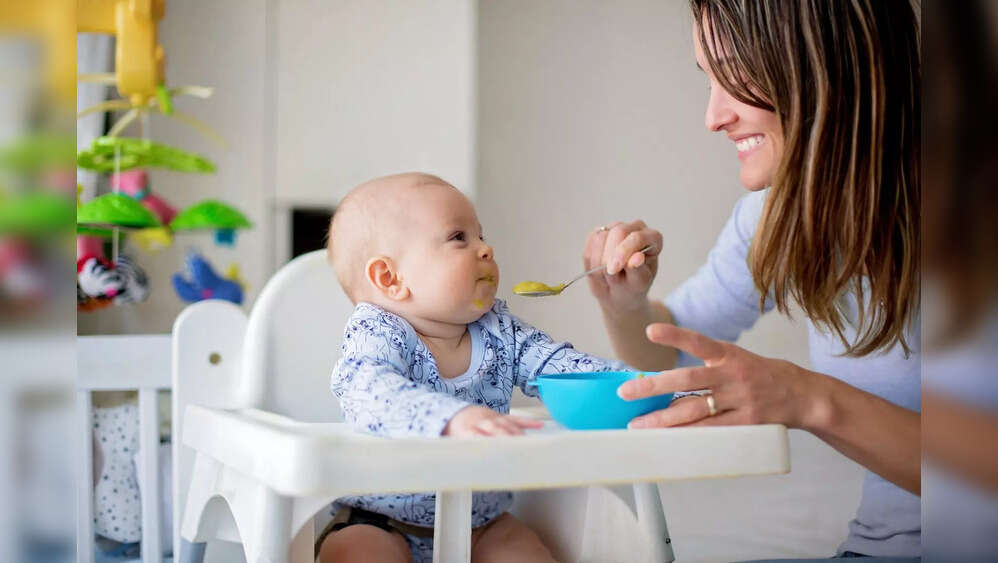
- Eating with a spoon or drinking from a cup.
2 Years
By the time your toddler turns 2, you’ll notice they are a bundle of energy and emotions:- Speak in short sentences, like “want milk.”
- Copy adults or older kids, learning by imitating.
- Play next to other children (though they might not fully interact yet).
- Climb furniture or stand on tiptoes.
- Name shapes and colours.
3 Years
By 3, your toddler is becoming a little person with big ideas:- Talking in sentences that others can mostly understand.
- Running, climbing, and walking up stairs.
- Playing with others and taking turns during games.
- Asking “why” all the time (get ready for endless questions!).
Changes in Behaviour, Appetite, and Routines
This is what you might notice:- Behaviour changes: Your toddler is starting to figure out who they are, which means testing limits. You’ll notice quick mood changes, happy one moment and in tears the next. They might latch onto a favourite toy or copy the actions of people around them.
- Appetite changes: Food preferences can feel unpredictable, and their appetite might change from day to day. One week, they love bananas, the next, they refuse them. This is the perfect time to introduce different options like soft fruits or steamed veggies to see what they like.
- Routine struggles: Toddlers often resist routines like bedtime or getting dressed because they want control. You might struggle to get them to sit still or go to sleep. Stay consistent, but give them small choices to give them a sense of independence.
Safety Tips for Toddlerhood Stage
Keeping your toddler safe is super important when your toddler becomes more active.
These are some key safety tips:
- Keep toxic items out of reach and never store them in food-like containers.
- Cut round foods (like grapes) into small pieces to avoid choking.
- Tape down electrical cords and cover outlets.
- Never leave your toddler alone near water or outside without supervision.
- Make sure they wear a helmet when riding a bike.
- Teach them about stranger safety and how to dial emergency numbers.
- Turn pot handles inward on the stove to avoid accidents.
Preparing Your Toddler for Preschool
Your toddler might be getting ready for preschool around age 3. Help them practice these skills:- Expressing what they want or need clearly.
- Listening without getting distracted.
- Recognising basic letters and numbers.
- Using polite words like “please” and “thank you.”
Cognitive Activities to Boost Toddlerhood Development
Try these activities to help them develop cognitive skills:- Tell stories or play pretend with dolls and toys.
- Work on simple puzzles with a few pieces.
- Draw with crayons.
- Hide objects and let them find them.
- Sort toys by size or colour.
- Sing nursery rhymes or count together.
Whether you’re pregnant, a new mom, or navigating postpartum, you don’t have to do it alone. Join our support group to connect, share, and support one another.
FAQs on A Parent's Guide To Understanding When Your Baby Becomes a Toddler
- When should I start toilet training my toddler?
You can start when your toddler shows signs of readiness, usually between 18 and 30 months. - How much screen time is OK for toddlers?
Limit screen time to about 1 hour per day of high-quality educational content. Always co-watch when possible.