A baby's gut microbiome is the community of tiny, helpful bacteria that live in their digestive system. These small organisms help the body fight off infections, digest milk, and build the immune system. When a baby is born through the vagina, they naturally pick up good bacteria from the mother's birth canal. During a C-section delivery, this process differs, which is why the initial gut composition may vary. This difference is temporary, and with the right nurturing, a baby’s gut can become strong and diverse in the early months.
In this article:
How a C Section Birth Influences Gut Bacteria
When a baby is delivered via childbirth, their first exposure is to the mother’s natural microbiota. These early microbes play a crucial role in shaping the baby’s immune responses and supporting digestive development.
During a C-section, babies are exposed mainly to the bacteria present in the operating environment and the mother’s skin instead of vaginal flora. This results in a distinct starting pattern in the gut microbiome. Research shows that C-section babies may have lower levels of healthy bacteria, such as Bifidobacteria, in the early weeks of life.
Parents must understand that the initial difference in gut microbiome is not a cause for alarm. With a bit of extra support during the early months, the microbiome can become balanced and resilient, providing parents with reassurance and peace of mind.
Why the Gut Microbiome Matters
The gut microbiome is essential for a baby's growth and immune system. It helps with:
- Keeping infections at bay
- Digestion and taking in nutrients
- Lessening inflammation
- How the gut-brain connection helps the brain grow
- Developing immunity over time
A well-developed gut microbiome has been linked to healthier digestion, fewer allergies, and better immune balance as the child grows.
How Parents Can Support Gut Health After a C Section
The good news is that a baby's microbiome can change and grow quickly in the first year. Parents can help build a firm foundation for gut health by being careful and making wise choices. It will give them hope and optimism.
Breastfeed when you can
People often call breast milk the first probiotic for babies. It has natural prebiotics and protective substances that help healthy gut bacteria grow. Babies born by C-section greatly benefit from early and frequent breastfeeding, as it encourages gut diversity and supports immunity. This knowledge empowers parents to make the best feeding choices for their baby's gut health.If breastfeeding is challenging at first, parents can work with a lactation consultant, as even partial breastfeeding has measurable benefits for gut development.
Skin to Skin Contact
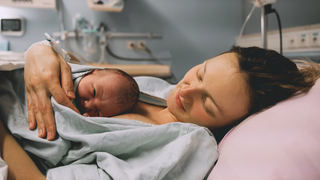
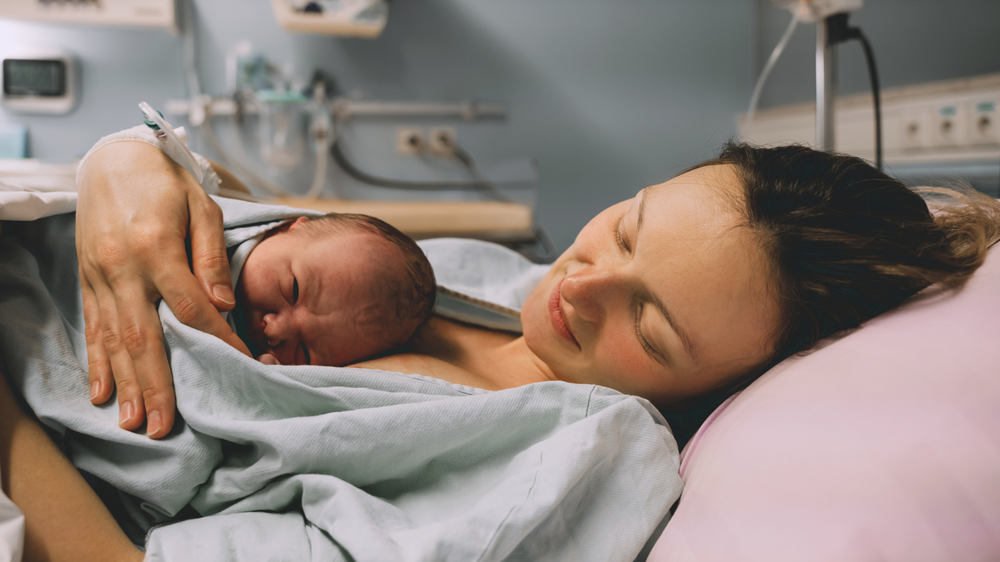
Skin-to-skin contact helps move good bacteria from the mother to the baby. This easy thing to do also keeps the baby's breathing, temperature, and stress levels in check. It helps newborns who have had a C-section and might not have been exposed to microbes right away.
Introducing Probiotics with the Help of a Doctor
Some paediatricians may suggest probiotics that are safe for newborns to support gut health in C-section babies. These supplements are meant to support the growth of beneficial bacteria in the gut. Parents should only give their babies probiotics if their doctor approves.
Responsive Feeding and Gentle Digestion
Eating when you want to helps keep your digestive system healthy. Babies who eat when they are hungry tend to have better communication between their gut and brain. Burping the baby after meals, keeping them upright for a few minutes, and not rushing through feedings are also suitable for their digestive health.
Not Taking Antibiotics That Aren't Necessary
Antibiotics can save lives when needed, but they can also temporarily reduce the number of bacteria in the gut. Parents should talk to their doctor to find out whether their newborn needs antibiotics to treat the problem. When antibiotics are necessary, supportive measures such as breastfeeding become even more critical.
How the Microbiome Changes Over Time
The initial microbiome differences seen in C-section babies usually even out by 6 to 12 months. As babies grow and begin breastfeeding, their skin contact and exposure to home environments naturally increase their microbial diversity.
The introduction of solid foods typically adds another layer of beneficial bacteria. Foods like lentils, mild yoghurts, bananas, and oats help gently nurture the gut. Babies gradually develop stronger microbiomes and immune systems, regardless of birth method, when provided with supportive care.
Should Parents Worry About the Microbiome Gap
Parents need to understand that a C-section does not mean a baby will have weak immunity or long-term health problems. Modern research shows that early microbiome differences are natural and correctable, helping parents feel less worried and more confident in their ability to support their baby’s long-term health.
Parents should feel empowered, not worried. With love, nutrition, and bonding, the microbiome naturally becomes balanced. Remember, it's the supportive care that matters most.
When to Consult a Doctor
Parents should speak to a paediatrician if they notice:
- Persistent digestive issues
- Unusual fussiness after feeds
- Recurrent infections
- Poor weight gain
- Signs of food intolerance
These concerns do not directly relate to a C-section microbiome but may benefit from early medical guidance.
Whether you’re pregnant, a new mom, or navigating postpartum, you don’t have to do it alone. Join our support group to connect, share, and support one another.
FAQs on Baby Gut Microbiome After C Section: What Parents Should Know
- Is a C-section harmful to a baby’s gut health?
No. It only changes the early pattern of gut bacteria. With breastfeeding and bonding, the microbiome develops well. - Can I restore my baby’s microbiome naturally?
Yes. Breastfeeding, skin contact, gentle feeding, and doctor-approved probiotics all help. - Do C-section babies have weaker immunity?
Not necessarily. With supportive care, the immunity strengthens within months.