In this article:
The Science of Touch and Infant Development
Human touch is essential for survival. Research by child development specialists shows that babies who receive regular skin-to-skin contact cry less and sleep better. Touch signals the brain through nerve endings in the skin, which then releases oxytocin, a hormone associated with love and bonding. This hormone not only calms your baby down but also helps counter stress hormones like cortisol. The baby is now safe, calm, and ready to explore the world.Physical Health Benefits of Baby Massage
Massage is not only an emotional experience but also a form of physical therapy that nurtures the body from head to toe.- Better Sleep Patterns – A consistent massage routine before bedtime helps release serotonin that later converts into melatonin, the hormone that regulates sleep. Babies who are massaged regularly often fall asleep faster and stay asleep longer.
- Improved Digestion – Gentle clockwise strokes on the tummy help relieve gas and colic discomfort. The pressure helps move trapped air and aids digestion.
- Stronger Muscles and Flexibility – Massage strengthens developing muscles and joints. Regular movement of the legs and arms during massage helps to improve coordination and muscle tone.
- Boosted Circulation – Smooth strokes along the limbs and back promote blood flow, delivering oxygen and nutrients to growing tissues.
- Healthy Weight Gain – Studies from neonatal care units show that premature babies who receive regular massage gain weight more rapidly due to better metabolism and absorption of nutrients.
Emotional and Cognitive Growth
Massage has emotional benefits from a young age, in addition to physical ones. When you touch your baby and show them you love them, it strengthens neural connections in their emotional centres. It is the basis for trust and empathy later in life. Babies who receive responsive care are more curious and engaged during playtime, which helps them form a deeper connection with their caregivers.Traditional Wisdom Meets Modern Science
Newborn massage is a part of postnatal care and has traditionally been practised in many parts of India. Almost every morning, newborns are massaged with warm oil, such as coconut, mustard, or sesame, by their grandmothers or caregivers. Modern paediatricians now know that these practices offer tangible health benefits when performed safely: the warm oil helps maintain body temperature, moisturises the delicate skin, and improves muscle elasticity.Choosing the Right Oil
Be careful when picking the right oil for your baby's massage. Not every oil is safe for every baby. Choose cold-pressed oils that are gentle and free from added scents or chemicals. When it's warm outside, coconut oil is most effective. When it's cool outside, olive or almond oil works best. If your baby's skin is sensitive, always do a patch test on their wrist or ankle. Also, keep in mind that mustard oil can be harsh on sensitive skin, so it is best to avoid using it on very young babies.Your baby’s skin is like a sponge that absorbs what you apply. Natural edible-grade oils are safest. Avoid mineral oils or petroleum-based products. The simpler the ingredient list, the better it is for your baby.
Creating the Perfect Massage Routine
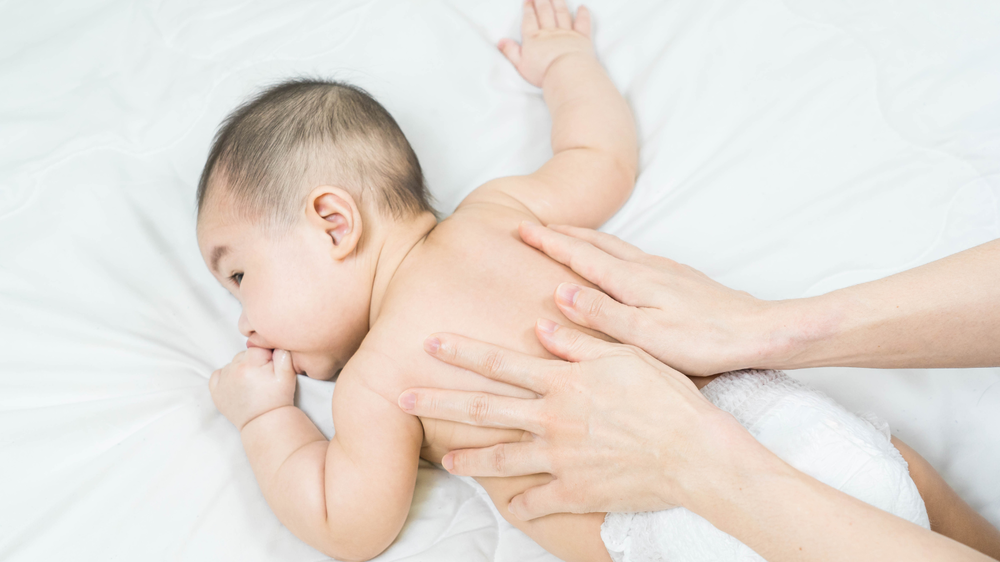
It's essential to set up the right space for a massage. Pick a room that is quiet and has soft, warm light. Make sure your baby is awake but not hungry or tired. Place a soft towel or mat down and rub the oil between your hands to warm it slightly. As you move, start by lightly stroking from head to toe and speaking softly. This quiet place will make things better for both you and your baby.Start with the legs and feet, then the arms, chest, tummy, and finally the back. Watch your baby’s reactions closely. Smiles, coos, and relaxed limbs mean they are enjoying it. If your baby turns away, fusses, or cries, pause and try later. The goal is comfort, not perfection.
When to Avoid Massage
Although massage is generally safe for most babies, there are times when it should be avoided. Skip the massage if your baby has a fever, rash, open wounds, or has just been vaccinated, as the area may be sore. If your baby was born prematurely or has any medical condition, seek guidance from your paediatrician before starting a routine. These practices ensure your baby's safety and comfort during the massage, giving you peace of mind.The Parent-Baby Connection
Many new parents discover that massage therapy benefits both them and their baby. This shared experience makes both the parent and the child feel warm and close, releasing oxytocin. It allows parents to pay more attention to what their baby is trying to say, which gives them more confidence in their ability to care for their child. Fathers often find massage especially helpful, as it provides a meaningful way to bond and grow comfortable during the early months of parenting. For mothers recovering from childbirth, massage offers a calm, mindful break — shifting the focus from fatigue to connection and helping restore emotional strength during the postpartum period.How Massage Supports Long-Term Development
A child’s earliest experiences shape how they relate to the world. A gentle, consistent touch gives babies a sense of security, encouraging exploration. People who receive regular massages tend to smile more, interact more effectively, and manage stress more healthily. These benefits can help people improve their socialising and learning skills over time. Regular touch also enhances proprioception, a child’s sense of body awareness, supporting balance, coordination, and physical confidence as they learn to crawl, stand, and take their first steps.Tips for Parents Starting Out
- Keep nails trimmed and hands warm.
- Maintain eye contact and talk or sing while massaging.
- Massage before bath time or bedtime for better relaxation.
- Be consistent but flexible. Some days your baby may not be in the mood.
Emotional Support for Parents
Advice and expectations abound in parenthood, but trust yourself; nobody knows your baby like you do. There is no perfect technique. What counts is the love and attention you bring to the moment. Even a five-minute touching routine is valuable. When you feel overwhelmed, take a moment to step back. You can share massage time between both parents or include grandparents. This simple act becomes a family bonding experience that celebrates life and love.Whether you’re pregnant, a new mom, or navigating postpartum, you don’t have to do it alone. Join our support group to connect, share, and support one another.
FAQs on Baby Massage Benefits: Science Behind Every Touch
- How early can I start massaging my baby?
You can begin once the umbilical cord stump has healed, usually after the first two weeks. - What is the best time of day for baby massage?
Morning or before bedtime works best. Choose a time when your baby is calm and alert. - Can massage help with colic and gas?
Yes. Gentle, clockwise strokes on the abdomen can help relieve trapped gas and ease discomfort.