In this article:
Understanding Prenatal Yoga
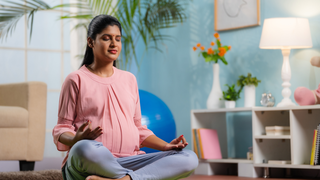
Prenatal yoga is a type of practice that has been modified to be safe for pregnant women. It focuses on relaxing, stretching, and breathing.The advantages of yoga during pregnancy:
- Improves flexibility by keeping joints flexible and easing stiffness.
- Lessens back pain by strengthening the core and pelvic muscles, which helps support the growing bump.
- Deep breathing helps both the mother and baby get more oxygen.
- Reduces cortisol (the stress hormone) and helps keep emotions in check.
- Mindfulness and controlled breathing can help with contractions.
The best yoga poses for pregnant women are
- Cat-Cow stretch (to make your spine more flexible)
- Supported Warrior II (to build strength and balance)
- Bound Angle Pose (to open up the pelvis)
- Savasana on your side (for rest)
Don't lie flat on your back after the first trimester or do deep backbends or twists.
Understanding Prenatal Pilates
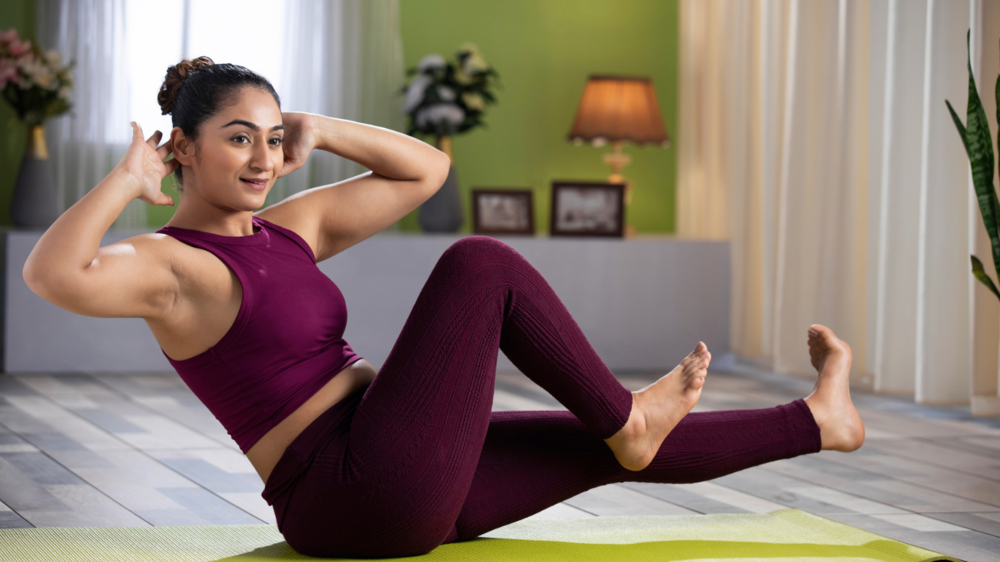
Prenatal Pilates focuses on strengthening the core, improving posture, and enhancing balance —all essential for carrying your baby comfortably and supporting your body during labour.Benefits of prenatal Pilates:
- Builds endurance and pelvic floor strength.
- Prevents lower back and hip pain.
- Improves circulation and reduces leg swelling.
- Helps maintain healthy weight gain.
- Speeds up postpartum recovery by strengthening the right muscles early on.
Pilates uses controlled, precise movements with breathing to stabilise the core without strain. Safe Pilates exercises during pregnancy:
- Pelvic tilts and bridges
- Seated leg lifts
- Modified side planks
- Arm and shoulder mobility movements
- Gentle Kegel exercises
The Mind-Body Connection in Prenatal Fitness
Both yoga and Pilates encourage mindfulness and awareness of your body, breath, and emotions. This connection builds resilience and calm, helping you feel in control throughout pregnancy and birth.Regular practice also enhances sleep, reduces anxiety, and boosts endorphins — the body’s natural “happy hormones.” Women who practise mindful movement in pregnancy often report a stronger sense of confidence, fewer mood swings, and smoother labour experiences.
Safety Guidelines Before Starting Prenatal Exercise
Always consult your gynaecologist before starting any fitness programme.Each pregnancy is unique, and your doctor can help tailor the right intensity and frequency to suit you. General safety tips:
Avoid lying flat after 20 weeks, as it can reduce blood flow to the uterus.
- Stay hydrated before, during, and after workouts.
- Stop immediately if you feel dizzy, experience contractions, or notice unusual discharge.
- Use props like blocks, bolsters, or pillows for comfort.
- Practise on a non-slip mat and avoid heated or intense yoga sessions.
- If you were not exercising before pregnancy, start slow and build up gradually.
What Science Says About Prenatal Yoga and Pilates
Modern research confirms the benefits of prenatal yoga and Pilates in improving maternal health. Studies show:- Women who do regular yoga experience lower levels of stress and anxiety.
- Pilates helps strengthen the pelvic floor muscles, reducing the risk of urinary incontinence after delivery.
- Mindful movement lowers the need for medical interventions during labour.
- Both practices improve sleep and reduce musculoskeletal discomfort.
How to Choose the Right Class or Instructor
Look for certified instructors trained in prenatal fitness. A good instructor will:- Modify poses and movements according to your trimester.
- Teach correct breathing and alignment.
- Emphasise comfort and body awareness.
- Avoid high-impact or unsafe transitions.
Pairing Nutrition and Movement
Workout performs best when supported by proper nutrition. Include:- Protein-rich foods, such as eggs, lentils, tofu, and dairy products, can support muscle recovery.
- Complex carbohydrates for sustained energy during workouts.
- Iron and folate for oxygen supply.
- Hydrate yourself with at least 8–10 glasses of water daily.
- Avoid exercising on an empty stomach.
- A light snack, such as fruit or yoghurt, before class helps maintain energy levels.
The Emotional Reward of Staying Active
Beyond physical strength, prenatal yoga and Pilates offer emotional grounding. The quiet focus, rhythmic breathing, and gentle movements create space for inner calm. It helps you connect not only with your body but also with your baby.Many mothers describe it as a meditative bonding experience — a time when they can pause, breathe, and feel their baby move.
This mindfulness carries into motherhood, helping you stay patient and centred amid sleepless nights and new routines.
Pregnancy doesn’t mean slowing down; it means moving with purpose. Yoga and Pilates are not just workouts; they’re holistic practices that align your mind, body, and baby in harmony.
You can prepare your body for labour, calm your mind for motherhood, and create a safe space for your newborn's development by moving in a safe and guided way. It's not how hard you work; it's how often you do it. Be aware of how you move, breathe with purpose, and trust your body's knowledge. A mother who is strong and calm gives her child an enjoyable start.
Whether you’re pregnant, a new mom, or navigating postpartum, you don’t have to do it alone. Join our support group to connect, share, and support one another.
FAQs on Prenatal Pilates & Yoga: Trending Safe Workouts for Pregnant Women
- Can I start yoga or Pilates if I’ve never done them before?
Yes, beginners can start with prenatal classes designed specifically for pregnancy. Always inform your instructor about your trimester. - When should I stop exercising during pregnancy?
You can continue until the final weeks unless your doctor advises otherwise. Adjust intensity as your body changes. - Is it safe to lie on my back during yoga or Pilates?
Avoid prolonged back-lying after 20 weeks to prevent restricted blood flow. Modify positions with side-lying or propped support.