In this article:
What Exactly Is VBAC?
VBAC stands for "Vaginal Birth After Cesarean." It means that you give birth through the birth canal after having a cesarean delivery. People used to think that "once a C-section, always a C-section." But now, studies show that 60–80% of women who try to have a VBAC end up having a successful vaginal birth.Your candidacy for VBAC depends on things including your previous surgical scar, your overall health, and the cause for your initial C-section.
Why Consider a VBAC?
Choosing a VBAC can have several benefits, both physically and emotionally:- Shorter recovery time – You usually recover faster than after a C-section and can get back on your feet sooner
- Less pain after birth – No surgical incision means less discomfort in the postpartum period
- Lower risk in future pregnancies – Avoiding multiple C-sections reduces complications like placenta previa or placenta accreta
- Emotional satisfaction – It gives feelings of empowerment and pride after a successful VBAC experience
Who Can Try for a VBAC?
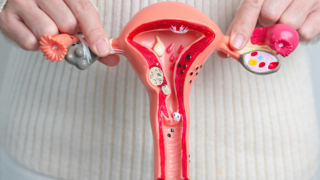
Not everyone is a candidate for VBAC, and that’s perfectly okay. You can discuss your suitability with your doctor, but in general, VBAC may be possible if:- You had only one previous C-section with a low transverse (horizontal) uterine incision
- Your previous C-section wasn’t due to a recurring issue (like a narrow pelvis)
- You don’t have pregnancy complications such as placenta previa or breech presentation
- You have access to a hospital that can perform an emergency C-section, if required
What Are the Risks of VBAC?
You should be aware of the risks that accompany VBAC, even though it has many benefits. The most significant one is uterine rupture, which occurred in roughly 0.5–1% of VBAC attempts. This implies that the scar from your past C-section could tear when you're in labour, which could be bad for both you and your baby.Other possible risks include:
- Emergency C-section if labour doesn’t progress
- Heavy bleeding or infection
- Minor tearing in the vaginal or uterine tissue
How Can You Increase the Chances of a Successful VBAC?
Success often depends on preparation and medical supervision. Here are a few things that can make a difference:- Choose an experienced hospital and doctor – Select a healthcare facility equipped for both VBAC and emergency C-sections
- Keep a healthy weight – Having a healthy BMI tends to have better VBAC outcomes
- Stay active during pregnancy – Gentle exercises like walking or prenatal yoga improve stamina for labour
- Maintain good spacing between pregnancies – A gap of at least 18–24 months after your last C-section helps the uterine scar heal well
- Go into labour naturally – Spontaneous labour increases VBAC success, while induced labour may raise the risk of complications
What Happens During a VBAC Attempt?
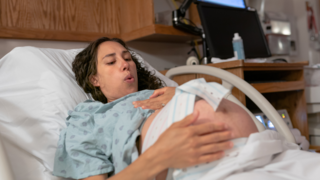
Your doctor will keep a careful eye on your baby's heart rate and your contractions throughout a VBAC. If all goes well, you'll have a vaginal birth like any other mother.But if you show signs of distress or difficulties, your medical team may immediately decide to do a C-section for your protection. Having a hospital that is ready and willing to help makes this process go smoothly and safely.
When Should You Avoid Trying VBAC?
There are certain situations where a repeat C-section is a safer option. You may need to avoid VBAC if:- You had a vertical uterine incision in your previous C-section
- You’ve had two or more C-sections
- You’re carrying twins or have a breech baby
- You have medical conditions like high blood pressure, gestational diabetes, or placenta previa
When Should You Call Your Doctor Immediately?
You should reach out to your healthcare provider right away if you notice:- Severe abdominal pain or tenderness
- Unusual vaginal bleeding
- Baby’s movements suddenly slow down
- Contractions that feel constant and intense
Emotional and Family Support Matters
VBAC can be very emotional. Your and your baby's health is the most important thing, whether your attempt works or not. Your partner, family, and healthcare staff are all important in providing you with comfort and care. Your strength as a mother doesn't depend on how you give birth; it depends on how much you love, how patient you are, and how brave you are.Having a safe vaginal birth following a C-section with VBAC is certainly possible. It can be a good experience with proper planning and close medical supervision, even though it involves hazards. You can feel confident and at ease about VBAC if you know your body, stay up to date, and surround yourself with supportive care.
Whether you’re pregnant, a new mom, or navigating postpartum, you don’t have to do it alone. Join our support group to connect, share, and support one another.
FAQs on What To Know About Vaginal Birth After C-Section
- How soon after a C-section can I try for a VBAC?
Doctors usually recommend waiting 18 to 24 months after your previous C-section before trying for VBAC, to ensure your uterine scar heals well. - Is VBAC painful compared to a C-section?
VBAC involves natural labour pain, but recovery is generally faster and less painful afterwards since there’s no surgical wound. - What if VBAC doesn’t work?
If labour doesn’t progress or complications arise, your doctor may recommend a repeat C-section. This doesn’t mean you failed; it’s about ensuring a safe delivery for both you and your baby.