In this article:
Common Signs of Teething
Teething looks different for every baby, but most show a few clear signs when new teeth are on the way.- Increased drooling: Many babies produce more saliva during teething. Their chins may stay damp, so keeping the area dry helps prevent rashes.
- Gum discomfort: Mild swelling or redness in the gums is a common symptom. Babies may rub their cheeks or ears because the nerves in these areas are connected.
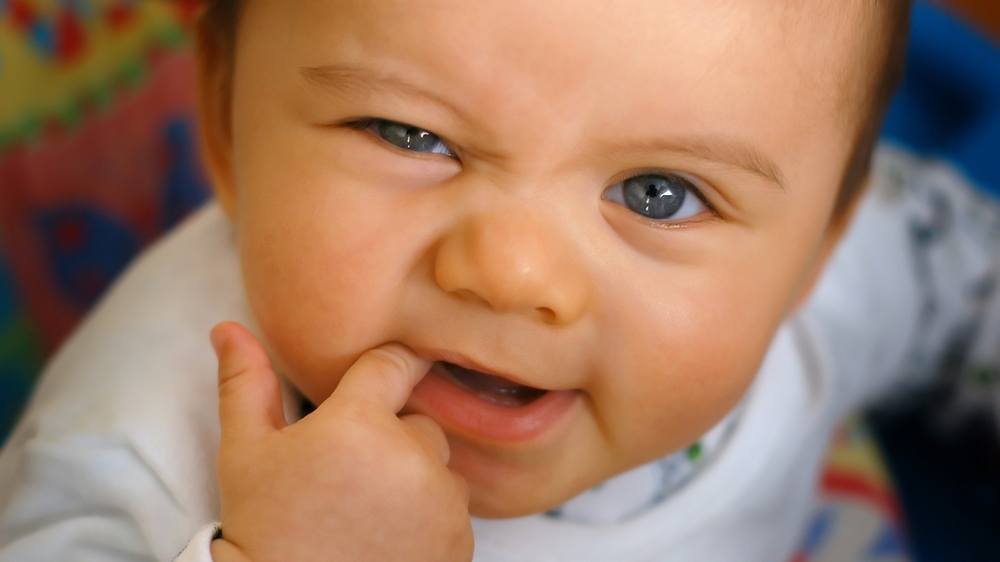
- Chewing and biting: Babies often bite soft toys, clothes, or even their own fingers to relieve pressure on their gums.
- Changes in appetite or sleep: Some babies may feed less or wake more often at night due to discomfort.
- Crankiness and irritability: Fussiness is common when a tooth is about to erupt, but it usually subsides within a few days.
Safe and Simple Ways to Soothe Teething Pain
Rest assured, a few gentle techniques can help ease your baby’s discomfort naturally and safely, without the need for medicine.- Gum massage: Thoroughly wash your hands and use your clean fingertip to rub your baby’s gums gently. The pressure can ease soreness and provide immediate relief.
- Superb comfort: Offer a chilled, not frozen, teething ring or a cold, damp cloth for your baby to chew on. The mild cold helps reduce inflammation and naturally numbs pain. Always ensure the item is clean and free from small parts that could pose a choking risk.
- Distraction through play: Sometimes, a baby simply needs your attention to feel better. Gentle play, singing, or short walks can help divert their focus away from discomfort.
- Feeding for comfort: Nursing or bottle-feeding often soothes babies, providing warmth and hydration. Some may bite gently due to gum pressure, so stay calm and guide them to latch properly again.
Teething Myths Parents Can Stop Believing
Teething myths have been passed down for generations, often creating unnecessary worry. Here are some common misconceptions and the truth behind them.1. Myth: Teething causes fever or diarrhoea.
Many people believe fever and loose stools are part of teething. In reality, these symptoms are unrelated and are usually caused by infection. If your baby has a fever beyond 100.4°F or persistent diarrhoea, contact your doctor immediately.2. Myth: Babies stop eating solids when teething.
It is normal for babies to experience a decrease in appetite for a day or two due to gum sensitivity, but they will resume regular eating once the tooth breaks through. Encourage soft foods such as mashed fruits or vegetables if your baby refuses firmer textures.3. Myth: Amber necklaces or teething powders relieve pain
There is no scientific evidence to support the claim that amber necklaces help with teething. They can even be dangerous, posing a choking or strangulation risk. Teething powders are also unsafe unless prescribed, as they may contain chemicals unsuitable for infants.4. Myth: All babies start teething at six months.
Most do, but some may start earlier or later. Genetics, nutrition, and overall development influence the timing. The first tooth typically appears between four and twelve months.When to See a Doctor
While teething is a natural process, it can sometimes coincide with other illnesses that require attention. Contact your paediatrician if your baby shows any of the following:- A fever higher than 100.4°F
- Persistent diarrhoea or vomiting
- Refusal to eat or drink for more than one day
- Severe swelling or bleeding gums
- Unusual sleepiness or weakness
Caring for Those 1st Tiny Teeth
Remember, dental hygiene begins as soon as the first tooth appears. Early care helps prevent decay and helps your baby become accustomed to oral cleaning routines.Use a soft baby toothbrush with plain water twice a day. Toothpaste is not needed until your doctor recommends it. After every feed, wipe your baby’s gums gently with a clean, damp cloth. It keeps bacteria away and protects emerging teeth.
Avoid allowing your baby to sleep with a bottle, especially one containing milk or formula, as this can lead to tooth decay. If your baby uses a pacifier, keep it clean and never dip it in sweet substances. Small habits formed now create healthy smiles later.
Helping Your Baby Sleep During Teething
Sleep is often disrupted during teething because of mild gum pain. You can make nights more comfortable by sticking to a consistent bedtime routine. Provide your baby with a warm bath, a gentle massage, or a quiet feeding before sleep. Dim lighting, soft music, and cuddles can also help your baby relax.If your baby wakes up often, hold and comfort them rather than letting them cry it out. They need reassurance as much as relief. Most babies return to their regular sleep schedule once the tooth emerges.
Supporting Yourself as a Parent
Teething affects parents almost as much as it affects babies. The combination of crying, sleepless nights, and worry can be exhausting. Remember that this is a passing phase. Share the workload with your partner or family members. Rest when your baby sleeps, and don't feel guilty about taking short breaks.Understanding what your baby is going through helps you stay calm and patient. This emotional steadiness reassures your baby more than anything else. Every cry or cuddle is part of building trust and connection.
When the First Tooth Finally Shows Up
It's worth the wait to see that first bit of white through the gum. Your baby has reached another stage of growth. Take pictures, laugh, and smile a lot to celebrate. Keep up daily cleaning and schedule an appointment for your baby's first dental visit by their first birthday or within 6 months of their first tooth appearing.Teething is an ongoing process that continues into toddlerhood, but with patience, knowledge, and love, it can become a bonding experience rather than a stressful one. Each tooth marks progress not just in your baby’s mouth but in their journey toward independence and growth.
Whether you’re pregnant, a new mom, or navigating postpartum, you don’t have to do it alone. Join our support group to connect, share, and support one another.
FAQs on The Truth About Teething Signs, Soothing and Myths
- When does teething usually start?
Most babies start teething between six and ten months, although the timing varies from one child to another. - Can teething cause fever?
No. Teething may cause fussiness, but a high fever suggests infection and requires medical advice. - What is the best way to soothe teething pain?
Gently massaging gums or offering a cool teething ring helps most babies feel comfortable.