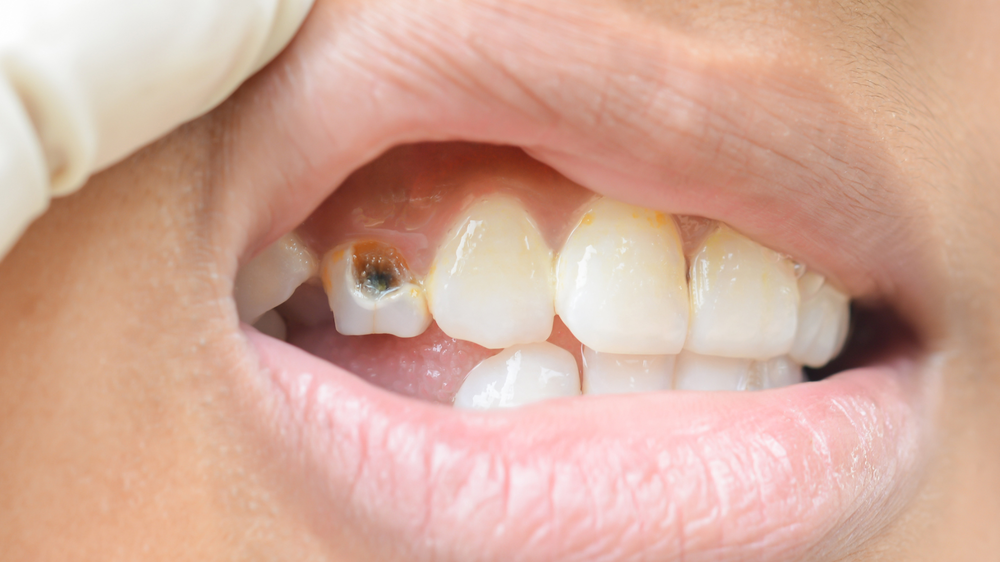
Cavities and infections typically begin with plaque buildup. When bacteria break down food particles and sugars, they release acids that erode enamel and irritate gum tissues. Without timely treatment, this damage progresses into deeper tooth structures and surrounding tissues, leading to persistent inflammation. Furthermore, such a chronic inflammatory state can extend beyond oral health and disrupt metabolic, hormonal, and reproductive systems.
Let’s discuss the common signs, how cavities may affect fertility, and the essential tips to protect dental health and support fertility.
In this article:
What are the Common Symptoms of Untreated Dental Issues?
Recognising early signs of dental problems helps prevent complications that may indirectly affect fertility. Here are the common symptoms.- Visible holes or dark spots on teeth
- Swollen, tender, or bleeding gums
- Persistent toothache or sensitivity
- Bad breath or unpleasant taste in the mouth
- Gum recession or loose teeth
- Facial or jaw pain in severe infections
How Can Dental Issues Affect Fertility?
Untreated dental problems can affect fertility through several biological pathways involving inflammation, immune activity, and hormonal regulation. Here’s how untreated dental issues affect fertility.Increased Systemic Inflammation
- Cavities and gum infections continuously release inflammatory molecules into the bloodstream. When your body faces a constant chronic inflammatory burden, it may interfere with hormone signalling between the brain, ovaries, and reproductive organs. Furthermore, increased inflammation may reduce the quality of ovulation or impair sperm function.
- Inflammatory chemicals from oral infections may influence the regulation of oestrogen, progesterone, and other reproductive hormones. Hormonal disruptions can lead to irregular menstrual cycles, reduced ovulation quality, or altered sperm production.
- Chronic infection places constant pressure on the immune system. Over time, this pressure may affect the body’s ability to maintain a stable reproductive environment. An overactive or dysregulated immune response can influence implantation, early pregnancy stability, and overall fertility outcomes.
- Long-standing oral inflammation has been associated with insulin resistance and metabolic imbalances. Poor metabolic health can interfere with ovulation, increase the risk of conditions such as PCOS, and reduce overall reproductive efficiency.
How to Protect Dental Health and Support Fertility?
Women can strengthen both oral health and fertility by adopting consistent, evidence-based practices that reduce inflammation and support hormonal balance. Each of the following strategies plays a meaningful role in protecting the body from chronic oral infections that may influence reproductive function.Prioritise Early Screening for Dental Problems
- Schedule comprehensive dental assessments at regular intervals to ensure timely identification of developing issues. Dentists can detect enamel erosion, early cavities, or subtle gum irritation before they progress into deeper infections. Furthermore, early medical attention prevents the spread of harmful bacteria and reduces the systemic inflammatory burden that may affect hormonal pathways and fertility.
- Maintain a disciplined oral hygiene routine that includes brushing with fluoride toothpaste, flossing thoroughly, and cleaning the tongue. These steps effectively reduce bacterial build-up and protect gum tissues. Reducing bacterial activity in the mouth may help you minimise the risk of pathogens entering the bloodstream and triggering inflammation that could affect reproductive processes.
- Regulate blood sugar through balanced meals and mindful snacking. High glucose levels create an environment that promotes bacterial growth and accelerates cavity development. Stable blood sugar supports healthier oral tissues, prevents infection, and contributes to more balanced hormonal activity, which is essential for reproductive wellbeing.
- Incorporate nutrient-dense foods that provide calcium, vitamin D, vitamin C, omega-3 fatty acids, and antioxidants. These nutrients strengthen tooth structures, enhance gum resilience, and reduce inflammation throughout the body. Furthermore, supporting both oral and systemic health may help you maintain hormonal stability for healthy fertility.
- Recognise the importance of saliva as a natural defence against plaque and acid damage. Stay well-hydrated and manage dry mouth symptoms to maintain sufficient saliva flow. Proper hydration reduces bacterial build-up, prevents gum irritation, and lowers the risk of infections that could lead to systemic inflammation, which can affect fertility.
What to Do Next?
- Review your current oral hygiene habits and identify areas that need improvement.
- Schedule a dental check-up if you have not had one in the past six months.
- Monitor symptoms such as tooth pain, gum bleeding, or sensitivity and seek prompt evaluation.
- Maintain a balanced diet that supports both oral and reproductive health.
- Consult a healthcare professional if you have ongoing fertility concerns or chronic dental issues.
You’re not alone in your journey when trying to conceive. Join our supportive community to connect with others, share experiences, and find encouragement every step of the way.
FAQs on Cavities, Infection & Fertility: Why Untreated Dental Issues Matter
- Can dental X-rays affect fertility?
Routine dental X-rays use minimal radiation and are generally safe. However, individuals planning a pregnancy should inform their dentist. - Do fertility medications impact gum health?
Some medications may cause dry mouth or gum sensitivity. Regular oral care helps minimise these effects. - Can men’s dental health affect conception?
Yes. Gum disease may reduce sperm quality and increase systemic inflammation, which can affect fertility.