In this article:
What is Measles and How Does It Spread
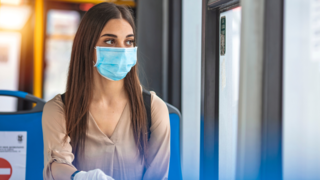
Measles is caused by a virus that spreads easily and can make you feel quite unwell. It usually begins with a high temperature, a runny nose, a dry cough, red and watery eyes, and a general feeling of fatigue. A few days later, a blotchy red rash appears, starting on your face and then spreading across your body. The rash does not usually itch and may last for about a week. These symptoms typically show up around 10 days after you have been in contact with someone who has the virus.The measles virus travels through the air when an infected person coughs or sneezes, and it can also survive on surfaces for a couple of hours. You can spread it from the day before symptoms start until about four days after the rash appears.
Anyone who has not been vaccinated or previously infected can catch it, although vaccination programs have made measles less common in many areas.
What are the Risks of Measles During Pregnancy
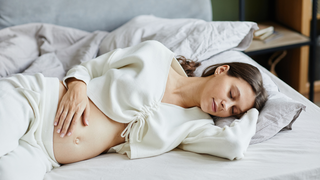
Catching measles while pregnant increases the risks for you and your baby. These are the key complications to be aware of:For the mother
- Severe illness: Higher chance of hospitalisation due to lung infections or liver inflammation.
- Increased mortality risk: The risk of serious complications or death is significantly higher during pregnancy than when you are not pregnant.
- Everyday complications: Ear infections, breathing difficulties, and other common issues tend to be more severe.
- Rare but serious conditions: Brain swelling, which can be life-threatening.
- Pregnancy loss: Higher chance of miscarriage or stillbirth.
- Preterm birth: Increased risk of delivering too early.
- Low birth weight: Growth may slow, leading to smaller babies.
- Newborn infection: If measles occurs within 2 weeks of delivery, the baby may be born with fever, rash, or liver swelling.
- Long-term complications: Newborn infection can lead to pneumonia or delayed brain conditions that are difficult to treat.
How is Measles Treated During Pregnancy
There is no medication that directly cures measles, so treatment focuses on managing symptoms and supporting your body. Here are the key steps:- Get plenty of rest to help your body recover
- Drink enough fluids to prevent dehydration
- Use paracetamol to reduce fever, confirming the safe dose with your doctor during pregnancy
- Avoid contact with others until the rash has faded (usually by day four) to prevent spreading the virus
What to Do After Measles Exposure During Pregnancy
If you’ve been in close contact with someone who has measles, these are the steps to follow:- Go home immediately and avoid contact with others
- Check your vaccination records to see if you are fully protected
- Call your doctor right away for guidance
- If you have had only one dose, no doses, or are unsure, your doctor may offer an intravenous injection of antibodies to reduce the risk or severity of infection
- Monitor yourself for early signs of measles
- Ensure family members are up to date with their vaccinations
- Get tested if advised to confirm whether the infection has occurred
How to Prevent Measles Before and During Pregnancy
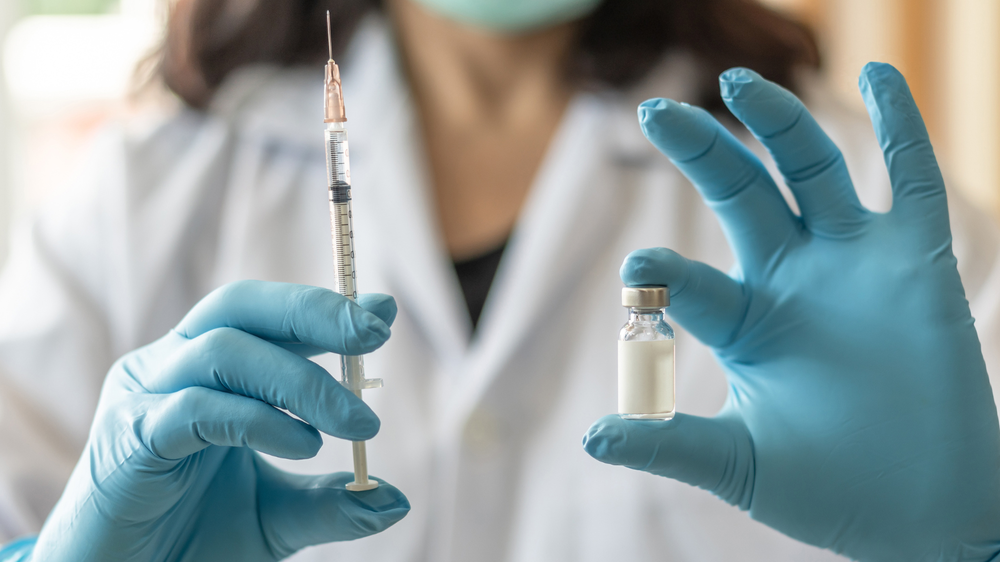
The most reliable way to protect yourself from measles is to get vaccinated before pregnancy. The vaccine often comes combined with protection against mumps, rubella, and sometimes chickenpox, using a live but weakened form of the virus. It is important to wait until after delivery to get the vaccine during pregnancy, as there is a theoretical risk to the baby.If you are planning a family, speak with your doctor early. If you are unprotected, 2 doses spaced 4 weeks apart provide full immunity. After the second dose, wait a month before trying to conceive and use effective birth control during that time. Even if you have had one previous dose, completing the follow-up ensures solid protection.
Measles during pregnancy can pose serious risks, but understanding how it spreads, recognising the symptoms, and taking timely action can make a big difference. Vaccination before pregnancy remains the most effective protection for you and your baby.
Whether you’re pregnant, a new mom, or navigating postpartum, you don’t have to do it alone. Join our support group to connect, share, and support one another.
FAQs on Measles and Pregnancy: What You Need to Know
- Can I breastfeed if I contract measles during pregnancy?
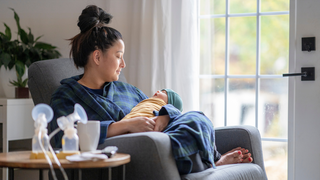
Yes, you can breastfeed. Maternal antibodies from measles infection may pass to the baby, providing temporary immunity. But precautions should be taken to avoid exposing the newborn to the virus. - Can measles vaccination be given during pregnancy?
No, the live measles vaccine (MMR) is not given during pregnancy. Women planning a pregnancy should get vaccinated at least one month before conceiving. - Can measles cause vitamin deficiencies during pregnancy?
Yes, measles can deplete vitamin A, which is important for fetal growth and immune function. Doctors may recommend supplementation if needed.