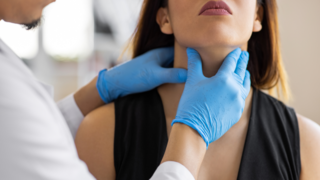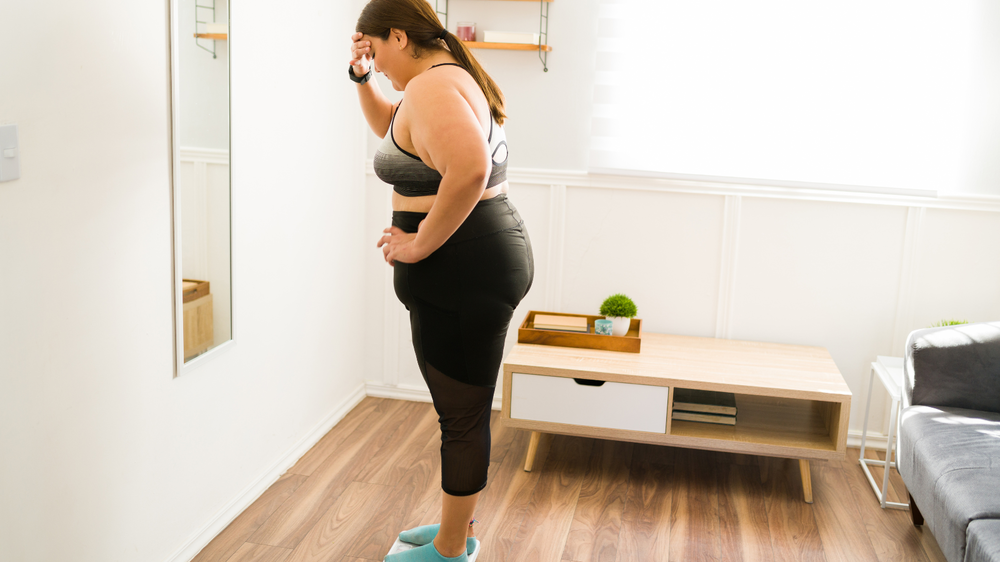
Furthermore, these visible changes frequently trigger self-criticism, increase comparison with others, and create a sense of losing control over personal appearance. Consequently, body image struggles become a significant yet often overlooked part of living with PCOS.
Let’s discuss the signs of PCOS affecting body image, how these symptoms shape emotional well-being, and essential tips to improve body image that may help rebuild confidence.
What are the Signs That PCOS May Be Affecting Your Body Image?
Understanding these signs early helps women seek timely support and restore emotional balance. Here are the common signs to look out for.- Feeling uncomfortable in clothes or avoiding certain outfits
- Frequently comparing appearance to others
- Avoiding photos or social gatherings due to physical concerns
- Feeling dissatisfied despite efforts to improve appearance
- Experiencing negative self-talk or harsh internal criticism
- Feeling anxious about how others perceive physical symptoms
In this article:
How Does PCOS Affect Body Image?
PCOS influences both physical appearance and emotional well-being, and these combined effects often shape how women see and value their bodies. Understanding the underlying reasons helps create awareness and encourages healthier self-perception.Changes in Physical Appearance
- PCOS disrupts key hormones, including insulin, testosterone, and oestrogen, which directly influence weight, skin health, and hair growth. These changes may appear gradually or develop unexpectedly, leaving women feeling uneasy or disconnected from their bodies. As these symptoms progress, many feel a sense of losing control over their appearance, which can affect their body image.
- Insulin resistance makes weight management more challenging and increases the tendency to store fat, especially around the abdomen. Many women gain weight despite following balanced diets and regular exercise routines. These difficulties often create frustration, disappointment, and confusion, which may weaken self-esteem and negatively affect how women view their bodies.
- Visible symptoms such as acne, unwanted facial or body hair, and scalp hair thinning can significantly affect daily confidence. These changes may draw unwanted attention or comments, making social interactions feel stressful or uncomfortable. Furthermore, such experiences may lead women to feel self-conscious or hesitant to participate in social or professional situations.
- PCOS can influence ovulation and fertility, and these concerns often place emotional pressure on women. Many question their body’s ability to function as expected, which may trigger feelings of inadequacy or self-blame. Furthermore, such an emotional burden can shape how women perceive their physical worth and deepen internal struggles with body image.
- Social media, beauty standards, and societal expectations often create unrealistic ideals. Women with PCOS may compare themselves to images or peers who do not share the same challenges, which intensifies self-doubt. Furthermore, these comparisons may lead to feelings of not fitting in, increased insecurity, and reduced confidence in everyday life.
How to Improve Body Image with PCOS?
Improving body image with PCOS requires patience, awareness, and consistent self-care. These approaches help women build confidence, reduce emotional stress, and develop a healthier relationship with their bodies. Here’s how to improve body image with PCOS.Self-Care Routine is Key
- Establishing daily habits that prioritise sleep, balanced meals, hydration, and stress reduction helps the body function more smoothly. These practices support hormonal balance and enhance emotional well-being. Furthermore, staying consistent with self-care creates meaningful improvements in how women feel about their bodies and their overall health.
- Adopting a body-neutral mindset encourages women to appreciate what their bodies can do rather than how they look. Having such a perspective reduces pressure to meet appearance-based standards and promotes a healthier, more respectful relationship with the body. Gradually, this shift builds confidence and reduces negative self-talk.
- Engaging in enjoyable physical activities, such as walking, yoga, swimming, or strength training, supports both physical and emotional health. Comfortable movement improves mood, reduces stress hormones, and encourages long-term consistency. Sticking to such an approach helps women value their bodies for their abilities rather than their appearance.
- Consulting dermatologists, endocrinologists, or qualified nutrition professionals allows women to manage PCOS symptoms effectively. Evidence-based treatments help reduce acne, hair changes, insulin resistance, or weight-related concerns. Furthermore, proper medical guidance often helps women address their symptoms and restore their lost confidence.
- Reducing exposure to unrealistic beauty standards can protect mental well-being. Limiting time online or following body-positive creators helps women focus on healthier influences. Furthermore, the shift reduces unnecessary comparison and strengthens a more supportive view of their own bodies.
PCOS can create many physical changes that affect confidence, self-esteem, and emotional well-being.
However, with understanding, supportive habits, and professional guidance, women can strengthen their relationship with their bodies. Progress takes time, but every small step toward self-compassion helps build a healthier, confident self-image.
You’re not alone in your journey when trying to conceive. Join our supportive community to connect with others, share experiences, and find encouragement every step of the way.
FAQs on How Does PCOS Affect Body Image and Self-Confidence
- Does weight loss always fix body image issues?
Not always. Body image involves emotional well-being, self-esteem, and beliefs, not just physical size. When women address both emotional and physical factors, confidence ultimately improves. - Is poor body image common among women with PCOS?
Yes, because many PCOS symptoms affect appearance, body image concerns are widespread. Early emotional support helps prevent long-term distress.