In this article:
How Cultural Practices Shape How You Are Treated During Menstruation
You may have grown up following certain rules during your period, often justified as tradition or respect for religion. When you look closer, many of these practices are tied to ideas of impurity and fear rather than health or well-being. Here is how these beliefs commonly show up in everyday life.- Restrictions on entering kitchens and prayer spaces: You are often told not to enter the kitchen or prayer space during menstruation. In many homes, this belief holds that your presence can make food or sacred spaces impure. Touching holy books, idols, or preserved foods is discouraged for the same reason.
- Food-related limitations: You may be advised to avoid sour foods such as curd, tamarind, or pickles. The belief is that these foods can disturb your menstrual flow or spoil easily if handled by you, even though there is no scientific basis for this.
- Delayed bathing practices: In some families, you are told not to bathe for the first few days of menstruation. This comes from older beliefs that menstrual blood can pollute water sources, which were once considered sacred and scarce.
- Beliefs linking menstruation to harm or bad luck: You might hear claims that touching a cow or certain objects during your period can bring bad luck or harm fertility. These ideas reinforce the notion that your body is carrying something dangerous or cursed at this time.
- Exclusion from food preparation: You may be kept away from cooking because of the belief that a menstruating woman gives off a smell or energy that can spoil food. This has led to strict rules governing the handling of ingredients and meals.
- Physical separation and isolation: In some regions, menstruating individuals may be asked to eat separately or to stay in a separate area. In extreme cases, this may include being sent to isolated rooms or huts, particularly in rural or tribal areas.
Which Cultural Practices Harm Health During Periods
Several of these cultural rules can negatively affect emotional well-being, education, and physical health. Here’s how they often show up:- Emotional stress and low confidence: When girls feel ashamed or impure because of these taboos, it impacts their confidence and mental state. Growing up in silence about periods can leave them anxious and uncertain about their own bodies.
- Limited knowledge about puberty and reproductive health: When periods are not openly discussed, girls may lack clear information about puberty or reproductive health. This can create confusion or worry when bodily changes occur.
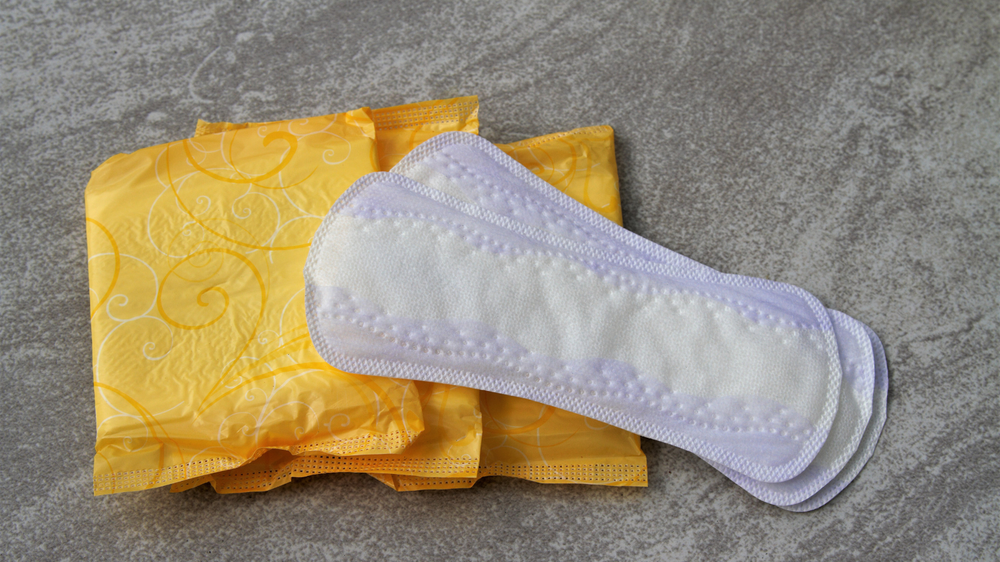
- Challenges with menstrual hygiene: In many areas, access to proper absorbent materials is limited. Reusing old cloths or relying on ashes, dried leaves, newspapers, or husk sand increases the risk of infections, especially when clean water and private washing spaces are unavailable.
- Stigma around odour: Social stigma around menstrual odour can lead to feelings of embarrassment and self-consciousness.
- Impact on schooling and work: Girls often miss school or even drop out when their periods begin due to inadequate sanitation facilities or fear of teasing. Female teachers may face similar challenges in gender-unfriendly environments.
- Hygiene and health risks from restrictions: Avoiding bathing or limiting physical activity is sometimes advised, but it can compromise hygiene and increase the risk of reproductive tract infections.
- Nutritional gaps due to dietary restrictions: Avoiding certain foods, such as sour or cold items, during menstruation has no scientific basis and can limit essential nutrients at a time when the body needs extra support.
Which Cultural Practices Support Health During Periods
Not all traditions around menstruation are harmful. Some focus on rest, comfort, and care, providing gentle support during this time. These are a few examples of practices that can actually be helpful:- Encouraging warm or soothing foods: Some communities suggest heat-producing foods to ease cramps and relax tense muscles. Warm meals can provide comfort and support the body’s natural recovery.
- Including cooling fruits for relief: Fruits like papaya are sometimes recommended as cooling agents to reduce pain and bloating. These small dietary choices can help balance discomfort during menstruation.
- Positive tribal perspectives: In some tribal traditions, menstruation is viewed as a regenerative or nurturing force. Women are respected during this time rather than considered impure.
- Connecting with nature: Touching plants or spending time outdoors is sometimes encouraged, on the belief that menstrual energy can help plants flourish. This approach frames menstruation as a natural and life-giving process.
You’re not alone in your journey when trying to conceive. Join our supportive community to connect with others, share experiences, and find encouragement every step of the way.
FAQs on Cultural Practices Around Menstruation — What to Ignore, What's Fine
- Are all restrictions during menstruation rooted in religion?
Not always. Some practices come from social norms, family traditions, or local beliefs rather than religious texts. - How can men and boys be involved in menstrual awareness?
Men and boys can be involved by learning about menstruation, breaking taboos, and encouraging open conversations at home and in the community.
Not always. Some practices come from social norms, family traditions, or local beliefs rather than religious texts.
Men and boys can be involved by learning about menstruation, breaking taboos, and encouraging open conversations at home and in the community.