In this article:
Why Does Thirst Increase During Pregnancy?
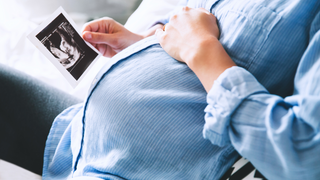
During pregnancy, your body works harder than usual to support your baby. To do this, it needs more fluids. Some key reasons include:- Your blood volume increases by 30–50% to supply oxygen and nutrients to your baby.
- Your kidneys function more rapidly, producing more urine.
- Your body uses more water for amniotic fluid, digestion, and circulation.
Why Does Thirst Feel Stronger When You Lie Down?
Feeling thirstier the moment you lie down is common and has several explanations.1. How Does Body Position Affect Fluid Balance?
When you lie down, fluids that may have pooled in your legs during the day begin to redistribute throughout your body. This shift can temporarily alter blood fluid concentration, triggering the brain’s thirst centre.This is why thirst may feel sudden upon rest.
2. Does Dry Mouth Become More Noticeable at Night?
Yes. At night, saliva production naturally reduces. Pregnancy hormones can exacerbate this dryness. When you lie down in a quiet environment, you become more aware of sensations like dry mouth or throat, which can feel like a strong thirst.3. Can Pregnancy Hormones Increase Night-Time Thirst?
Hormones such as progesterone affect how your body manages fluids and electrolytes. These hormonal shifts can make you feel thirsty even when you have consumed enough water during the day.4. Does Nasal Congestion Play a Role?
Pregnancy-related nasal congestion is common due to increased blood flow to the nasal mucosa. If you breathe through your mouth while sleeping, dryness increases, making thirst feel stronger when you lie down.Is Feeling Very Thirsty at Night Normal in Pregnancy?
In most cases, yes. Mild to moderate nocturnal thirst is usually harmless and part of normal pregnancy changes.However, excessive thirst, particularly when accompanied by frequent urination, fatigue, or blurred vision, should not be ignored. It may sometimes indicate conditions such as gestational diabetes, which affects around 5–10% of pregnancies.
What Warning Signs Should You Watch For?
You should speak to your doctor if you experience:- Extreme thirst that does not improve after drinking water
- Frequent urination throughout the night
- Sudden fatigue or weakness
- Dry mouth with cracked lips
- Blurred vision or dizziness
How Can You Manage Night-Time Thirst Safely?
You can take simple steps to reduce discomfort without affecting your sleep.Sip Water Smartly
Instead of drinking large amounts before bed, take small sips. This helps relieve thirst without increasing nighttime bathroom visits.Balance Your Fluids During the Day
Drink most of your water earlier in the day so your body remains well hydrated by bedtime.Limit Salty or Spicy Foods at Dinner
These foods increase thirst and fluid retention, thereby worsening nighttime discomfort.Keep Your Mouth Moist
Rinsing your mouth or sucking on ice chips can help if dryness is the main issue.Use a Humidifier
If the air in your room is dry, a humidifier can reduce dryness of the mouth and throat.Does Increased Thirst Affect Your Sleep and Emotional Health?
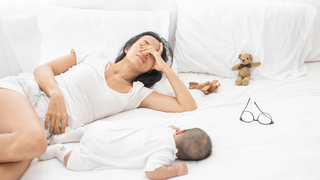
Interrupted sleep due to thirst can leave you feeling tired and irritable. Poor sleep may also affect your mood and stress levels.Sharing your discomfort with your partner can help. Simple support, such as keeping water nearby or adjusting dinner habits together, can make you feel cared for and less overwhelmed.
Remember, emotional well-being is just as important as physical comfort during pregnancy.
What Should You Do Next? A Simple Checklist
- Track how much water you drink during the day
- Avoid heavy fluids right before bedtime
- Reduce salty foods in the evening
- Keep water within reach at night
- Note any additional symptoms like fatigue or blurred vision
- Discuss persistent thirst with your doctor
When Should You See a Doctor?
You should consult your healthcare provider if:- Your thirst feels excessive or sudden
- You wake up multiple times each night due to thirst
- You have a history of diabetes
- You notice changes in vision or energy levels
Feeling extra thirsty when you lie down during pregnancy is usually a normal response to fluid shifts, hormonal changes, and increased body demands. While mild thirst is common, persistent or extreme thirst deserves attention. By staying aware of your body, adjusting daily habits, and seeking timely medical advice when needed, you can manage this symptom comfortably and protect your overall well-being.
Whether you’re pregnant, a new mom, or navigating postpartum, you don’t have to do it alone. Join our support group to connect, share, and support one another.
FAQs on Why You Feel Extra Thirsty The Moment You Lie Down While Pregnant
- Can dehydration cause nighttime thirst even if I drink water daily?
Yes. If fluids are not spaced well during the day, your body may still feel dehydrated at night. - Does lying on your back make thirst worse during pregnancy?
Lying flat can affect circulation in late pregnancy. Side-lying positions, especially on the left side, are usually more comfortable. - Is night-time thirst linked to baby growth?
Indirectly, yes. As your baby grows, your body needs more fluids to support circulation and amniotic fluid, which can increase thirst.