This article gently walks you through what inflammation is, why it matters for oral and reproductive health, what changes you may notice, and what practical steps you can take—without fear or extremes.
In this article:
What Is Inflammation, and Why Should You Care?
Inflammation is the body’s natural defence response. When you cut a finger or fight an infection, inflammation helps healing. The problem begins when inflammation becomes constant due to poor diet, stress, lack of sleep, or untreated infections.In India, studies show that nearly 50–60% of adults have some form of gum disease, often unnoticed. Gum inflammation allows bacteria to enter the bloodstream, triggering immune responses that may affect hormone regulation, ovulation, sperm quality, and pregnancy outcomes.
Chronic inflammation has been linked with:
- Bleeding gums and periodontitis
- Irregular menstrual cycles
- Polycystic ovarian patterns
- Reduced sperm motility
- Increased pregnancy complications
How Are Oral Health and Reproductive Health Connected?
Your mouth is not separate from the rest of your body. Inflamed gums release inflammatory chemicals like cytokines into the bloodstream. These can interfere with hormonal signalling and blood supply to reproductive organs.Research indicates that people with severe gum disease may take 2–7 months longer to conceive compared to those with healthy gums. During pregnancy, untreated oral infections are associated with higher risks of preterm birth and low birth weight.
For parents, this connection can feel worrying. The reassuring truth is that nutrition and daily habits can reverse much of this inflammation.
What Is an Anti-Inflammatory Diet in Simple Terms?
An anti-inflammatory diet is not restrictive or expensive. It focuses on foods that calm the immune system and reduce oxidative stress. In Indian households, this approach aligns well with traditional eating patterns when followed mindfully. At its core, it means:- Eating foods close to their natural form
- Prioritising fibre, antioxidants, and healthy fats
- Reducing sugar, refined flour, and ultra-processed foods
Which Foods Support Oral and Reproductive Health Together?
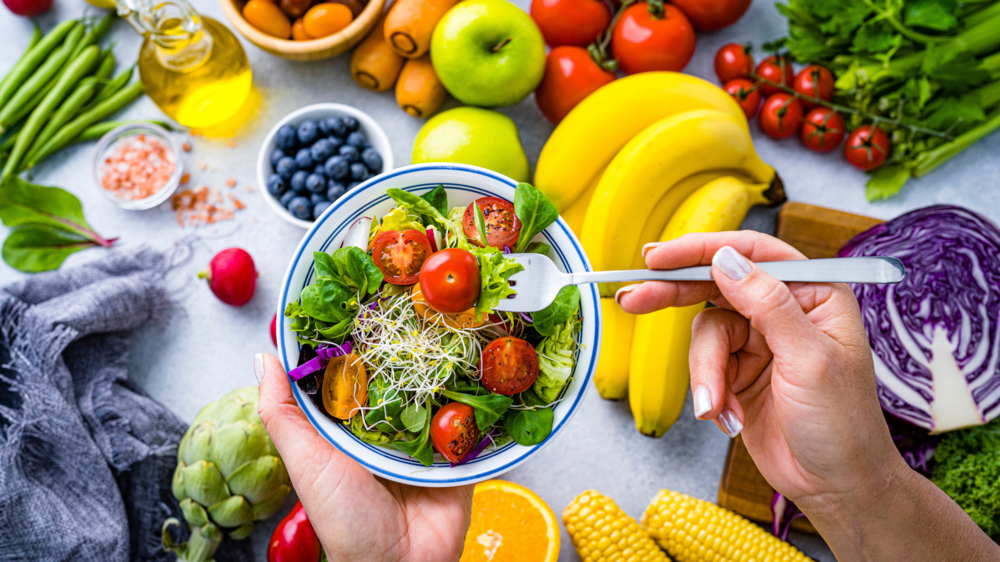
Anti-Inflammatory Foods to Include Daily- Fruits and vegetables: Aim for 5–7 servings daily. Guava, papaya, amla, spinach, bottle gourd, and carrots are rich in antioxidants.
- Healthy fats: A small handful (20–30 g) of walnuts or almonds daily supports hormone balance.
- Whole grains: Millets, brown rice, and oats reduce blood sugar spikes linked with inflammation.
- Spices: Turmeric, ginger, and cinnamon have been shown to have anti-inflammatory effects. Curcumin in turmeric has been shown to reduce inflammatory markers by up to 30–40% in studies.
- Protein sources, such as Lentils, chickpeas, paneer, eggs, and curd, support tissue repair and immunity.
- Sugary snacks and sweetened drinks
- Deep-fried foods and repeated-use oils
- Refined flour products
- Excess salt, which worsens gum swelling
How Does This Diet Help Gums and Teeth?
Vitamin C deficiency alone can worsen gum inflammation. Including citrus fruits, such as amla, just 3–4 times a week can significantly improve gum health. An anti-inflammatory diet:- Reduces gum bleeding within 2–4 weeks
- Improves saliva quality, which protects enamel
- Lowers harmful oral bacteria
How Does It Support Hormones and Fertility?
Inflammation interferes with insulin and reproductive hormones. By stabilising blood sugar and reducing oxidative stress, this diet helps:- Regulate cycles
- Improve egg and sperm quality.
- Support healthy implantation
What Lifestyle Habits Strengthen the Diet’s Benefits?
Emotional support from partners and family plays a vital role. Sharing meals, cooking together, and reducing food guilt build long-term consistency. Food works best when paired with supportive habits:- Sleep: Aim for 7–8 hours. Poor sleep increases inflammatory markers by up to 25%.
- Movement: Gentle walking or yoga for 30 minutes daily improves circulation.
- Stress care: Breathing exercises reduce cortisol levels, a hormone that exacerbates inflammation.
- Oral hygiene: Brush twice daily, floss once daily, and schedule dental checkups every 6 months.
When Should You Contact a Doctor or Dentist?
Nutrition supports treatment but does not replace medical care. Seek professional help if you notice:- Persistent gum bleeding beyond two weeks.
- Loose teeth or chronic bad breath
- Irregular cycles lasting over three months
- Difficulty conceiving after one year
- Pain, swelling, or oral sores that do not heal
What to Do Next: A Simple Checklist
- Add one extra fruit and one extra vegetable each day.
- Replace refined grains with millets twice a week.
- Include nuts or seeds daily.
- Reduce sugar gradually, not suddenly.
- Schedule a dental check-up.
- Prioritise sleep and stress relief.
An anti-inflammatory diet for oral and reproductive health is a form of self-care for you, your partner, and your family. By calming internal inflammation, you support healthier gums, balanced hormones, and emotional well-being. These choices are not about perfection, but consistency, kindness, and building resilience together.
You’re not alone in your journey when trying to conceive. Join our supportive community to connect with others, share experiences, and find encouragement every step of the way.
FAQs on Eating to Calm Inflammation: Supporting Oral and Reproductive Health Naturally
- Can improving oral health really affect fertility?
Yes. Gum inflammation releases inflammatory chemicals into the bloodstream, which may interfere with hormone balance and reproductive function. Treating oral inflammation and improving diet together supports overall fertility health and reduces systemic stress. - How long does it take to see results from an anti-inflammatory diet?
Many people notice reduced gum bleeding and better digestion within 2–4 weeks. Hormonal balance and reproductive benefits may take 2–3 months, depending on consistency, lifestyle habits, and existing health conditions.