Times Future of Maternity 2026 | India's Largest Maternity Ecosystem Gathering

A To Z of Pregnancy Supplements: Know Your Prenatal Vitamins

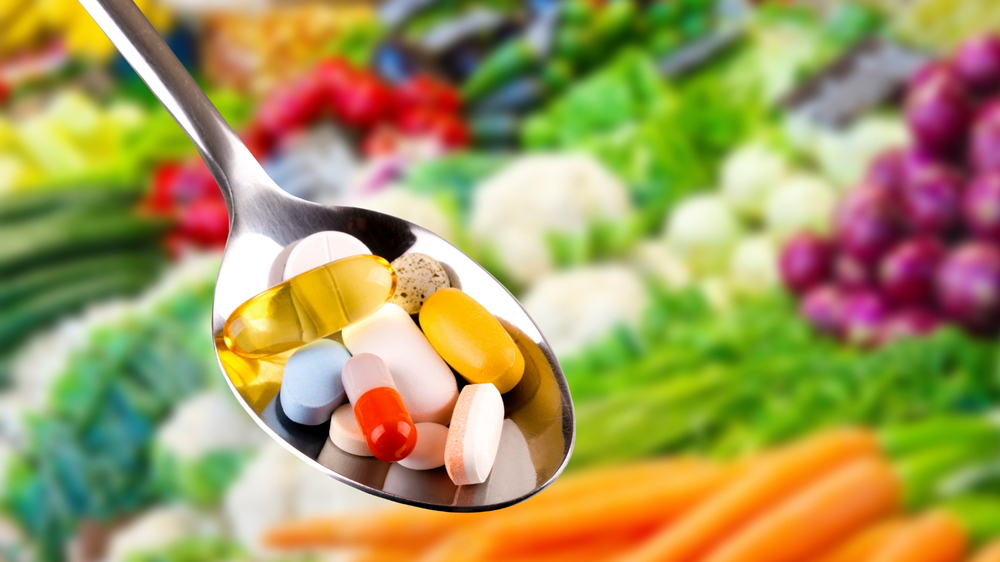
A pregnant woman's body needs certain nutrients to support health and the growing foetus. Depending on the underlying conditions, deficiencies, and foetal growth, your doctors might have prescribed you pills of all colours and sizes. This article aims to teach pregnant women which pregnancy supplements they should take and how they affect their health.

Pregatips
pregnancy supplements
Finally, you are pregnant, and now you have just got back from your first prenatal visit. If you are overwhelmed by the number of supplements your doctor prescribed, don't worry. Each pill serves a different purpose. A pregnant woman's body demands different nutrition to support maternal health and foetal development. Meeting increasing nutrient demands from food alone is not possible, so supplements help to cover the gap. Adequate nutrients are crucial for supporting a healthy pregnancy and reducing the risk of low birth weight, anaemia, neural tube defects, and hypertension. You might already have an underlying condition that could heighten the pregnancy symptoms or pose a risk during delivery. To mitigate these risks, your doctors might have prescribed prenatal multivitamins including folic acid, iron, iodine, vitamin D, and B vitamins. Depending on the health condition, supplements like calcium, omega-3, and other minerals may be added. Vitamin AVitamin A is crucial for embryo growth, particularly for supporting organ development, including the heart, kidneys, eyes, and skeletal system. Vitamin A supports immune function and healthy vision, and helps reduce maternal anaemia and birth defects. Vitamin A deficiency can lead to night blindness, risk of infection, and impaired foetal growth. It should be taken with iron supplements to support red blood cell production.Vitamin A is rich in carrots and green leafy vegetables. Orange, yellow vegetables (yellow bell peppers, sweet potato, carrot, pumpkin), papaya, apricot, mangoes, and leafy vegetables are rich in beta-carotene.B VitaminsIt includes: Vitamin B1 (Thiamine): Supports brain development and provides maternal energyVitamin B2 (Riboflavin): Maintains healthy skin and vision and helps in energy productionVitamin B3 (Niacin): Sustains digestion, skin, and the nervous system and reduces nauseaVitamin B6 (Pyridoxine): Supports foetal brain and nervous system development and helps in increasing red blood cell productionVitamin B7 (Biotin): Supports baby growth and converts nutrients into energyVitamin B9 (Folic acid): Prevents neural tube defects, supports DNA synthesis and red blood cell production Vitamin B12 (Cobalamin): Supports the nervous system and prevents birth defectsVitamin CVitamin C is a water-soluble vitamin which is very important during pregnancy. It has antioxidant properties which reduce oxidative stress and support collagen formation. Vitamin C may reduce potential pregnancy complications, including placental abruption, pre-labour rupture, preterm birth, and preeclampsia.CalciumDuring pregnancy, calcium demands increase as maternal intestines absorb more calcium to support foetal bone and tooth development and to protect the mother's bones. Calcium regulates blood clotting, muscle contractions and heart rate.Inadequate calcium levels may increase the risk of low birth weight, poor foetal bone growth, and preterm labour. Mothers may get muscle cramps, seizures, and cardiac arrhythmia. CholineCholine is an often-overlooked prenatal nutrient. Choline is important for a baby's long-term cognitive outcome, including memory, learning, and behaviour. Choline supports placental development, lipid metabolism, nutrient transfer, and liver function. Vitamin DVitamin D is a fat-soluble vitamin which regulates calcium and metabolism and supports immunity. Vitamin D deficiency may increase the risk of complications such as gestational diabetes, preeclampsia, preterm birth, and low birth weight. Adequate vitamin D supports optimal birth weight and improved bone health as the baby moves into childhood.Vitamin EVitamin E, a fat-soluble antioxidant, is crucial for protecting cell membranes from oxidative stress before and during pregnancy. Vitamin E counteracts free radicals and protects cells and tissues. It provides immunity to the mother to help fight infections. Vitamin E is also important for brain development. FolateFolate and folic acid (B vitamins) are the same vitamins, where folate is a natural form found in foods, while folic acid is a synthetic form. Folate, a water-soluble vitamin, is important for DNA methylation, placental function, foetal cell division and growth, and neural tube closure. Folate prevents congenital heart defects, cleft lip, and maternal anaemia. Taking adequate folate intake may reduce the risk of postpartum depression. Sufficient folate also increases birth weight. IodineIodine demands increase by 50% during pregnancy due to high thyroid hormone production. It is crucial for regular metabolism and support of foetal brain development and pregnancy. Adequate iodine intake may reduce the risk of developmental delays. Iodine deficiency may lead to miscarriages, hypothyroidism, stillbirths and infant mortality. IronIron is essential for transporting oxygen in the blood. During pregnancy, the mother's blood volume increases, which increases iron demand to maintain an optimal oxygen supply to the mother and foetus. Iron is important for foetal brain development and myelination, and it also impacts cognitive function and behaviour after birth. Iron deficiency may increase the risk of pregnancy-related anaemia, infection, and mortality.Vitamin KIt is a fat-soluble vitamin important for normal blood clotting and to activate proteins to ensure calcium absorption in bones and blood vessels. Vitamin K supports foetal bone development. Vitamin K deficiency can increase the risk of excessive bleeding.Vitamin K, phylloquinone, is rich in kale, spinach, broccoli lettuce, and menaquinone is rich in fermented foods, cheese, egg yolk, and meat. LuteinLutein is also referred to as an eye vitamin, which supports the retina and visual processing, learning, and memory. During pregnancy, lutein also acts as an antioxidant and protects neural tissue from oxidative stress. Natural sources, including dark leafy vegetables, eggs, avocados, and pistachios, are rich in lutein. MagnesiumMagnesium is an essential mineral to support protein synthesis, energy, muscle, and nerve function. Magnesium relaxes muscles and prevents uterine contractions and preterm labour. It supports foetal skeletal development. It may help reduce the risk of pregnancy-induced hypertension and preeclampsia. Magnesium may also reduce leg cramps, fatigue, and improve sleep quality. Omega-3 Fatty Acids Omega-3 fatty acids play a crucial role in foetal brain, nervous system, and eye development. Pregnant women need DHA (docosahexaenoic acid) to support neural connections, myelination, and visual acuity. Adequate omega-3 fatty acids during pregnancy increase attention span and faster problem-solving skills in early childhood. Omega-3 fatty acids are high in salmon, sardines, anchovies, and trout. SeleinumSelenium is a component of selenoproteins, which regulate thyroid function, provide immunity, antioxidants, and protect cells from oxidative damage. Selenium deficiency may lead to miscarriage, preeclampsia, preterm birth, and impaired neurological development. Growing a foetus needs selenium for brain development. Brazil nuts, fish, eggs, whole grains, and poultry are rich in selenium. ZincZinc supports the foetus's immune system, organ formation and growth, and bone development. Zinc plays a critical role in DNA production and repair. It also works in cell growth, DNA synthesis, hormone and immunity function. Zinc is rich in eggs, chicken, dairy, beans, nuts, whole grains, and seeds. Zinc deficiency may lead to preterm labour, low birth weight, and pregnancy complications.Though it is important to take nutrients from natural sources for better absorption, pregnant women's bodies may demand more than what is already present in the food. That is why taking adequate supplements during pregnancy is important. Each supplement works on its own to support maternal health and foetal growth. Learning about prenatal vitamins, how they work, and why they are important is important for the mother to feel empowered and to make informed decisions. Always consult your doctor before starting or stopping any supplements. Whether you’re pregnant, a new mom, or navigating postpartum, you don’t have to do it alone. Join our support group to connect, share, and support one another.

FAQs on A To Z of Pregnancy Supplements: Know Your Prenatal Vitamins

  1. What is the difference between prenatal vitamins and multivitamins?
    Prenatal vitamins are prescribed during pregnancy, which have higher amounts of folic acid, iron, and calcium. These are important to support foetal development and to meet the mother's increasing nutrient demand during pregnancy. A multivitamin is a general health supplement that offers nutritional support to everyone.
  2. When to stop taking folic acid in pregnancy?
    Folic acid is important to consume till 12 weeks of pregnancy. Folic acid is crucial for foetal neural tube formation, which forms during the first 12 weeks. After 12 weeks, consult with your doctor before making an individual decision. Many doctors might suggest folate throughout the pregnancy for overall health.

How we reviewed this article
Our team continuously monitors the health and wellness space to create relevant content for you. Every article is reviewed by medical experts to ensure accuracy.
Times Future of Maternity 2026 | India's Largest Maternity Ecosystem Gathering