Blood tests detect anaemia and infections that could complicate early pregnancy. Thyroid function tests are important because any imbalance in thyroid levels can affect ovulation, implantation, and foetal brain development. Screenings for conditions like thalassemia, cystic fibrosis, or sickle cell identify genetic risks. The health of your eggs, hormones, nutrient stores, and medical conditions can influence your fertility, pregnancy journey, and baby’s health.
What is Preconception Care
A pre-pregnancy medical checkup refers to medical screenings, evaluations, and counselling done before a couple starts trying to conceive. The World Health Organisation defines preconception care as a set of interventions provided before pregnancy to promote the health and well-being of women and couples. The preconception health includes nutrition optimisation, chronic disease management and ensuring your body is naturally, hormonally, and medically ready for pregnancy.
A routine health checkup is different from a pre-pregnancy medical checkup. A routine health checkup assesses your general well-being and focuses on broad preventive care like blood pressure, cholesterol, or cancer screenings. However, a preconception checkup is focused on reproductive health, including genetic carrier screening, rubella immunity, or semen analysis. Preconception checkup prioritises optimising fertility, foetal development, and pregnancy outcomes.
Why is a Preconception Health Checkup Important?
Doctors recommend pre-pregnancy checkups to reduce preventable pregnancy complications such as gestational diabetes, preeclampsia, anaemia, and certain infections. Preconception checkup is not just about preparing a woman's body for pregnancy; timely care before pregnancy supports maternal health, foetal growth, and long-term outcomes of the baby.
Hormonal Imbalance
Conditions, including thyroid disorders, insulin resistance, PCOS, and increased prolactin levels, can disrupt ovulation and delay conception. Preconception Health checkup identifies and corrects hormonal issues early and improves the chances of natural conception.
Egg Health
Women’s egg Quality deteriorates as age progresses, oxidative stress and nutrient stores. Deficiencies in iron, vitamin D, B12, and folate can affect egg maturation and implantation. Preconception supplements and antioxidant-rich diets help reduce these risks, improve embryo viability, support healthy eggs, and strengthen the uterine environment for implantation.
Male Fertility
Fertility is not just a woman's job. Male fertility factors contribute to 20-50% of infertility cases. Male preconception care includes blood sugar control, infection prevention, avoiding smoking and alcohol, and optimising nutrition deficiencies. Poor lifestyle, diabetes and nutrient deficiencies affect sperm count, motility, and DNA integrity.
Essential Preconception Health Checkup for Female
Basic Blood Tests
- CBC: Complete Blood Count is important for detecting anaemia and evaluating haemoglobin levels, red blood cells, white blood cells, and platelets.
- Blood Group and Rh Factor: Rh incompatibility between mother and baby can lead to complications.
- ESR and Inflammation: The erythrocyte sedimentation rate gauges inflammation or any infection in the body.
Hormonal and Metabolic Tests
- Thyroid Profile: Thyroid hormones, TSH, free T4, free T3, and anti-TPO antibodies regulate ovulation, metabolism, and foetal brain development. Thyroid Disorders can delay conception or increase the risk of miscarriage.
- Fasting Blood Sugar and HbA1c: These tests screen for glucose metabolism, insulin resistance or prediabetes.
- Vitamin D: Vitamin D deficiency can lead to infertility, increase the risk of gestational diabetes, pre-eclampsia, and low birth weight. Correcting vitamin D deficiency before conception helps in immune function and supports bone health.
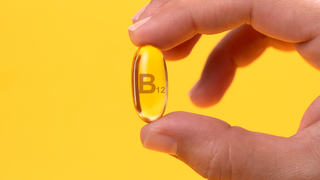
- Vitamin B12: It's important for nerve function and red blood cell formation. Any deficiencies can contribute to anaemia, fertility issues, and neurological complications in the baby.
Infection Screening Tests
- HIV: Early detection reduces infection transmission from mother to child.
- Hepatitis B and C: It helps identify chronic infections that may affect liver health and transmission risks to the baby.
- VDRL: Syphilis can contribute to stillbirth or congenital neurosyphilis. Prompt treatment before pregnancy eliminates negative pregnancy outcomes.
- Urine Routine and Culture: Urine routine and culture identify asymptomatic bacteriuria, which can lead to kidney infections or preterm labour.
TORCH Test
- Toxoplasma: Toxoplasma is required due to the exposure from undercooked meat, cat litter, or contaminated soil, which can lead to miscarriage and neurological issues in the foetus.
- Rubella: This is a contagious viral infection that is transmitted through the air from an infected person's cough or sneeze. Infections can cause congenital rubella syndrome, leading to heart defects, hearing loss, and developmental delays.
- Cytomegalovirus: CMV spreads through saliva, urine, semen, and breast milk. It is asymptomatic in adults, but weak immunity can affect the newborn and lead to congenital infections and hearing loss.
- Herpes Simplex Virus: HSV causes oral herpes, genital herpes, and infections.
Reproductive Health Tests
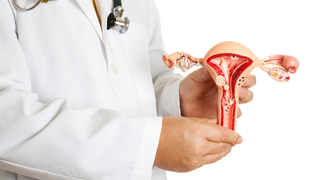
- Pelvic Ultrasound: It evaluates the uterus, ovaries, and endometrium. Pelvic ultrasound helps identify fibroids, ovarian cysts, uterine anomalies or polycystic ovaries.
- Pap Smear: Screen for cervical cell changes and human papillomavirus. Abnormal cell changes in the cervix can lead to cancer.
- Ovarian Reserve Tests: Anti-Müllerian Hormone, antral follicle count, and day-3 FSH tests are done to gauge fertility potential, diagnose diminished ovarian reserve or premature ovarian failure.
Male Fertility Screening
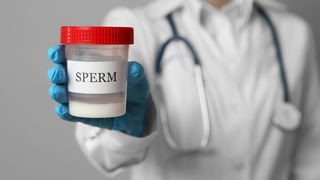
A partner's health is also equally important for better fertility and faster conception. Poor serum quality can lead to DNA Fragmentation, which reduces fertility, implantation, and early pregnancy loss. Certain infections can pass between partners and affect pregnancy outcomes. Husband's lifestyle, nutrition and stress levels influence conception and the baby’s long-term health.
- Semen Analysis: It evaluates sperm count, motility, morphology, and volume. Any issues or abnormalities can affect conception and increase the risk of miscarriage.
- Blood Sugar and Infections: Diabetes and infections such as HIV, hepatitis, or STIs can impact sperm quality and increase complications during pregnancy.
- Lifestyle Risk Assessment: Smoking, alcohol, drugs, chronic stress, poor sleep, and environmental toxin exposure can affect sperm health.
Other than the above tests, if you are a woman with existing conditions, you might be asked to follow strict lifestyle changes for better conception. PCOS can affect ovulation and insulin resistance, and lead to pregnancy complications. Underactive and overactive thyroid conditions increase the risk of miscarriage and developmental issues. Diabetes and autoimmune diseases can also lead to birth defects, miscarriage, and pregnancy complications. Preconception checkup and care diagnose the existing conditions and offer guidance for a better fertility and pregnancy journey.
You’re not alone in your journey when trying to conceive. Join our supportive community to connect with others, share experiences, and find encouragement every step of the way.
FAQs on Essential Preconception Health Checkup You Must Do
- At what age should I get a fertility check?
If you are under 35 and trying to conceive for more than a year and still not seeing any fruitful results, you must get a fertility checkup. If you are between 35 and 40, and still not getting pregnant after 6 months of trying, getting yourself checked helps. If you have irregular menses, heavy or absent periods, repeated miscarriages, and your partner has infertility issues, you must get a fertility checkup soon. - What happens at a preconception checkup?
At a preconception checkup, your doctor performs a physical exam, blood test, Pap smear, reviews the family’s medical history, including illness, surgeries, and genetic conditions, and provides counselling on diet, exercise, medication, and supplements. A preconception checkup is essential to identify and manage fertility issues and optimise health for better conception and pregnancy outcomes.