In this article:
What is the Follicular Phase?
The follicular phase is the first part of your menstrual cycle. A typical follicular phase begins with your menstrual cycle, i.e. the first day and ends on the day you ovulate. In most women, this phase lasts approximately 10 to 14 days, but it can be shorter or longer, depending on the individual's cycle.Your body is focused on growing and maturing an egg during this time, which will be released later during ovulation. Your brain and ovaries communicate through hormones to make it possible by rising and falling in a very specific order.
The Role of Hormones in the Follicular Phase
Hormones are chemical messengers that reach different parts of your body and communicate what to do through your blood. In the follicular phase, several hormones play key roles, especially the following:1. Follicle Stimulating Hormone (FSH)
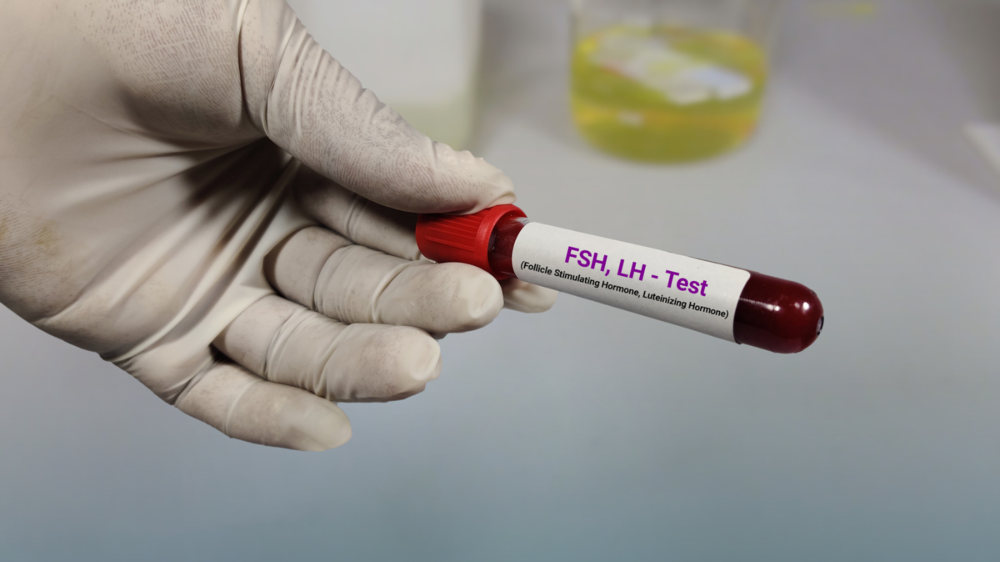
At the start of your cycle, your brain releases a hormone called follicle-stimulating hormone, or FSH. As the name suggests, this hormone is responsible for stimulating your ovaries to start growing several small follicles.Each follicle contains an immature egg, but only one of them usually becomes the dominant follicle that goes on to ovulate. FSH is at its highest level in the early days of the follicular phase and gradually decreases as the dominant follicle takes over.
2. Estrogen
Estrogen is one of the most important hormones during this phase. It is released in your body as the dominant follicle starts growing. It is responsible for the following conditions:- It helps thicken your uterine lining to prepare for a possible pregnancy.
- Sends a signal to your brain to slow down FSH production so that no more eggs are stimulated.
- Triggers the release of another hormone, LH, as ovulation approaches.
3. Luteinising Hormone (LH)
Estrogen reaches its peak as your follicular phase nears the end of your menstrual cycle. This peak level signals your brain to release a surge of luteinising hormone, also known as LH. The LH surge is the final step in the follicular phase, responsible for triggering ovulation.Ovulation usually happens about 24 to 36 hours after the LH surge. This marks the end of the follicular phase and the start of the luteal phase.
What Changes Happen in Your Body?
How does all this hormone activity affect the way you feel and function? You can observe the following common changes in your body during the follicular phase.- Increased energy and better mood: Rising estrogen levels often make you feel more alert, social, and focused.
- Improved skin and hair: Some women notice their skin looks clearer and less oily during this phase.
- Changes in cervical mucus: As estrogen increases, your cervical mucus becomes clearer, stretchier, and more slippery, which helps sperm move more easily.
- Mild pelvic discomfort: Some women feel a slight ache or pressure in one side of the pelvis as the dominant follicle grows.
Why the Follicular Phase is Important
The follicular phase sets the stage for everything that follows in your cycle. If your hormones are not balanced during this phase, ovulation may not happen. Your uterine lining may also not be ready to support a pregnancy.Tracking the follicular phase can help you know when you are most fertile, especially if you are trying to conceive. For those managing menstrual health issues like PCOS, irregular cycles, or hormonal imbalances, understanding this phase helps guide the treatment.
Can the Follicular Phase Vary?
The follicular phase is the most flexible part of your cycle. While the luteal phase (after ovulation) is usually around 14 days, the follicular phase can vary from person to person and even from month to month.Your follicular phase depends on how long your menstrual cycle lasts. While some variation is normal, large or unpredictable shifts may point to hormonal imbalances.
Stress, illness, travel, and changes in sleep or diet can all affect the length of the follicular phase. If you are tracking your cycle, keep a note of your patterns over time.
Supporting Your Hormonal Health in the Follicular Phase
To help your body through this phase, consider making small yet helpful lifestyle changes. These include:- Eating a balanced diet rich in whole grains, fruits, and vegetables.
- Getting enough sleep and managing stress through deep breathing or gentle movement.
- Staying hydrated and avoiding excessive caffeine and sugar intake.
- Light to moderate exercise can help regulate hormones.
Whether you are trying to conceive or want to better understand your body, paying attention to this phase provides important clues about your hormonal health.
FAQs on Hormonal Changes in the Follicular Phase Explained
- How long does the follicular phase usually last?
The follicular phase usually lasts between 10 to 14 days but can vary depending on your cycle length. Typically, it begins on the first day of your menstrual cycle and ends with ovulation. - What are the signs that I am in the follicular phase?
Common signs include lighter or reduced menstrual flow, rising energy, clearer skin, and changes in cervical mucus. These signs show that your body is preparing for ovulation. - Can a hormonal imbalance affect the follicular phase?
Yes, imbalances in FSH, estrogen, or other hormones can delay or prevent ovulation. It is a good idea to speak with your doctor if you have irregular cycles or are facing issues in conceiving.