In this article:
Let’s discuss how hCG works and what its levels typically look like in week 4, which can help you interpret results with confidence and reduce unnecessary worry during these early days of pregnancy.
What Is hCG and Why It Matters in Early Pregnancy
hCG, or human chorionic gonadotropin, is a hormone produced by the developing placenta soon after implantation. Once the fertilised egg attaches to the uterine lining, the body starts releasing hCG into the bloodstream.
This hormone supports early pregnancy by:
- Maintaining the uterine lining
- Preventing the next menstrual cycle
- Supporting progesterone production
When Does hCG Appear in the Body?
hCG does not appear immediately after fertilisation. The body starts producing it only after implantation, which usually occurs around 6–10 days after ovulation.
By week 4 of pregnancy:
- hCG becomes detectable in blood tests
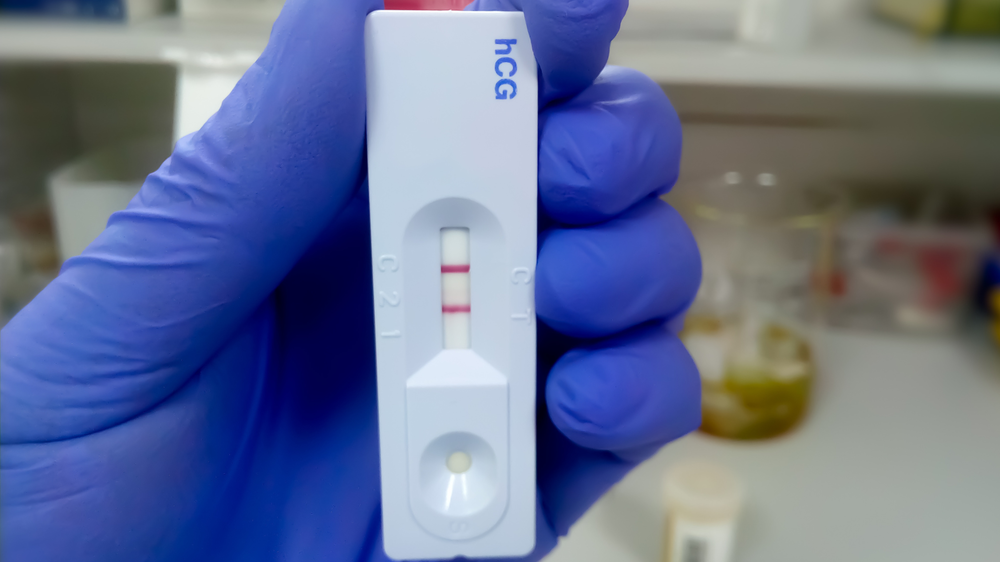
- Urine pregnancy tests often turn positive
- hCG levels begin to rise rapidly
Normal hCG Levels in Week 4
In week 4, hCG levels can vary widely among individuals. What matters most is not a single number, but how the level rises over time.Typical hCG ranges in week 4:
- 5 to 426 mIU/mL
Why hCG Levels Vary So Much?
hCG levels differ because:- Ovulation timing varies
- Implantation may occur earlier or later
- Each pregnancy develops at its own pace
Doctors focus on the pattern of change, not just a single reading.
How hCG Changes During Pregnancy Week 4?
During early pregnancy, hCG levels usually double every 48–72 hours. This steady rise suggests that the pregnancy is progressing normally.
In week 4:
- Levels start low and rise quickly
- Blood tests provide more accurate measurements than urine tests
- Repeat testing helps track healthy progression
What Low hCG Levels May Indicate?
Low hCG levels in week 4 do not always signal a problem. They may simply reflect:- Later ovulation
- Later implantation
- Very early testing
- A biochemical pregnancy
- Risk of miscarriage
- Ectopic pregnancy
What High hCG Levels May Mean?
Higher-than-average hCG levels can occur due to:- Earlier implantation
- Incorrect dating of pregnancy
- Multiple pregnancies (such as twins)
Warning Signs in Week 4: When to Contact Your Doctor
Early pregnancy often comes with mild discomforts, but some symptoms need prompt medical attention. Recognising these signs early helps protect your health and supports timely care during this sensitive stage.Severe abdominal pain
Vaginal bleeding
Dizziness or fainting
Very slow or falling hCG levels
What to Do Next?
- Follow your doctor’s advice on repeat testing
- Avoid comparing your hCG levels with others
- Attend scheduled follow-up appointments
- Take prescribed prenatal supplements
- Focus on rest and emotional well-being
You’re not alone in your journey when trying to conceive. Join our supportive community to connect with others, share experiences, and find encouragement every step of the way.
FAQs on hCG Levels in Week 4: When Are They Normal and When to Worry?
- What is a normal hCG level at 4 weeks?
Normal levels usually range from 5 to 426 mIU/mL, depending on timing. - Should hCG double every two days?
In early pregnancy, hCG often doubles every 48–72 hours, though slight variation is normal. - Can I have low hCG and still have a healthy pregnancy?
Yes. Many healthy pregnancies start with lower hCG levels that rise steadily.