In this article:
What Happens During Ovulation in Your Body
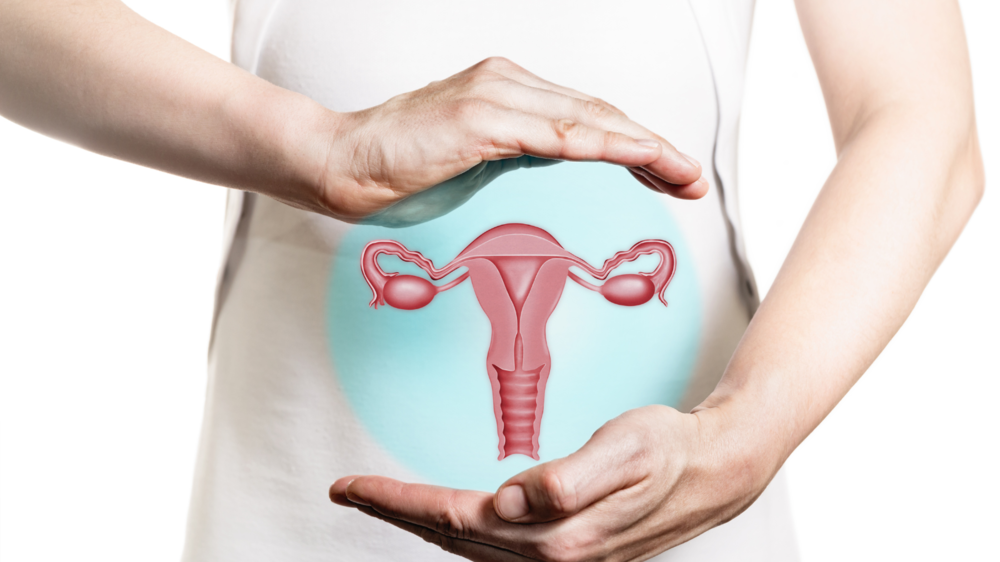
Usually, ovulation falls right in the middle of your cycle, from day 12 to day 16 in a 'normal' 28-day rhythm. At this time, one of your ovaries releases a mature egg into the fallopian tube.
This process is maintained throughout your body, increasing the production of hormones, such as oestrogen and luteinising hormone. These hormonal changes affect the ovaries, as well as all surrounding tissues, blood vessels, and even muscles; these changes cause the release of the egg and, potentially, fertilisation.
Why does ovulation increase pelvic blood flow?
Blood flow to the pelvic region increases, taking up the responsibility of nurturing the reproductive organs – ovaries, uterus, and fallopian tubes.Hormonal Influence on Blood Vessels
As oestrogen increases during ovulation, the pelvic vessels dilate. The increased blood flow brings more oxygen and nutrition to the reproductive tissues in anticipation of the release of an egg and possible fertilisation.Supporting the release of the egg
An extra blood supply is needed to back up the rupture of the follicle that has to take place to release the egg. The increased circulation helps to reduce tissue stress and heal after ovulation.Which of the pelvic organs are affected by the increased blood flow?
This serves to increase circulation to several pelvic organs:Ovaries
Blood flow around the ovary increases when an egg is about to be released, enabling follicle growth and the maturation of the egg.Uterus
The uterus receives a larger supply of blood to prepare the uterine lining for possible implantation. A thicker, well-nourished lining increases the likelihood of a fertilised egg implanting successfully.Fallopian Tubes
Improved circulation aids the fallopian tubes in gently guiding the egg toward the uterus.What Does It Feel Like to Have Increased Blood Flow During Ovulation?
You may or may not feel the difference. It is different for everyone.
Common experiences include:
- Mild pelvic fullness
- A dull ache on one side of the lower abdomen
- Warmth in the pelvic area
- Increased vaginal discharge
Is Ovulation Pain Associated with Changes in Blood Flow?
Yes. The increased blood flow can make tissues more sensitive.
Rationale for Increased Sensitivity
Areas rich in blood are more sensitive to pressure and stretching. As the ovary lets out the egg, the nearby nerves can react to the change.Criteria for Normal Discomfort
The pain associated with ovulation usually takes a few minutes to a few hours and does not interfere with one’s daily routine. Pain that is severe, chronic, or progressive should be assessed by a physician.Does Increased Pelvic Blood Flow Affect Fertility?
An increase in blood flow is a positive factor in fertility.Enhanced Egg Quality Support
Proper circulation helps to ensure that the ovary is well supplied with oxygen and nutrients, which is important for the normal release of eggs.Improved Uterine Preparation
Increased blood flow helps to thicken the uterine lining, which will improve the chances of implantation if conception takes place.Can Other Symptoms Be Caused by Increased Blood Flow?
Yes. When the circulation increases, other physical changes may also take place.Alterations in Vaginal Discharge
Oestrogen levels increase the production of cervical mucus. The mucus produced is usually clear, slippery, and elastic, allowing sperm to move through it easily.Pelvic Heaviness
Some women experience a sensation of pressure or heaviness due to the increased blood volume in the pelvic tissues. This usually resolves after ovulation.When Is Increased Pelvic Blood Flow Abnormal?
Though an increase in blood flow is expected during ovulation, there are some symptoms that require a visit to the doctor.One should seek the advice of a healthcare provider if the following symptoms are experienced:
- Severe pelvic pain
- Pain lasting for several days
- Heavy bleeding other than during the normal menstrual cycle
- Fever with pelvic discomfort
- Painful sexual intercourse
How Do Lifestyle Factors Affect Pelvic Blood Flow?
Your habits affect blood circulation in your body, including your pelvis.Physical Activity
Low-intensity exercise may increase blood flow and reduce pain symptoms related to ovulation.Stress Levels
Stress can affect hormone and blood vessel regulation. Reducing stress helps the ovulation process.Hydration and Nutrition
Adequate hydration and a healthy diet are essential in maintaining the volume of blood as well as the health of blood vessels.How Can You Support Healthy Pelvic Circulation During Ovulation?
You can support your body naturally during this phase with the following steps:- Hydration throughout the cycle
- Participating in light physical activity
- Preventing prolonged sitting
- Selecting iron-fortified and iron-rich
- Relaxation techniques practice
Emotional and Mental Aspects of Ovulation Changes
Ovulation may also cause physical changes that can affect a woman’s emotions. Changes in hormones can increase a woman’s sensitivity to the sensations in her body. Women can feel relieved if they understand that these changes are normal. Women can also communicate with their partners about the changes they are experiencing.What Should You Do Next? A Simple Checklist
- Monitor your menstrual cycle regularly
- Note symptoms related to ovulation
- Deal with stress and make sleep a priority
- Hydrate and nourish
- Consult a doctor for unusual pain
- Talk about worries with your doctor
Ovulation increases the amount of blood flowing to the pelvic region as the body prepares for a potential pregnancy. Increased blood flow helps with the discharge of the egg, the functions of the hormones, and the preparation of the uterus and surrounding reproductive organs. As a result of the increased blood flow to the ovaries, uterus, and fallopian tubes, you may experience some sensations of heaviness, warmth, or discomfort in the pelvic region.
By understanding why these changes are occurring and maintaining a healthy lifestyle by staying hydrated, exercising, and managing stress, you can help your reproductive system and go into ovulation with more confidence and knowledge of what is normal for your body.
You’re not alone in your journey when trying to conceive. Join our supportive community to connect with others, share experiences, and find encouragement every step of the way.
FAQs on How Ovulation Increases Pelvic Blood Flow
- Can increased pelvic blood flow cause bloating during ovulation?
Yes. The increase in the levels of oestrogen and the blood flow in the pelvis during ovulation may cause mild bloating or a sensation of fullness. - Does pelvic blood flow increase during every ovulation cycle?
Yes. In most regular menstrual cycles, however, symptom severity may fluctuate from cycle to cycle. - Can ovulation-related blood flow changes be detected through medical tests?
Yes. The increased blood flow around the ovary may, at times, be visible through specialised imaging procedures such as Doppler ultrasound.