Replenishing iron lost during menstruation is crucial, not just for energy but also for overall reproductive and hormonal health. Therefore, including iron-rich foods in your diet can support your body, rebuild energy stores, and reduce period-related fatigue.
Let’s discuss the importance of an iron-rich diet, top iron-rich foods to add to your diet, and how to absorb iron better in your body.
In this article:
Why is Iron Important During Your Period?
Iron is an essential mineral that supports overall health, and its importance is especially pronounced during menstruation. Here’s why iron matters during your period.Supports Energy Levels
- Iron is a key component of haemoglobin, the protein in red blood cells that carries oxygen to all parts of the body. Adequate iron ensures that oxygen reaches your cells efficiently, which prevents fatigue, weakness, and low energy. During menstruation, when blood loss can temporarily reduce iron levels, maintaining sufficient iron intake helps you stay active and alert throughout the day.
Iron contributes to the production and regulation of hormones that govern the menstrual cycle and reproductive health. Low iron levels can disrupt hormonal balance, potentially affecting ovulation, cycle regularity, and overall reproductive function. Consuming iron-rich foods supports hormone synthesis, helping the body maintain a smooth and consistent menstrual cycle.
Boosts Immunity
- Iron plays a vital role in strengthening the immune system. Adequate iron levels enable your body to produce the white blood cells and enzymes needed to fight infections and recover efficiently from blood loss. Supporting immunity during menstruation reduces susceptibility to illness and promotes faster recovery from the physical strain of your cycle.
- Iron is crucial for brain health as it facilitates oxygen transport to the brain, enhancing focus, memory, and concentration. Low iron levels during menstruation can lead to difficulties with clear thinking, reduced attention span, and slower cognitive performance. Sufficient iron intake helps maintain optimal brain function and mental clarity throughout your cycle.
Confused by pregnancy or fertility advice online? Get clarity from experts at Times Future of Maternity 2026.
What are the Top Iron-Rich Foods to Include?
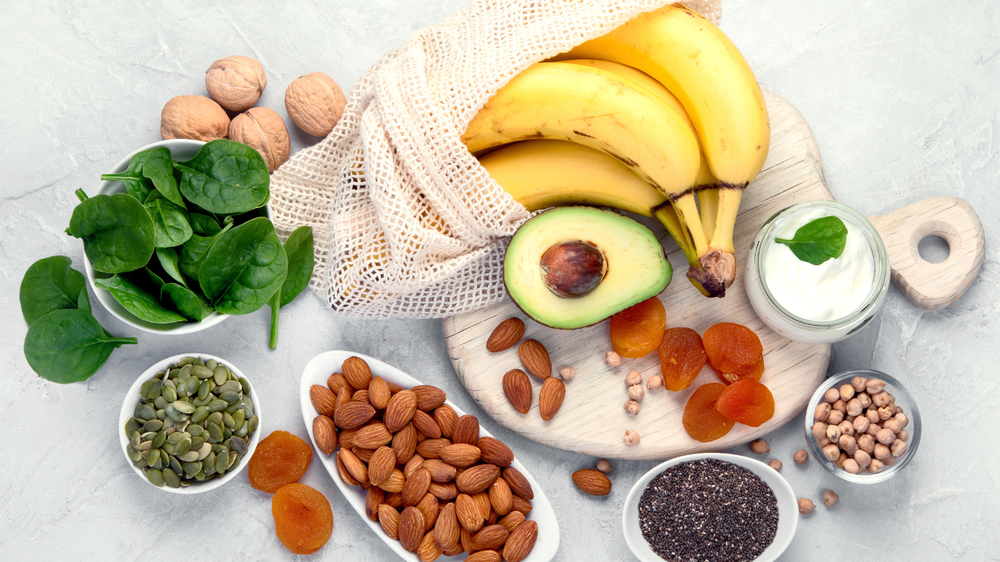
Including iron-rich foods in your diet is essential to replenish lost iron during your period, maintain energy levels, and support overall reproductive and hormonal health. Here are the top foods to replenish iron during and after your period, along with tips to maximise absorption:Leafy Green Vegetables
- Spinach (palak), methi (fenugreek leaves), amaranth (chaulai), and kale are excellent plant-based sources of non-heme iron. Non-heme iron is better absorbed when paired with vitamin C-rich foods. Add greens to soups, parathas, or stir-fries and pair with citrus fruits, tomatoes, or bell peppers for better absorption.
- Dals, chickpeas (chana), kidney beans (rajma), and black-eyed peas provide iron and protein. Including these in daily meals such as dal, chana masala, or soups ensures steady iron intake while keeping meals filling and nutritious.
- Almonds (badam), cashews (kaju), pumpkin seeds, and flaxseeds (alsi) are rich in iron, healthy fats, and other essential minerals. Snack on a handful of nuts, sprinkle seeds on salads or yoghurt, or include them in smoothies to boost iron levels naturally.
- Lean meats such as chicken, turkey, and red meat (like mutton or beef, if culturally appropriate) are rich in heme iron, which is more readily absorbed than plant-based iron. Try to add moderate amounts to your diet to help replenish iron quickly.
- Fish like mackerel, salmon, and sardines, as well as shellfish like clams and mussels, are excellent sources of heme iron. Fish also provides omega-3 fatty acids, which support overall reproductive and cardiovascular health.
How to Maximise Iron Absorption in Your Body?
Maximising iron absorption from your diet ensures your body effectively replenishes the iron lost during menstruation. Here are practical tips to help your body absorb iron efficiently.Pair Iron with Vitamin C
- Consume iron-rich foods alongside vitamin C sources such as oranges, guava, bell peppers, tomatoes, or amla. Vitamin C enhances the absorption of non-heme iron from plant-based foods.
- Include both animal-based (heme) and plant-based (non-heme) iron sources in your meals. Heme iron from meat, fish, or poultry improves the absorption of non-heme iron from vegetables and legumes.
- Tannins in tea and coffee can inhibit iron absorption. Consume these beverages at least an hour before or after meals to prevent interference.
- Cooking in cast-iron pans slightly increases the iron content of your food, especially in acidic dishes like tomato-based curries.
You’re not alone in your journey when trying to conceive. Join our supportive community to connect with others, share experiences, and find encouragement every step of the way.
FAQs on Iron-Rich Foods to Rebuild What You Lose During Your Period
- How much iron do women lose during periods?
On average, women lose 1–2 mg of iron per day of menstruation, depending on flow. Heavy periods may lead to greater losses. - Can iron supplements help?
Yes, doctors may recommend Iron supplements for those with anaemia or a significant deficiency. Always consult a healthcare provider before starting supplementation