In this article:
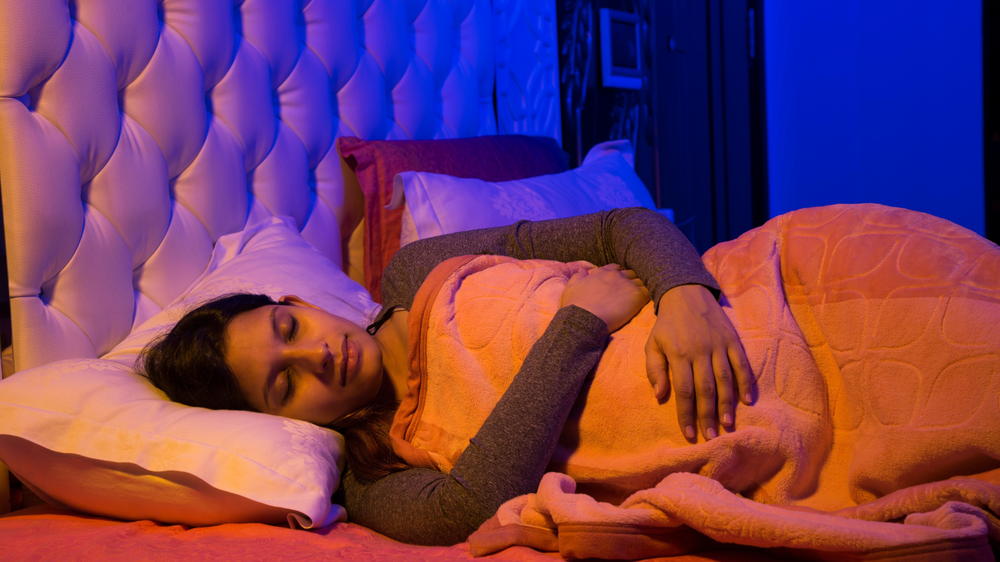
Sleep isn't merely a time to rest. During this active biological phase, hormones are released, tissues heal, and the nervous system starts over. People typically talk about how long they sleep, but finding a neutral, comfortable sleeping position might help you feel more in charge of your hormonal health.
When sleep posture consistently strains the neck, jaw, chest, or abdomen, it can interfere with the body’s ability to settle into restorative sleep stages fully. Hormone release depends heavily on these deeper stages of sleep. Over time, poor posture can quietly disrupt hormonal rhythms without causing obvious pain or sleep loss.
How Hormone Release Depends on Sleep Quality
Hormones are released in specific patterns during sleep.
Many key hormones rely on:
- Stable breathing and oxygen levels
- Uninterrupted deep sleep cycles
- A calm nervous system state
- Efficient circulation
When sleep posture interferes with any of these, hormone release may become less efficient or less well-timed. It does not usually cause dramatic symptoms. Instead, it creates subtle imbalances that accumulate over time. Sleep posture shapes the environment in which hormone release changes.
Nervous System and Body Position at Night
The nervous system responds constantly to body position. When your posture places the body under strain:- The nervous system receives signals of tension
- Muscle guarding increases
- Relaxation responses are reduced
- Stress hormone signalling may remain slightly elevated
Positions that twist the spine, compress the chest, or strain the neck can keep the nervous system from fully entering a restorative state. It affects the balance between stress hormones and reproductive hormones. A nervous system that does not fully settle cannot fully support hormonal regulation.
Breathing Quality and Sleep Position
Your posture significantly affects how you breathe while you sleep. Bad sleep posture can:- Put pressure on the chest or diaphragm
- Make people breathe through their mouths
- Make oxygen less useful
- Make micro-awakenings more common
Oxygen Supply and Hormone Function
Oxygen levels change as breathing becomes shallow or stops. For hormone-producing glands to work their best while you sleep, they need a steady supply of oxygen. Over time, breathing problems can get in the way of:
- Controlling stress hormones
- Signalling related to the thyroid
- The rhythm of reproductive hormones
Body positions that put strain on major blood vessels or fold the body tightly can make blood flow less smoothly. It may not cause pain or numbness, but it can affect how well hormones are transported and removed from the body. Hormonal communication can be less precise when blood flow isn't good during sleep.
Neck and Jaw Tension During Sleep
Sleep posture often affects the neck and jaw. When the head is tilted, unsupported, or rotated for prolonged periods:- Jaw clenching may increase
- Neck muscles remain activated
- Facial tension persists through the night
- Stress signalling remains elevated
How Tension Affects Stress Hormones
Stress responses are directly related to the jaw and neck. If these areas stay tense, the body may remain on guard, which might make it harder for hormones to recuperate as you sleep. Relaxed alignment helps keep hormones quiet.
Posture While Sleeping & Sleep Fragmentation
Bad posture can make you wake up a little bit. These awakenings might not wake you up all the way, but they do break up your deep sleep cycles. Hormone release depends on sleep stages that don't stop.
Fragmented sleep can:
- Reduce growth and repair hormone release
- Raise the amount of stress hormones released
- Disrupt reproductive hormone timing
- Changes the equilibrium of metabolic hormones
Even if you get enough sleep overall, fragmentation can degrade sleep quality enough to affect hormones.
Why are Hormonal Effects Not Immediate?
The effects of poor sleep posture are cumulative. One night of strain may not cause noticeable changes, but consistent positioning habits can quietly influence your hormonal balance over weeks or months, encouraging you to stay mindful and proactive.Hormonal systems respond to patterns rather than isolated occurrences. That's why people often don't recognise the impacts of bad posture until hormonal symptoms persist longer than expected or are unexplained. Awareness lets you fix things before they get worse, rather than worrying about them after they happen.
Rhythm of Reproductive Hormones & Sleep Posture
Hormones that help in reproduction follow circadian rhythms. These rhythms depend on:- Going to bed & waking up at the same time.
- How well you sleep deeply.
- Stable states of the neurological system.
Bad posture can change the way you sleep and make these rhythms less accurate. It can affect the quality of ovulation, the stability of the luteal phase, and the overall consistency of hormone levels, but it won't change the length of the cycle. Cycles may seem normal, but the rhythms inside you may not feel as steady.
Common Poor Sleep Postures to Avoid
Specific sleep positions can affect hormone recovery. Understanding how these positions affect your body helps you make practical adjustments to improve your hormonal health.These include:
- Sleeping with the neck sharply bent or rotated.
- Curling tightly into a fetal position that compresses the chest.
- Sleeping on the stomach with the head twisted.
- Using pillows that do not support spinal alignment.
Habitual poor sleep postures or using unsupportive pillows can affect hormone release. Recognising these habits and making simple changes can improve sleep quality and support hormonal health.
What Poor Sleep Posture Does Not Do?
It is essential to be realistic. Poor sleep posture:- Does not single-handedly cause fertility problems.
- Does not take the place of age or medical issues.
- Doesn't have to be flawless to be useful.
People frequently think of sleep as a passive way to rest; however, your posture actively supports hormonal health. Even though complete alignment isn't always attainable, small, comfortable changes can significantly improve your hormonal balance without making you feel like you're doing too much.
Poor sleep posture can quietly affect hormone release by disrupting breathing, circulation, nervous system relaxation, and sleep depth. These disruptions influence how efficiently hormones are released and regulated overnight.
When trying to get pregnant, tiny things like how you sleep might add up to significant changes in your hormones. When you sleep in a comfortable, neutral position, your body can enter restorative stages that allow it to fully replenish hormones. Knowing this link helps you take care of your hormones without being afraid or overcorrecting.
You’re not alone in your journey when trying to conceive. Join our supportive community to connect with others, share experiences, and find encouragement every step of the way.
FAQs on How Poor Sleep Posture Can Affect Hormone Release
- Does the way you sleep truly affect your hormone levels?
Yes, posture impacts breathing, circulation, the neurological system, and how deeply you sleep, all of which affect hormone release. - Does bad posture mess with hormones right away?
No, the effects build up over time rather than happening all at once. - Do I need perfect posture for hormonal health?
No, minor improvements and comfort-focused adjustments are enough to support better hormonal recovery over time.