In this article:
Understanding these PCOD-specific challenges can help individuals recognise what’s actually happening in their bodies, instead of relying on generic explanations that don’t apply to them.
What Exactly Happens in PCOD?
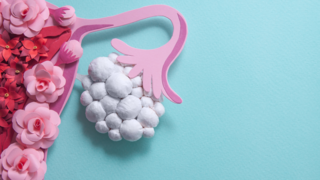
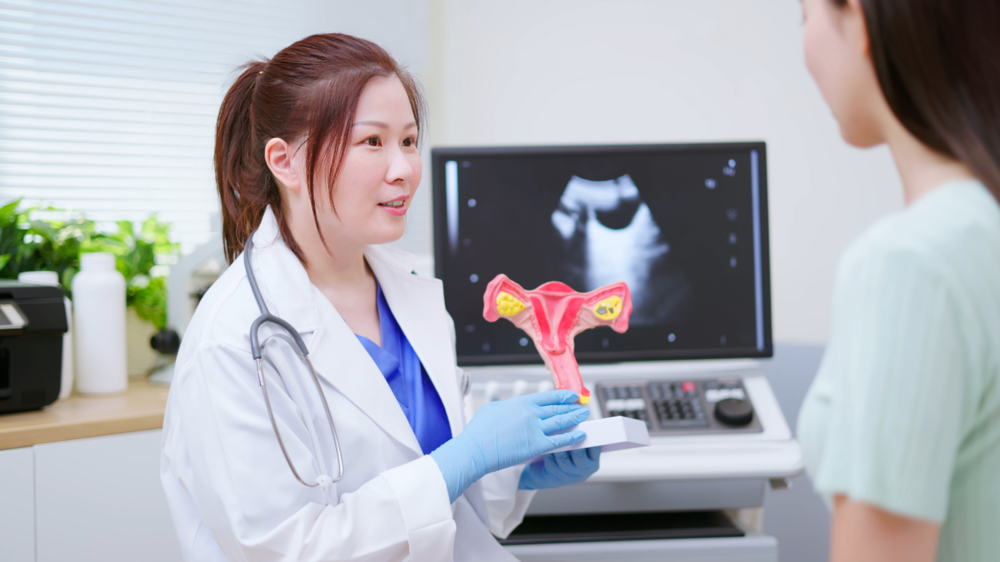
In scientific terms, PCOD or Polycystic ovarian disease, is a condition where your ovaries produce higher than normal amounts of androgens (male hormones). This hormonal imbalance prevents eggs from maturing properly, leading to irregular or absent ovulation. As a result, small fluid-filled sacs called cysts may form in your ovaries. And because of all this, irregular ovulation happens, which leads to a decrease in the chances of natural conception. If you are worried about it, whether you have it or not. There is a list of symptoms health experts provide to stay cautious.You can examine it, but please don't self-diagnose and panic; there are many common symptoms which lead to different conditions. You should consult a doctor first.
- Irregular or missed period from regular cycle.
- Losing weight feels like a challenge, or gaining weight faster.
- Skin prone to acne.
How Is PCOD-Related Infertility Different From Other Types?
While many individuals experience infertility due to physical issues like blocked fallopian tubes, endometriosis, or low egg quality, PCOD infertility stems primarily from hormonal imbalance and ovulation problems.- It’s hormonal, not structural – The main problem in PCOD is not linked with damaging your reproductive system; it interferes with the hormonal signals that control them.
- Cycles are unpredictable – PCOD is different from rest fertility issues, unlike them, in which ovulation still occurs, it skips the ovulation completely or ovulates irregularly.
- It affects metabolism too – PCOD often leads to insulin resistance, which can further disrupt hormones and make conception harder.
- Weight plays a crucial role – your fertility problem and PCOD are highly influenced by weight; even a slight gain in weight can worsen them.
- Long-term impact – PCOD can increase risks of diabetes, heart issues, and mood changes, unlike some other short-term infertility causes.
Why Do Hormones Play Such a Big Role in PCOD Infertility?
Your body’s hormones are like a well-coordinated orchestra. In PCOD, this harmony gets disrupted.- Too much insulin in the body spikes androgen production, which interferes with egg maturation, stopping them from being mature.
- High levels of androgen lead to irregular periods, disturbing ovulation.
- Low progesterone causes difficulty in maintaining early pregnancy.
Can You Still Conceive Naturally With PCOD?
Definitely, you can conceive even with PCOD, many individuals conceived by maintaining a healthy lifestyle, tracking the symptoms and seeking medical help.- Eating a healthy and balanced diet.
- Managing stress with yoga or meditation.
- Reach out for a doctor if ovulation-inducing medications are required.
How Is PCOD Infertility Treated Differently by Doctors?
The treatment of PCOD is not rushed; it's done step by step, by managing hormones to restore ovulation rather than directly jumping into high-dose treatment.- Lifestyle modification: Switching to a healthier lifestyle makes it easier to deal with PCOD.
- Hormonal therapy: Used when cycles need regulation.
- Fertility procedures: In some cases, IVF (In-Vitro Fertilisation) or IUI (Intrauterine Insemination) may be advised if natural conception doesn’t occur.
How Does PCOD Affect You Emotionally and Socially?
Your emotions can be heavily impacted by PCOD and infertility. You might feel anxious, frustrated, and repeated doctor visits and hormonal imbalance can make you feel heavy and messed up.- Talk openly with your partner – Let your partner know about your condition and build emotional understanding.
- Don’t blame yourself – This is not your fault, it’s a medical condition.
- Seek professional counselling – Seeking help from professionals helps you to manage your emotions well.
What Can You Do to Improve Fertility Naturally With PCOD?
Here’s a simple checklist to support your fertility journey:- Make a habit of eating healthy food rich in nutrients and whole grains.
- Do a light workout or exercise for at least half an hour a day.
- Sleep well—aim for 7–8 hours nightly.
- Manage stress with mindfulness practices.
- Monitor your periods and visit the doctor at regular intervals.
When Should You See a Doctor?
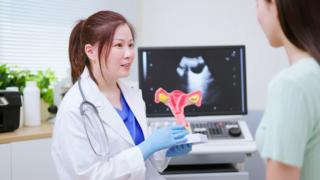
Look out for a specialist or gynaecologist if:- Even after trying for a year to conceive, you aren’t getting a positive result.
- Noticing the irregular or no periods.
- You have a family history of diabetes or PCOD.
Remember, every step you take toward better health brings you closer to your goal.
You’re not alone in your journey when trying to conceive. Join our supportive community to connect with others, share experiences, and find encouragement every step of the way.
FAQs on What Makes PCOD-Related Infertility Different From Other Causes
- Can pregnancy cure PCOD?
Even though long-term healthy habits can only control PCOD, during and after pregnancy, the change in hormones may ease symptoms for the short term. - What is the rate of success if opting for conception with PCOD treatment?
70-80% of individuals with PCOD can conceive naturally or with medical help with the help of a healthy lifestyle and treatment. - Are PCOD and PCOS the same?
No, PCOD refers to multiple immature eggs in the ovaries, while PCOS (Polycystic Ovary Syndrome) is more severe with broader hormonal disorder affecting multiple body systems.