In this article:
How Breastfeeding Works
Milk production and milk release are the two main processes of breastfeeding. If you just understand the basis, you would know where alcohol may play a role. Some of the key factors are as follows:- Milk production: Controlled by the hormone prolactin.
- Milk release is guided by oxytocin, which triggers the letdown reflex.
- Supply & demand: The more you breastfeed your baby, the more milk you produce.
- Hormonal rhythm: Your body adjusts hormone levels based on feeding patterns.
How Alcohol Affects Hormones
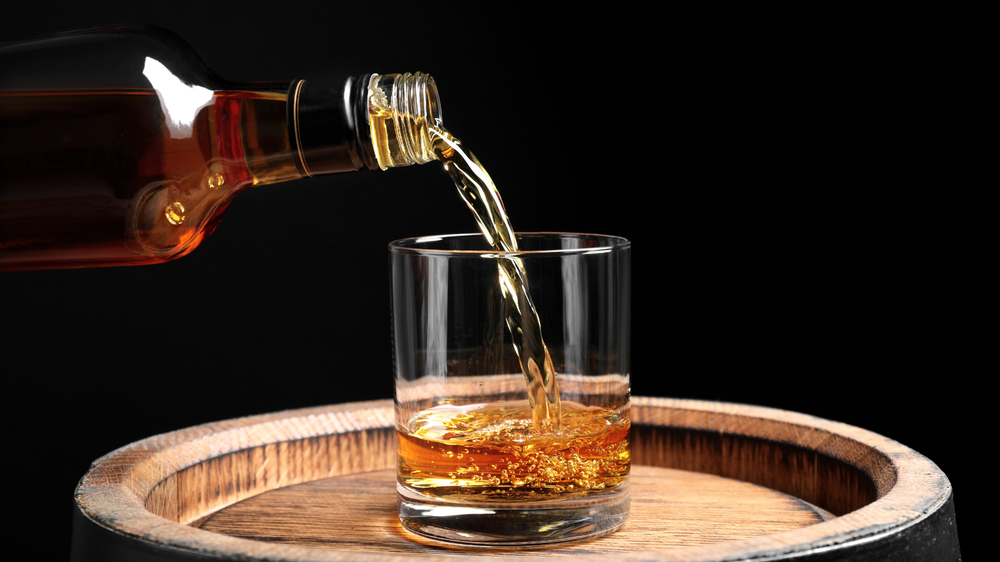
Alcohol can temporarily change the balance of hormones, especially those that control breast milk production. The impact is contingent upon the timing and quantity of alcohol ingested. Hormones That Could Be Affected:- Prolactin: An essential hormone for making milk.
- Oxytocin: Helps the milk flow when you feed.
- Stress hormones: may change for a short time after drinking alcohol.
- Hormones that control sleep can affect how hungry you feel and when you eat.
Early Pregnancy Exposure and Nursing
A lot of women drink alcohol before they notice the first signs of pregnancy. If this has happened to you, you may worry about long-term breastfeeding outcomes. In most cases, the body recovers quickly once alcohol consumption stops.Why Early Exposure Usually Has Limited Effect
- Lactation hormones rise much later in pregnancy.
- Early habits do not determine future milk supply.
- Prolactin surges occur closer to birth.
Alcohol During Later Pregnancy
During the second and third trimesters, the breasts continue preparing for milk production. Alcohol consumed during this time may cause temporary hormonal changes, but long-term effects are not predictable.Possible Late Pregnancy Influences
- Temporary changes in prolactin rhythm.
- Disruption to sleep patterns that support lactation hormones.
- Emotional stress may influence breastfeeding confidence.
How Alcohol May Influence Milk Production After Birth
After delivery, prolactin rises sharply, helping your body initiate milk production. Alcohol consumed near breastfeeding sessions after birth may influence this process. Possible Short-Term Effects:- Slower onset of the letdown reflex.
- Temporary reduction in milk expression.
- Baby is feeding more frequently due to slower flow.
- Mild changes in milk taste may affect an infant's interest in milk.
How Alcohol Can Influence Your Baby’s Feeding Behaviour
Babies respond to subtle changes in milk flow and taste. Alcohol-related changes may temporarily affect the feeding pattern, not the long-term ability to breastfeed. Effects You May Notice:- Baby may take slightly longer to settle.
- Baby may help with group feeding for a short time.
- Some babies show slight changes in their preferences.
- Sleep and wake cycles might change temporarily.
How Alcohol Affects the Release of Milk
The letdown reflex is mediated by oxytocin. Alcohol may temporarily slow this response, making the milk come out more slowly. Things to Think About When You Let Someone Down:- This effect can get worse when you're stressed or tired.
- Helpful places can stop it.
- Touching skin-to-skin helps release oxytocin.
- A calm routine helps things go more smoothly.
Preparing for Successful Breastfeeding
Your breastfeeding journey is influenced more by support, education and confidence than by occasional past alcohol use. Preparing for breastfeeding helps build intense routines from day one. Helpful Preparation Steps:- Learn about proper latch and feeding positions.
- Speak to a lactation consultant during pregnancy.
- Practiseskin-to-skinn contact after birth.
- Set realistic expectations for early feeding patterns.
- Surround yourself with supportive people.
How to Support Hormone Balance Before Birth
Simple, healthy habits can help your hormones work better. Habits that help hormones:- Make sleep a priority to keep your hormones in check.
- Eat healthy foods that help you stay energised.
- Drink enough water to keep your blood flowing well.
- Do gentle movements while pregnant.
- Use calming routines to deal with stress.
When to Get Professional Help
Consulting your doctor or nurse can help you feel better if you're not sure about breastfeeding after drinking during pregnancy. Signs that you might need help:- Be concerned about a hormonal imbalance.
- Concerns about supply in past pregnancies.
- A history of being dependent on alcohol.
- Stressful emotions can lower your confidence.
Breastfeeding Success Is Not Determined By the Past
Many women who consumed alcohol before pregnancy or early in pregnancy go on to breastfeed successfully. Your breastfeeding journey is shaped more by the support you receive, your environment and your post-birth choices than by earlier habits. What Truly Matters:- Consistent feeding patterns after birth.
- Immediate and ongoing breastfeeding support.
- Emotional stability and rest.
- Avoiding alcohol during breastfeeding sessions.
Alcohol can influence hormonal patterns and breastfeeding dynamics, but much of its effect is temporary and manageable. Understanding how alcohol interacts with lactation hormones, how timing shapes impact and how supportive habits restore balance can help you feel calmer and more prepared. With guidance, confidence, and nurturing support, you can build a successful breastfeeding journey, regardless of prior experience.
Whether you’re pregnant, a new mom, or navigating postpartum, you don’t have to do it alone. Join our support group to connect, share, and support one another.
FAQs on Alcohol and Its Impact on Future Breastfeeding Success
- Can drinking alcohol before getting pregnant make it harder for me to breastfeed?
Not likely. Breastfeeding depends on hormonal changes that occur later in pregnancy and after birth. - If I drank before I knew I was pregnant, can I still breastfeed?
Yes. Early exposure does not mean that breastfeeding will be successful. Good habits now lead to good results. - Does drinking alcohol after giving birth affect the flow of milk?
It might change the taste or letdown for a short time. These effects get better once the alcohol leaves your body.