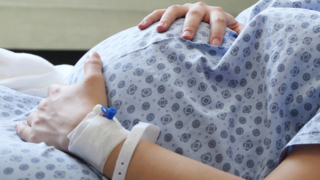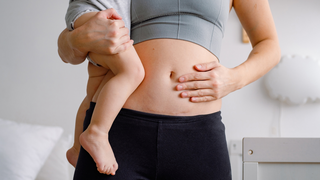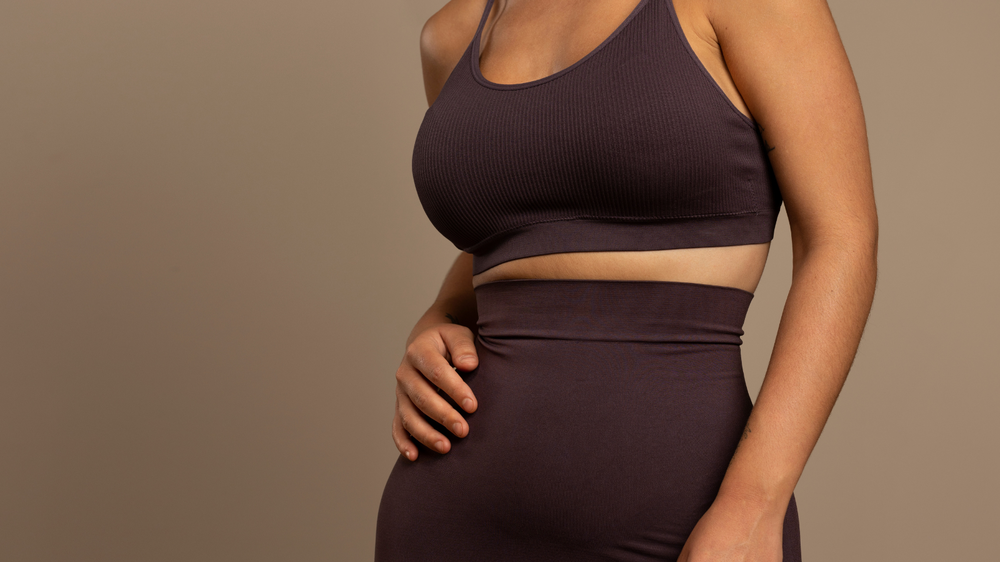
Now people started using postpartum shapewear to provide the same support and recover from vagina and C-section birth. Postpartum Shapewear is not your fancy shapewear; it is made with breathable, hypoallergenic fabric. These shapewear pieces offer gentle pressure to support circulation, reduce swelling, and strengthen weak muscles.
Postpartum Shapewear
Medical abdominal binders or postpartum shapewear provide therapeutic compression to alleviate pain and improve mobility. Commercial shapewear prioritised slimming the sides, but it lacks a pelvis cup pritz and delays healing. Medical binders are customised to provide healing, pain relief, and mobility.Slimming shapewear and postpartum shapers help reduce back pain and improve confidence to move and perform basic activities. Here are two types of postpartum shapewear.
- Belly Binders: These are adjustable wraps made with elastic material. These are used after C-section to provide external support and reduce discomfort during movement, walking, coughing, or laughing.
- Compression Shorts: These come in full-leg or torso shorts that provide uniform pressure to the abdomen, hips, and thighs. These are used to boost blood circulation in the lower body and support the pelvic region.
Body Changes After Delivery
After delivery, your uterus starts to involute and shrink back to its pre-pregnancy size. It is driven by hormonal changes and uterine muscle contractions. During this process, postpartum women experience lochia, mirroring heavy periods. Abdominal muscles and connective tissues stretch during pregnancy to accommodate the growing baby. After birth, the muscles don't shrink. It takes time to flatten.Though pregnancy hormones drop instantly after childbirth, relaxin hormones remain high for weeks, which keeps ligaments and connective tissues pliable. Vaginal birth causes trauma to the pelvic floor and perineum. All these need at least 6-12 months of healing time, paired with nutrition, rest, movement practices, and hydration. External compression doesn't fasten this process. They help you counter pressure and support posture.
Postpartum Belly Band Benefits
- Core Stability: Shapewear gives external compression to the transverse Abdominis. This compression supports spine alignment and reduces lower back pain. Gentle external support reduces strain and provides temporary stabilisation.
- Pain Reduction: After delivery, whether by C-section or vaginal delivery, mobility is limited, which reduces your recovery speed. Abdominal binders reduce pain perception and comfort around the incision site. This acts as a supportive pressure that can help your tolatere move, cough, and laugh.
- Functional Support: As a new mother, the delivery trauma, moving from one side to the other, can feel demanding. Standing, walking for a short distance, and nursing a baby may trigger pain and heaviness. Shapewear support can make the pain more manageable and support the function.
- Comfort: Compression distributes the load and enhances body awareness. This provides comfort and security for new moms.
Potential Risks of Postpartum Shapewear
- Increased Pressure: Prolonged compression increases pressure in the abdominal cavity, which is transmitted downward to the pelvic floor. This can worsen incontinence and delay recovery.
- Diastasis Recti Mismanagement: Wrapping too tightly doesn't heal the separation of abdominal muscles. The body usually heals itself from small diastasis within four to eight weeks. Severe diastasis recti may take a year or longer to recover.
- Difficulty Breathing: Tight shapewear restricts diaphragmatic breathing, making breathing shallow and impairing lymphatic drainage.
- Skin Problems: Overuse of shapewear restricts airflow to the surgical area and slows healing. Tight shapewear can irritate c-section wounds and increase moisture retention.
Belly Binding After Vaginal Delivery
After vaginal birth, your pelvic floor would be weak and sensitive. The stretching during delivery can cause trauma to the area. Tightening the belly for a long time or too early can increase intra-abdominal pressure and transmit the load downward, reducing pelvic floor recovery. If you choose to use a binder, don't wear too long or too tight.Belly Binding After C-Section
During the early postoperative period, you might be recommended to use abdominal binders to reduce incision pain and help you regain stability to move. Shapewear is just used for functional help. It should not directly compress the wound. Too-tight and too-long compression may restrict oxygen and retain moisture, impairing healing.What to Look for in Shapewear
- Usage: Belly binders are used for post-surgery recovery, hernia supports and postpartum support. Purchase one that fits your goal. If you want support for movement, go for an adjustable binder.
- Delivery: For vaginal delivery, wait until swelling eases and pick a light and adjustable binder. If it's a C-section, opt for a medical abdominal binder, which can support incision healing and provide comfort.
- Know The Type: If you want functional support, opt for belly wraps. Belly wraps provide early postpartum support and help with your movement without restricting breathing. Compression shorts are good for occasional use.
- Choose What Fits: You don't need tight binders. Elastic panes or Velcro allow you to ease pressure. Breathable, flexible fabric lets your skin breathe and prevents irritation.
Whether you’re pregnant, a new mom, or navigating postpartum, you don’t have to do it alone. Join our support group to connect, share, and support one another.
FAQs on Should You Wear Postpartum Shapewear? Benefits of Postpartum Belly Band
- What happens if I don't tie my stomach after delivery?
Abdominal binding is not the only factor supporting healing. Even if you don't bind your stomach, it still heals naturally. However, you might experience stomach looseness and back pain becoming more predominant. Typing supports your back and core, and the gentle compression helps muscles and ligaments stay in place and speeds up recovery. - Does a postpartum saggy belly go away?
Postpartum saggy belly starts improving as you lose weight and the uterus involutes. This might take anywhere from months to a year to return. It depends on genetics, skin elasticity, and your sight. With exercises, nutrition, and hydration, you can support tightening. But severe loose skin may need surgical treatment to treat.