In this article:
What makes endometriosis especially challenging is how long it can take to be diagnosed. Many people spend years being told their pain is normal, only to later discover that tissue similar to the lining of the uterus has been growing outside it.
What is Endometriosis?
Endometriosis is a condition where tissue similar to the lining of your uterus starts growing outside it. Instead of staying inside the womb, this tissue appears in places like the ovaries, fallopian tubes, and the lining of the pelvis. In some cases, it can also affect nearby organs such as the bowel, bladder, rectum, intestines, vagina, or even the diaphragm. Very rarely, it may reach the lungs (thoracic endometriosis syndrome). Although this tissue looks like the uterine lining, it does not belong there and can cause a lot of internal irritation.Just like the normal uterine lining, this tissue responds to hormonal changes during your menstrual cycle. It thickens, breaks down, and bleeds every month. The difference is that when this happens outside the uterus, the blood has no way to leave your body. This leads to irritation in surrounding tissues, formation of scar tissue, and sticky bands called adhesions that can cause organs to stick together. Sometimes, cysts filled with old blood, known as endometriomas or chocolate cysts, form on the ovaries.
Endometriosis affects around one in ten women worldwide, usually those in their 20s, 30s, or 40s. It can also occur in teenagers.
What are the Causes of Endometriosis?
The exact cause of endometriosis is still not fully known, but several theories help explain how this condition may begin:- Retrograde menstruation: This is the most commonly accepted theory. It happens when some menstrual blood flows backwards through the fallopian tubes instead of leaving your body. This blood contains endometrial cells, which can stick to organs in the pelvic area and start growing there.
- Cell transformation: Cells lining the pelvis, called peritoneal cells, may change into endometrial-like cells under hormonal or immune influences.
- Embryonic cell changes: During puberty, certain cells formed before birth can be activated by hormones and later develop into endometriotic tissue.
- Spread through blood or lymph vessels: Endometrial cells can travel to other parts of the body through blood circulation or the lymphatic system.
- Surgical implantation: This can occur after surgeries such as a C-section or hysterectomy, when endometrial cells accidentally attach to surgical scars and begin to grow.
What are the Symptoms of Endometriosis?
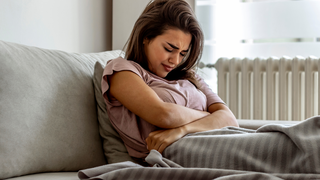
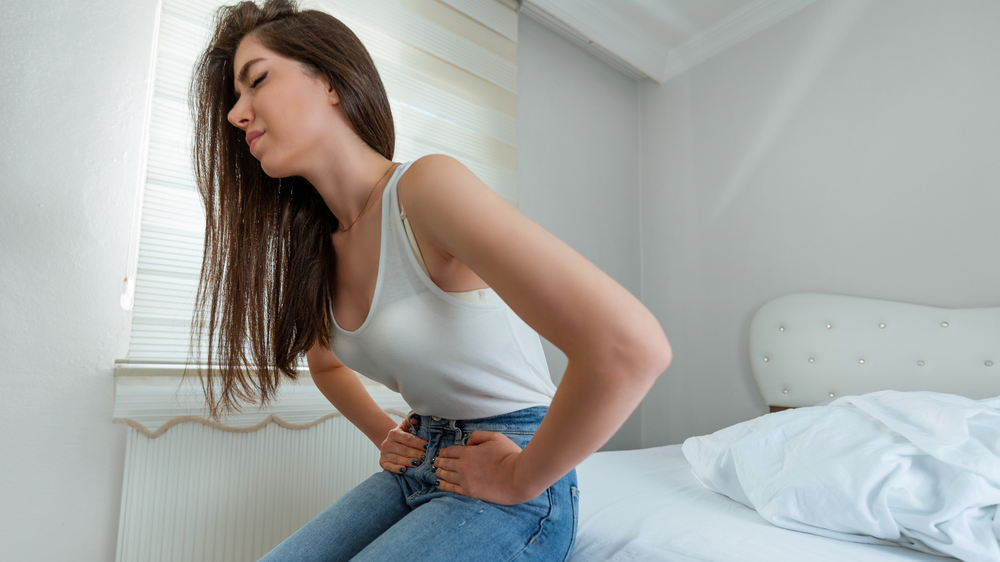
Pelvic pain is the most common and noticeable symptom of endometriosis. It is often much more severe than normal period cramps and may worsen before or during menstruation due to hormonal changes that trigger inflammation. Many people describe it as intense cramping that spreads to the lower back or abdomen. Other common signs include:- Pain during or after sexual intercourse.
- Pain when passing urine or bowel movements, especially during the period.
- Heavy menstrual bleeding or spotting between periods.
- Difficulty getting pregnant.
- Fatigue, bloating, nausea, constipation, or diarrhoea, particularly during menstruation.
How Does Endometriosis Affect Fertility?
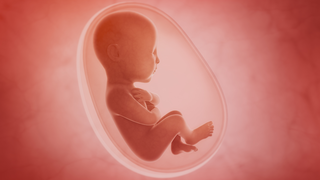
Fertility is one of the biggest concerns associated with endometriosis. The condition is among the leading causes of infertility and affects nearly half of those diagnosed with it. Endometrial tissue growing outside the uterus can interfere with normal reproductive function in several ways. It may block the fallopian tubes, cause scarring, or form cysts on the ovaries that disrupt ovulation.Ongoing inflammation can also damage eggs or sperm or make it harder for a fertilised egg to implant in the uterus. Even mild endometriosis can reduce the chances of conception.
That said, many people with mild to moderate endometriosis are still able to conceive naturally or with medical support.
Fertility outcomes often depend on the stage of the disease:
- Stage I (minimal): Few small implants are present with little or no scar tissue.
- Stage II (mild): A greater number of implants are present, usually covering less than two inches, with no significant scarring.
- Stage III (moderate): Deeper implants may be present along with ovarian cysts. Scar tissue can form around the ovaries or fallopian tubes.
- Stage IV (severe): Extensive implants, large cysts, and dense scarring are seen. Organs such as the uterus, ovaries, fallopian tubes, and rectum may stick together.
How Is Endometriosis Diagnosed?
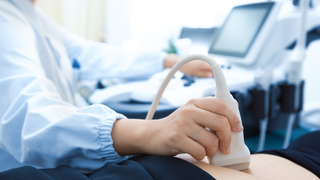
Getting an accurate diagnosis usually begins with a detailed discussion of symptoms and medical history. To understand what is happening internally, imaging tests like ultrasound or MRI are often advised. These do not confirm endometriosis on their own, but help identify signs that point toward it.The only way to confirm endometriosis with certainty is through laparoscopy, which is a minor surgical procedure done under anaesthesia. A small camera inserted through a tiny abdominal cut allows the surgeon to view the pelvis, identify suspicious tissue, take samples for testing, and often remove visible growths during the same procedure.
What Are the Treatment Options for Endometriosis?
Common treatment options for endometriosis include:- Over-the-counter anti-inflammatory medicines, such as ibuprofen to ease pain and inflammation.
- Hormonal treatments that reduce or suppress menstrual cycles and lower oestrogen levels.
- Combined hormonal birth control or progestin-only options in the form of pills, patches, rings, injections, implants, or intrauterine devices to lighten periods and reduce pain.
- Medications that temporarily stop hormone production and pause menstrual cycles.
- Laparoscopic surgery to remove visible endometrial tissue, cysts, adhesions, and scar tissue through small incisions. Even after surgery, endometriosis can return, which is why long-term management is often necessary.
- Hysterectomy is performed when other treatments fail, and pregnancy is no longer desired.
You’re not alone in your journey when trying to conceive. Join our supportive community to connect with others, share experiences, and find encouragement every step of the way.
FAQs on What is Endometriosis? Your Complete Guide to Understanding this Condition
- Can endometriosis affect mental health?
Yes, many people with endometriosis experience stress, anxiety, or low mood when symptoms interfere with daily life. - Can lifestyle changes help manage endometriosis?
Lifestyle changes alone cannot cure the condition, but healthy eating, stress management, and regular movement can help reduce symptom severity.