In this article:
What Does Sexual Health Mean in Week 1 After Birth?
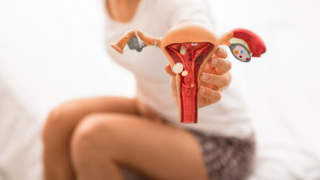
In the first week after delivery, sexual health does not mean starting sexual activity again. Medically and emotionally, your body is not ready for penetration. Instead, sexual health includes healing, preventing infection, adjusting to hormone changes, feeling safe, and communicating respectfully with your partner.After birth, the uterus returns to its original size. Vaginal tissues might be swollen, have stitches, or feel sore. Even after a caesarean, your body is still healing inside. Lochia, or post-birth bleeding, can last 4 to 6 weeks. During this time, the cervix stays a bit open, which raises the risk of infection.
Right now, sexual health means giving your body time to heal, regain balance, and feel safe again.
Why Is Week 1 So Sensitive for Sexual Well-Being?
The first seven days postpartum are marked by dramatic hormonal changes. Oestrogen levels drop sharply, which can cause vaginal dryness, low libido, and mood swings. Oxytocin levels rise, especially during breastfeeding, promoting bonding and emotional sensitivity.Studies show that almost 90% of new mothers have perineal pain in the first week, and about 70% feel fear or worry about future intimacy. If sexual health is ignored now, it can lead to pelvic pain, infections, or emotional distance later on. This week lays the groundwork for long-term comfort and confidence.
Is It Safe to Have Sex in Week 1?
Doctors recommend avoiding penetrative sex during the first week after birth. Most experts in India and around the world suggest waiting at least 6 weeks, or until bleeding has stopped and healing is completed. You have the right to say no to sex without feeling guilty. Resting is not the same as avoiding intimacy; it is part of your recovery.How Can You Care for Genital Health in Week 1?
Gentle hygiene and paying attention to changes are important. Wash your genital area with plain lukewarm water once or twice a day. Do not use internal cleansers or douches, as these can upset the natural balance of bacteria. Practical care tips include:- Change pads every 3–4 hours
- Wear loose cotton underwear.
- Sit on a soft cushion to reduce pressure.
- Use cold compresses for swelling (10 minutes at a time)
What About Desire, Arousal, and Emotional Closeness?
It is normal to have low sexual desire in the first week. Being tired, not getting enough sleep, changes in your body, and caring for your baby can all lower your interest in intercourse. Low desire does not mean you love your partner less or that your relationship is weak.However, emotional intimacy still matters. Holding hands, sharing feelings, or sitting quietly together can maintain connection without the pressure of physical contact. Partners also need reassurance that distance is temporary, not a sign of rejection. Talking openly now can help prevent misunderstandings in the future.\
What Emotional Changes Should You Watch For?
Mood swings, tearfulness, and irritability are common in the first week. Around 50–80% of new parents experience “baby blues”, usually peaking around day 4 or 5. However, warning signs include:- Persistent sadness
- Feeling disconnected from the body
- Fear of touch or closeness
- Intense anxiety or panic
When Should You Contact a Doctor Immediately?
Taking care of yourself early on helps prevent problems and supports your comfort in the future. Seek medical advice if you notice:- Foul-smelling discharge
- Fever above 38°C
- Increasing pain, redness, or swelling
- Heavy bleeding, soaking one pad per hour
- Severe emotional distress or intrusive thoughts
How Can Partners Offer Support in Week 1?
Support from a partner means being patient, helping out, and listening. Helping with chores, night feedings, or baby care can make recovery easier and help you feel emotionally safe.Partners should not pressure, joke about, or set deadlines for sex. Sometimes, being quietly supportive is more helpful than always offering reassurance. Going through recovery together builds trust for future intimacy.
Week 1 Sexual Health Checklist
- Rest and avoid penetrative sex.
- Keep the genital area clean and dry.
- Observe bleeding, pain, and the presence of stitches.
- Communicate boundaries clearly
- Accept low desire as usual.
- Focus on emotional closeness.
- Schedule postnatal follow-up
Whether you’re pregnant, a new mom, or navigating postpartum, you don’t have to do it alone. Join our support group to connect, share, and support one another.
FAQs on Week 1 Sexual Health Tips: Building Strong, Safe, and Sustainable Intimacy
- . Is bleeding after birth normal in week 1, and does it affect sexual health?
Yes, bleeding called lochia is normal for 4 to 6 weeks. In the first week, it is usually bright red and heavy. This shows your body is still healing, so sexual activity should be avoided to prevent infection and help recovery. - Can emotional distance in week 1 affect future intimacy?
Feeling emotionally distant for a while is common due to fatigue and hormonal changes. This does not mean you will have problems with intimacy later. Talking gently, offering reassurance, and sharing caregiving can help you feel close again as you recover.