In this article:
What Does Garbh Sanskar Actually Mean?
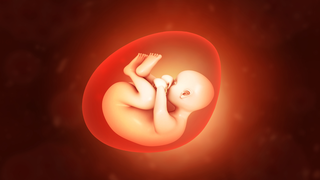
Garbh Sanskar means “educating or nurturing the womb.” “Garbha” refers to “the delicate life formed in the womb through the union of body and soul.” Sanskar means “the process of nurturing the baby with positive thoughts and values.” The focus is on creating a peaceful physical and emotional environment during pregnancy.It is not just about rituals, but about daily habits that help healthy brain and emotional development.
Core elements include:
- Balanced Indian nutrition
- Positive emotional states
- Gentle movement and breathwork
- Adequate sleep and rest
- Reduced stress and fear
- Safe sensory stimulation, such as sound and touch
1. Ritu- Right Time
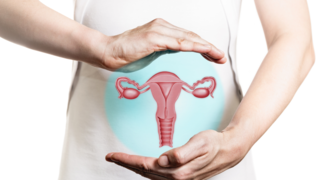
2. Kshetra – Healthy Body
3. Ambu – Right Nutrition
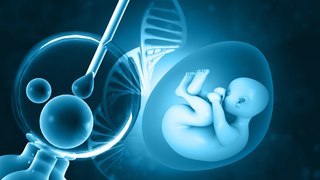
4. Beeja – Healthy sperm and Ovum
Can a Baby Really Sense Thoughts and Emotions?
Yes. Scientific studies show that stress hormones such as cortisol cross the placenta. Persistent stress can affect foetal brain development and emotional regulation. Indian research aligns with global data showing:- Chronic stress increases preterm birth risk by 20–30%.
- Calm emotional states support healthier heart rate patterns in the foetus.
- Repeated stress exposure can influence long-term anxiety responses.
- You do not need to be happy all the time.
- Awareness and recovery from stress matter more than perfection.
- Pause and breathe when overwhelmed.
- Speak kindly to yourself.
- Seek emotional support early.
How Does Nutrition Support Garbh Sanskar?
Nutrition is central to conscious pregnancy. The foetal brain develops rapidly, especially between weeks 12 and 28. Indian dietary recommendations emphasise balance rather than excess.Key nutrients and Indian sources:
- Iron: spinach, jaggery, dates, lentils
- Calcium: ragi, sesame seeds, curd
- Omega-3 fats: walnuts, flaxseeds
- Protein: dal, paneer, curd, soaked nuts
- Folate: green leafy vegetables, citrus fruits
- Eat every 3–4 hours.
- Include all six tastes when possible.
- Drink 2.5–3 litres of water daily.
Avoid herbal supplements, detox drinks, or fasting without medical approval.
Contact a doctor if:
You experience dizziness, persistent nausea, rapid weight loss, or swelling.
Do Sound and Music Really Affect the Baby?
Yes, hearing develops around 18–20 weeks of pregnancy. Sound patterns influence neurological pathways. Gentle, repetitive sounds create familiarity and comfort.Safe sound practices:
- Soft Indian classical music
- Calm chanting or humming
- Talking or reading aloud
- Loud volumes above 65 decibels
- Sudden noise exposure
- Headphones placed directly on the abdomen
- 10–15 minutes daily
- Same time each day
- Calm breathing while listening
How Important Are Sleep and Rest in Garbh Sanskar?
Sleep supports hormonal balance and emotional regulation. Studies show that regularly sleeping fewer than 6 hours increases the risk of gestational complications.Healthy sleep guidelines:
- Aim for 7–9 hours nightly
- Left-side sleeping after 20 weeks
- Short afternoon rest if tired
- Dim lights after sunset
- Avoid screens 60 minutes before bed
- Gentle breathing before sleep
You have persistent insomnia, snoring with breath pauses, or anxiety-driven sleep loss.
Can Gentle Exercise Support Conscious Pregnancy?
Yes. Movement improves blood flow, mood, and digestion. Indian obstetric guidelines recommend 150 minutes per week of moderate-intensity activity, unless restricted.Safe activities include:
- Walking
- Prenatal yoga
- Stretching
- Breathing exercises
- High-impact workouts
- Overheating
- Breath-holding
You feel pain, dizziness, vaginal bleeding, or breathlessness.
How Does Emotional Health Shape the Baby’s Future?
Prenatal emotional health influences stress response systems. Calm pregnancies are associated with:- Better emotional regulation
- Lower stress sensitivity
- Improved sleep patterns post-birth
- Sharing worries openly
- Limiting negative media
- Creating a daily quiet time
Contact a professional if:
You feel persistent sadness, fear, or panic for more than two weeks.
Is Garbh Sanskar religious or medical?
"Garbha Sanskar is not a religious ritual," says Dr. Nutan Pakhare, an Ayurvedic doctor, yoga expert, and Garbha Sanskar coach with more than 20 years of experience in women's health. Instead, it is a method of careful prenatal care, backed by science and based on close observation. It is not meant to replace prenatal care, ultrasounds, or other procedures recommended by doctors. Instead, it is intended to be used along with those procedures. She also stresses the importance of combining medical advice with Garbha Sanskar routines.What to Do Next: Conscious Pregnancy Checklist
- Book regular antenatal visits
- Eat balanced Indian meals daily
- Walk or stretch gently
- Sleep 7–9 hours
- Practise calm breathing
- Limit stress triggers
- Ask for help when needed
Garbh Sanskar is not about control; it is about connection. Conscious pregnancy means listening to your body, calming your mind, and making informed choices. With gentle awareness, you create a nurturing environment that supports emotional security, brain development, and long-term health, starting before birth and lasting a lifetime.
Whether you’re pregnant, a new mom, or navigating postpartum, you don’t have to do it alone. Join our support group to connect, share, and support one another.
FAQs on Garbh Sanskar Explained: A Practical Guide to Conscious Pregnancy and Lifelong Wellbeing
- Can Garbh Sanskar be practised in modern urban lifestyles?
Yes. Garbh Sanskar adapts easily to busy routines. Simple practices like mindful eating, calm breathing, gentle walking, and emotional awareness fit into modern Indian lifestyles. It focuses on consistency, not elaborate rituals, and works alongside medical antenatal care without conflict. - Is Garbh Sanskar safe during high-risk pregnancies?
Garbh Sanskar practices must be adjusted for high-risk pregnancies. Emotional well-being, rest, and nutrition remain essential, but physical activities and routines should follow medical advice. Always consult an obstetrician before starting yoga, breathing exercises, or dietary changes if you have a high-risk condition.